Understanding the Munchkin Breed
Munchkin cats, known for their short legs and playful demeanor, are beloved companions. These unique felines are a result of a natural genetic mutation, which has led to their defining characteristic. While their adorable appearance and friendly personalities make them a favorite among cat lovers, potential owners should be aware of specific health concerns that can affect this breed.
Spinal Issues
One of the most notable health problems in Munchkin cats is related to their spine. The gene responsible for their short legs can also impact spinal development, leading to conditions such as lordosis and scoliosis. Lordosis refers to an excessive curvature of the spine, which can cause discomfort and affect mobility, while scoliosis is a lateral curvature of the spine. Regular veterinary check-ups are crucial to monitor any spinal irregularities.
Joint Problems
Munchkins may also suffer from joint issues due to the way their bodies are structured. Osteoarthritis is a common ailment that can develop as they age, affecting their overall mobility. It's essential to provide a comfortable living environment and consider joint supplements if your Munchkin shows signs of stiffness or discomfort after activity.
Heart Disease
Hypertrophic cardiomyopathy (HCM) is a genetic heart condition that can affect Munchkin cats. This disease causes the heart muscle to thicken, which can lead to heart failure. Regular veterinary check-ups and echocardiograms can help in early detection, allowing for better management of the condition. Maintaining a healthy diet is also vital in supporting heart health.
Dental Problems
Munchkin cats are also prone to dental issues, including periodontal disease and tooth resorption. Regular dental care, including brushing your cat's teeth and providing dental treats, can help maintain their oral health. If you notice bad breath or difficulty eating, consult your veterinarian for an examination.
Obesity Risks
Due to their short legs and playful nature, Munchkin cats can sometimes become overweight, which poses additional health risks. Obesity can exacerbate existing health issues like joint and heart problems. Ensuring your Munchkin has a balanced diet and regular playtime can help keep them at a healthy weight.
Eye Conditions
Munchkins can be susceptible to various eye conditions, including cataracts and retinal issues. Regular eye examinations by a veterinarian can help catch these potential problems early on. If you notice any changes in your cat's vision, such as bumping into objects or changes in pupil size, consult a vet immediately.
Regular Health Screenings
Given the potential health issues Munchkin cats face, regular health screenings are critical. Schedule annual veterinary visits to ensure your cat's overall health is monitored, and discuss any concerns you may have regarding your Munchkin's unique needs.
Healthy Diet for Munchkin Cats
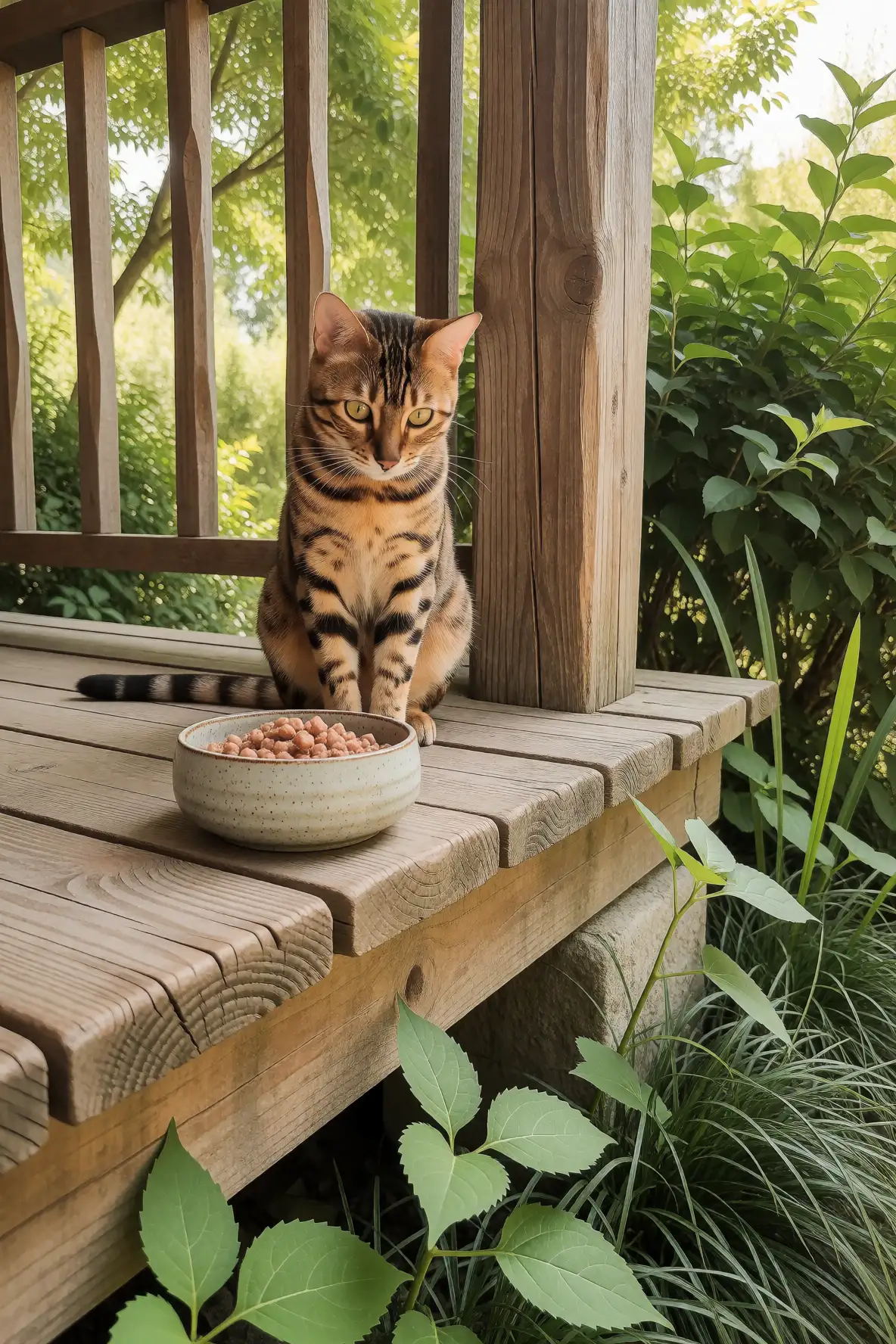
A well-balanced diet tailored to the needs of Munchkin cats can significantly impact their overall health. Focus on high-quality cat food that provides essential nutrients without excessive calories. Consult your veterinarian for recommendations that suit your cat’s specific health profile.
Exercise and Play
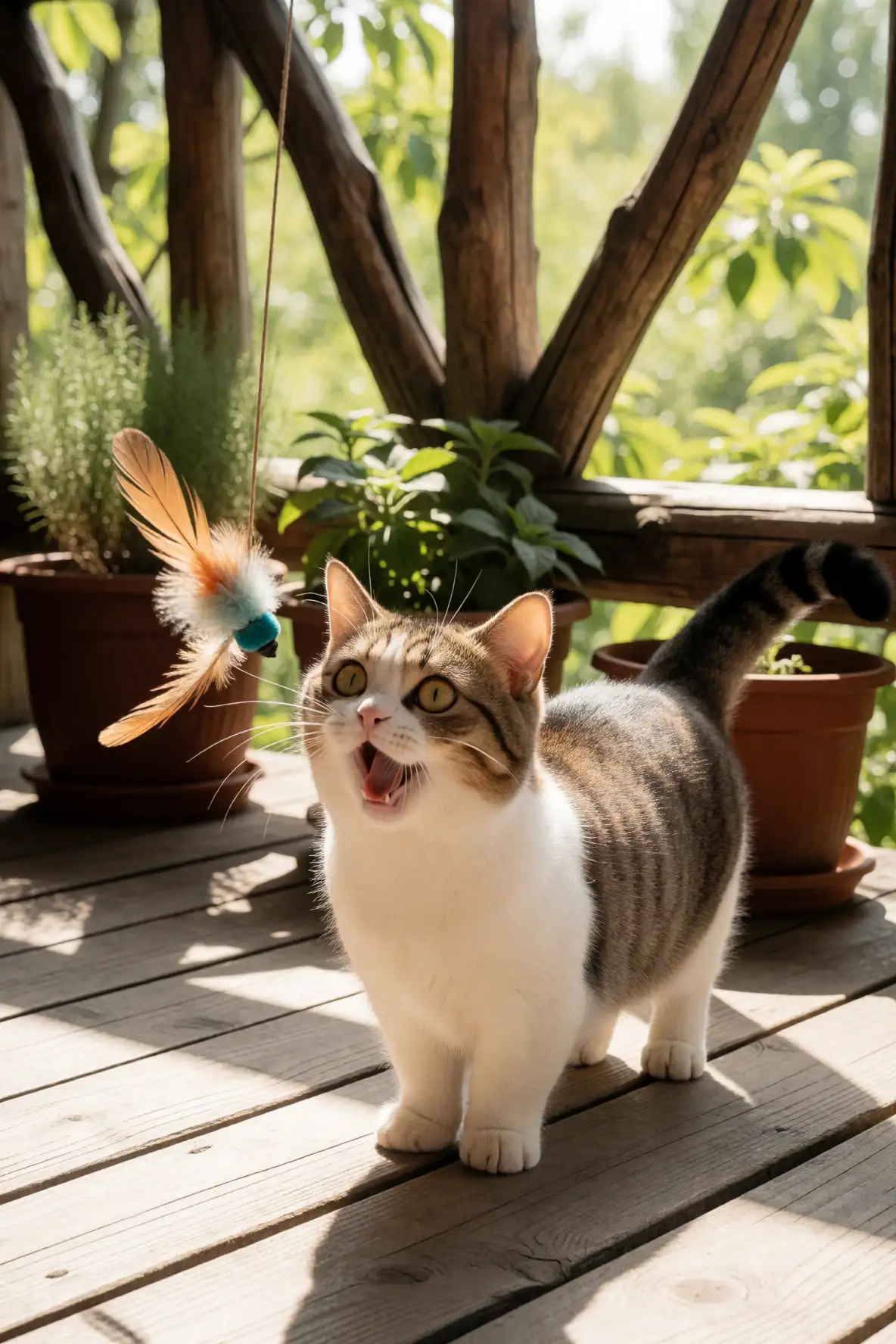
Munchkins are known for their playful nature, making regular exercise essential for their physical and mental well-being. Engage your cat with interactive toys and climbing structures that accommodate their unique body shape. Keeping your Munchkin active helps prevent obesity and promotes a healthy lifestyle.
Grooming Needs
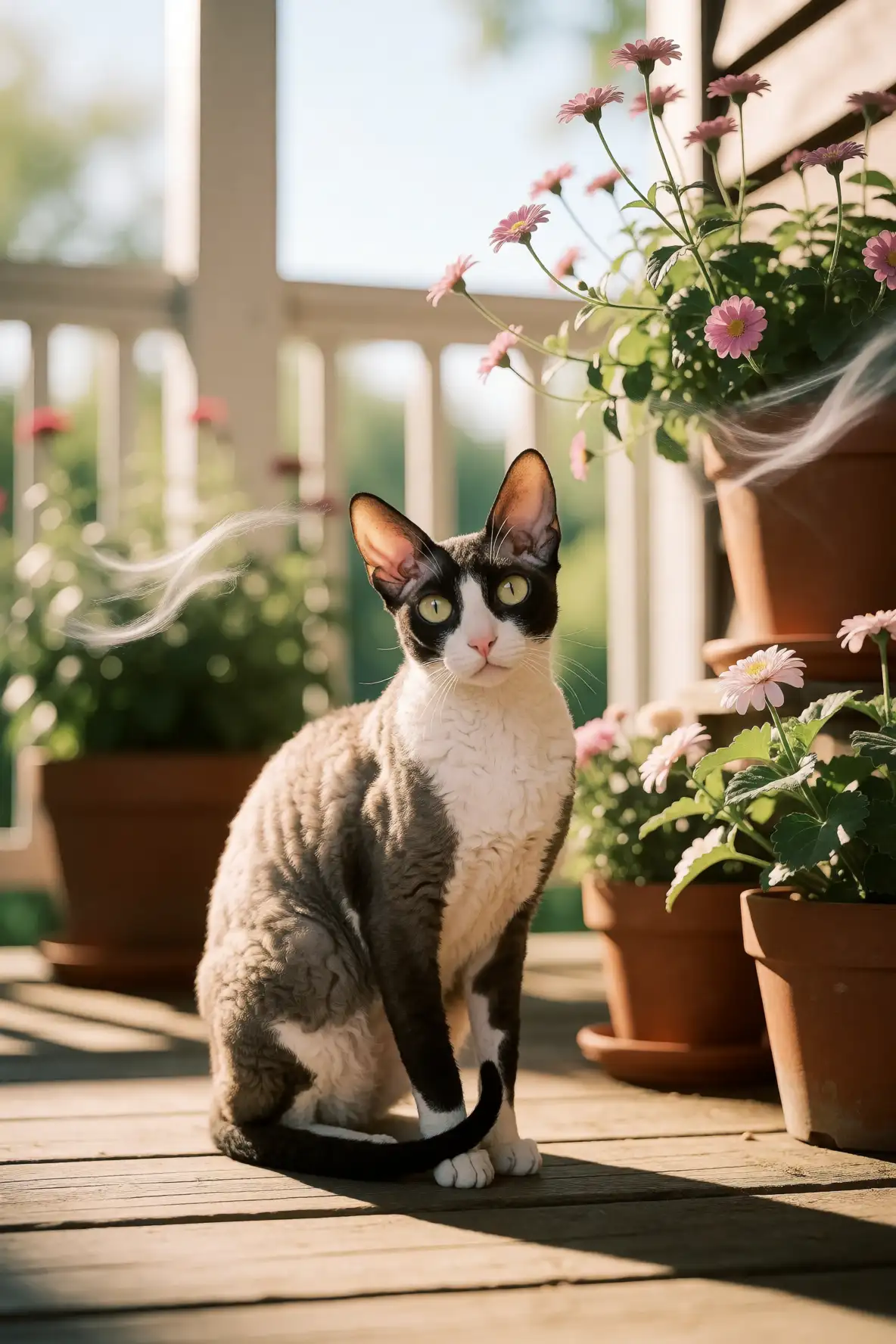
Depending on their coat type, grooming needs can vary in Munchkin cats. Regular brushing can prevent matting and reduce shedding, especially in long-haired varieties. Pay attention to their ears and teeth as part of their grooming routine, ensuring they remain clean and healthy.
Finding a Reputable Breeder
Choosing a responsible breeder can significantly reduce the risk of health problems in Munchkin cats. Look for breeders who conduct health screenings and provide a wellness guarantee. Consider browsing available kittens or breeders on CatHatch to find a healthy companion.
Creating a Safe Home Environment
To keep your Munchkin cat healthy, ensure your home is safe and free of hazards. Secure cords, toxic plants, and small objects that could be ingested. Providing a safe and stimulating environment will contribute to your cat's well-being and happiness.
Conclusion
Being aware of common health problems in Munchkin cats is crucial for any owner. With the right preventive care and attention, you can help your Munchkin live a long and healthy life. Regular veterinary visits and a loving home will go a long way in maintaining their unique charm.
Frequently Asked Questions
What are the most common health issues in Munchkin cats?
Munchkin cats are prone to spinal issues, joint problems, heart disease, dental issues, obesity, and eye conditions. Regular veterinary check-ups can help monitor these potential problems.
How can I keep my Munchkin cat healthy?
Providing a balanced diet, regular exercise, and routine vet visits are key to keeping your Munchkin healthy. Engaging them in play and maintaining a safe environment also contribute to their well-being.
Do Munchkin cats have longer life spans?
While Munchkin cats can live long lives, they may face specific health challenges that could impact longevity. With proper care, they can live an average life span of 12 to 15 years.
Is it safe to breed Munchkin cats?
Breeding Munchkin cats requires careful consideration due to their genetic predispositions to health issues. Responsible breeding practices are essential to minimize health risks.
Where can I find Munchkin kittens?
To find Munchkin kittens, consider browsing available options on CatHatch, where ethical breeders list their kittens for adoption.