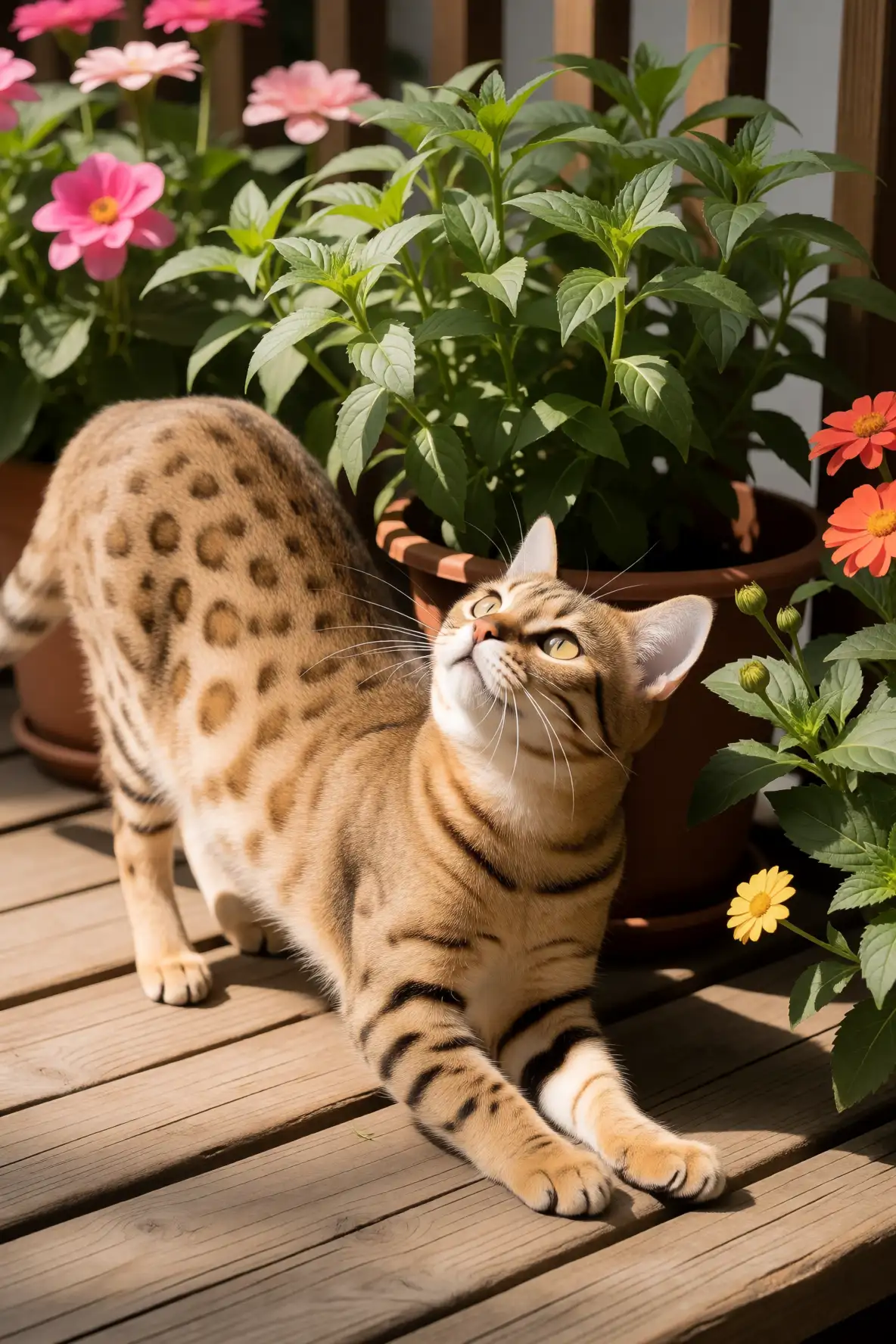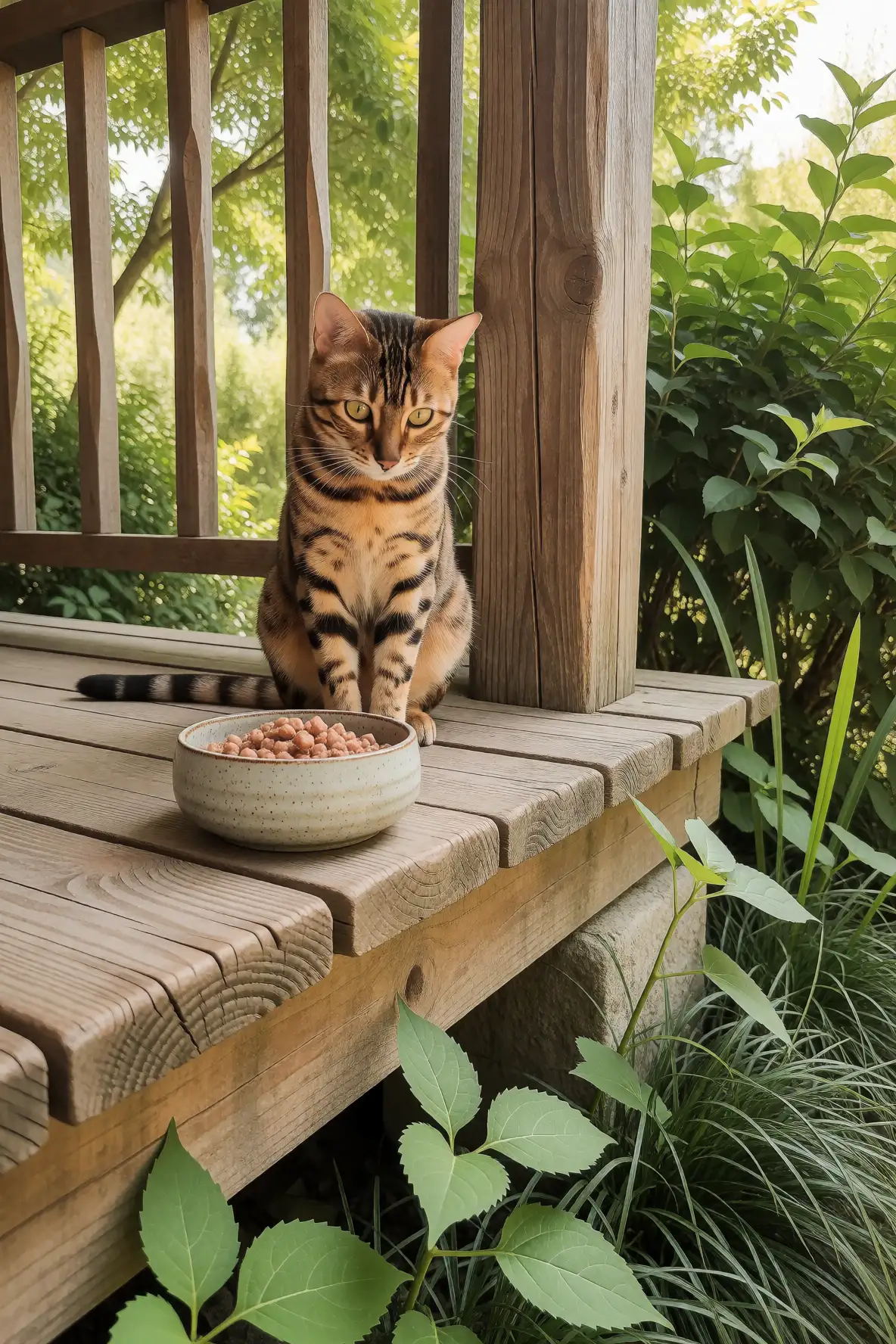
Understanding the Cornish Rex Diet
The Cornish Rex is a unique breed known for its soft, curly coat and playful personality. A well-balanced diet is essential for these energetic cats to maintain their health, particularly due to their higher metabolism. Providing the right nutrition tailored to their age and weight will ensure they thrive in their active lifestyles.
Nutritional Needs for Cornish Rex Cats
Cornish Rex cats require a diet rich in protein, healthy fats, and essential vitamins and minerals. High-quality animal protein is crucial, as it supports muscle development and overall health. Look for cat food with meat as the primary ingredient, such as chicken, turkey, or fish.
Feeding Kittens (0-6 Months)
During the kitten stage, Cornish Rex cats need a diet that supports their rapid growth and development. Choose a kitten formula that contains 30-40% protein and is rich in fat to provide the energy they need. Wet food can also be introduced as it helps with hydration. Aim to feed them small, frequent meals throughout the day, about 4 to 5 times.
Feeding Young Adults (6 Months to 2 Years)
As your Cornish Rex matures, their dietary needs will change. Transition to a high-quality adult cat food that maintains a protein content of around 25-35%. Continue feeding them in small portions but reduce the frequency to two to three meals a day. Monitor their weight closely to ensure they are not gaining too much due to their playful nature.
Feeding Adult Cornish Rex Cats (2-8 Years)
For adult Cornish Rex cats, maintain a consistent diet with high protein and moderate fat content. It's crucial to adjust their food intake based on their weight and activity level. Regular weigh-ins can help you gauge if you need to increase or decrease their portions. Most adult cats should be fed twice a day.
Feeding Senior Cornish Rex Cats (8+ Years)
Senior Cornish Rex cats often have different dietary requirements to cater to their slowing metabolism and possible health issues. Opt for senior cat formulas that are lower in calories but still provide adequate protein to maintain muscle mass. It's also essential to include fiber in their diet to assist with digestion. Consult with your veterinarian for specific recommendations based on their health status.
Portion Control
Portion control is vital for Cornish Rex cats, as they can easily overeat, leading to obesity. Follow the feeding guidelines on the cat food packaging, but adjust based on your cat's specific needs and activity level. Using a measuring cup can help ensure you're providing the correct portion sizes.
Hydration is Key
Hydration is often overlooked but is crucial for the health of your Cornish Rex. Always provide fresh, clean water. Consider incorporating wet food into their diet to increase water intake, especially during hot weather or if your cat is less inclined to drink water.
Avoiding Common Foods
Some foods are harmful to Cornish Rex cats and should be avoided entirely. These include chocolate, onions, garlic, grapes, and raisins. Always be cautious when introducing new foods and consult your veterinarian if unsure.
Supplements for Cornish Rex Cats
While a balanced diet should provide all necessary nutrients, some Cornish Rex cats may benefit from supplements, especially as they age. Omega fatty acids can support skin and coat health, while glucosamine may help joint health. Always consult your vet before adding any supplements to their diet.
Monitoring Weight and Health
Regular vet check-ups are essential for monitoring your Cornish Rex's weight and overall health. Discuss any concerns about their diet, feeding routines, or any signs of health issues. Keeping a close watch on their weight will help you maintain their ideal body condition.
Transitioning to New Foods
If you decide to switch your Cornish Rex to a new type of food, do it gradually. Start by mixing the new food with their current food over 7-10 days, slowly increasing the proportion of new food. This helps prevent digestive upset.
Conclusion
Feeding your Cornish Rex the right diet based on their age and weight is crucial for their health and happiness. By providing a balanced diet rich in protein and hydration, you can support their playful nature and keep them thriving. Don't forget, you can browse available kittens or ethical breeders on CatHatch to find your perfect feline companion!
Frequently Asked Questions
What is the best food for Cornish Rex cats?
The best food for Cornish Rex cats is high-quality cat food that is rich in animal protein, like chicken or fish. Look for formulas that are appropriate for their age and health status.
How much should I feed my Cornish Rex cat?
The amount you should feed your Cornish Rex depends on their age, weight, and activity level. Generally, adult cats should have two meals a day with portion sizes according to the food packaging guidelines.
Can Cornish Rex cats eat wet food?
Yes, wet food can be beneficial for Cornish Rex cats as it helps with hydration and is often more appealing to them. It's a great addition to a balanced diet.
Are there special dietary considerations for senior Cornish Rex cats?
Yes, senior Cornish Rex cats may require lower calorie diets with high protein and fiber content to support their health and maintain their weight. Consult your vet for tailored advice.
How can I tell if my Cornish Rex cat is overweight?
To determine if your Cornish Rex is overweight, you can check for a visible waistline when viewed from above and feel for ribs without excessive fat covering. Regular vet visits are also essential for accurate weight assessments.