Best Diet for Exotic Cats: Feeding Guide by Age & Weight
Understanding the Dietary Needs of Exotic Cats
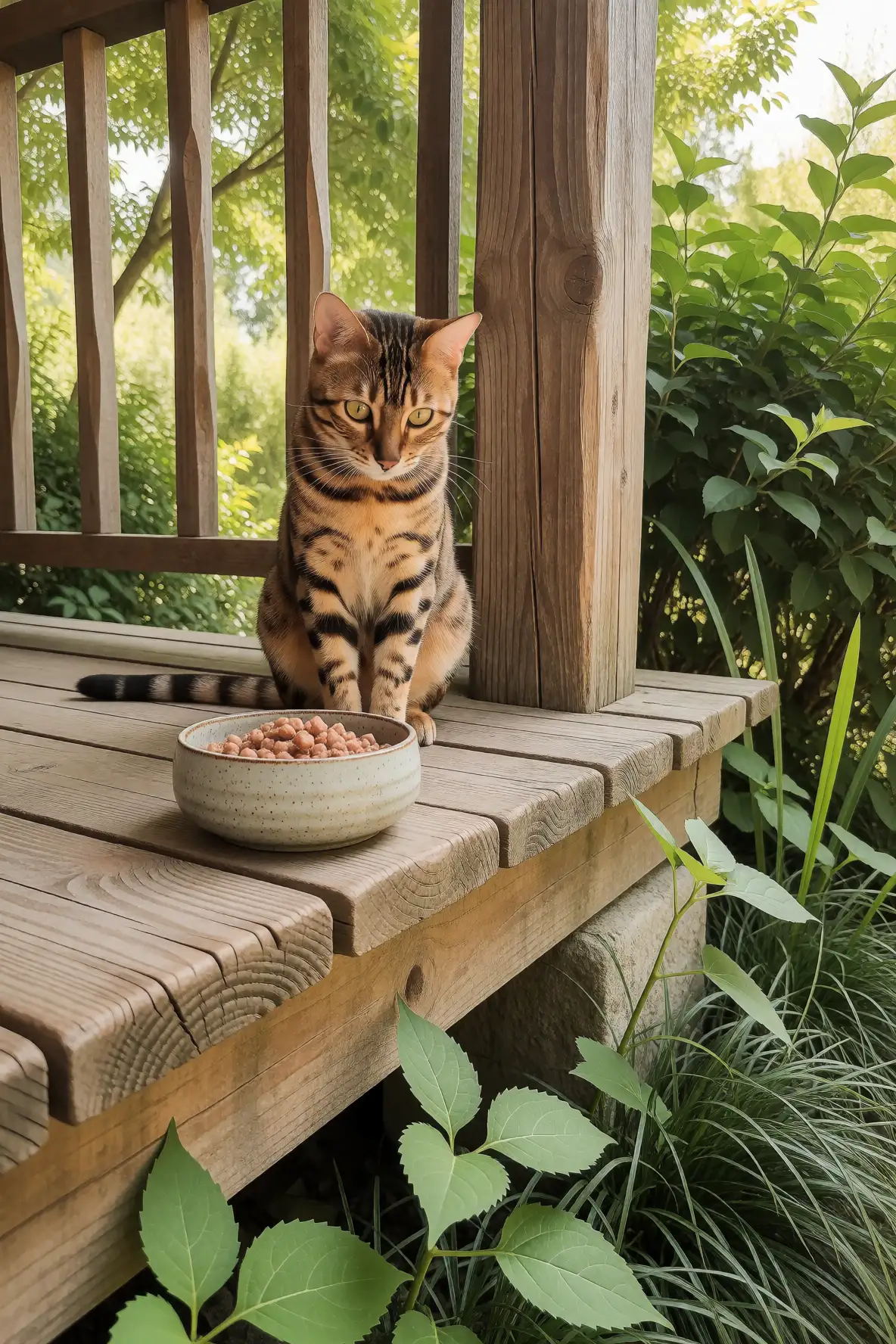
Exotic cats, such as Bengals, Savannahs, and Chausies, have unique dietary needs that differ from domestic cats. Their diets should mimic their wild ancestors, focusing on high protein, moderate fat, and low carbohydrates. Understanding these needs is crucial for their overall health and well-being.
These cats are often larger and more active than traditional breeds, requiring a diet that supports their energy levels and helps maintain a healthy weight. This guide will help you determine the best diet for your exotic cat based on their age and weight.
Dietary Guidelines for Kittens (0-6 Months)
Kittens, especially exotic breeds, need nutrient-dense food to support their rapid growth and development. A high-protein diet, consisting of at least 30-40% protein, is essential during this stage. Look for premium kitten food that lists meat as the first ingredient.
Feeding small, multiple meals throughout the day is ideal. Ensure the food is rich in DHA, an omega-3 fatty acid that promotes brain and eye development. You can browse available kittens on CatHatch to find your perfect companion.
Young Adults (6 Months - 2 Years)
As your exotic cat matures, their nutritional needs will shift. Young adults should continue to receive a high-protein diet, but the percentage may decrease to about 25-30%. It's important to monitor their weight, as exotic cats can become overweight if not properly managed.
Incorporate a mix of wet and dry food to maintain hydration and dental health. Regular feeding schedules are beneficial during this phase, and always provide access to fresh water. Consider supplements with vitamins and minerals to support their immune system.
Adult Exotic Cats (2 Years and Older)
Adult exotic cats require a balanced diet tailored to their activity levels and weight. For active cats, maintain a protein-rich diet but adjust fat content accordingly. Less active cats may benefit from reduced fat to avoid weight gain.
Look for quality food specifically formulated for adult cats, ensuring it contains balanced nutrition without fillers. Regularly assess their body condition score, adjusting food portions as necessary to keep them in optimal health.
Weight Management for Exotic Cats
Maintaining a healthy weight is vital for the longevity of exotic cats. Obesity can lead to several health issues, including diabetes and joint problems. To manage weight, monitor caloric intake based on their activity level and adjust feeding accordingly.
Consider incorporating regular play sessions and interactive toys to encourage exercise. If your cat is overweight, consult with a veterinarian to develop a proper weight management plan.
Special Considerations for Pregnant and Nursing Cats
Pregnant and nursing exotic cats have increased nutritional needs. They require a calorie-dense diet to support their growing kittens. A high-protein, high-fat diet is essential during this time, with some experts suggesting feeding kitten formula food to nursing mothers for additional calories.
Ensure they have access to fresh water at all times, as hydration is crucial for lactating cats. Regular vet check-ups during this period can help monitor health and nutrition.
Homemade Diet: Pros and Cons
While some cat owners opt for homemade diets for their exotic cats, it’s essential to do so carefully. Homemade diets can provide great variety and may align closely with natural feeding habits. However, they often require careful planning to ensure all essential nutrients are included.
Consult with a veterinarian or a pet nutritionist before switching to a homemade diet to avoid deficiencies. If you’re considering this route, ensure it mimics the balanced diet they would receive in the wild.
Popular Commercial Diet Options
There are several reputable brands that offer specialized diets for exotic cats. Look for products specifically designed for breeds such as Bengals or Savannahs, as these often contain higher protein and fat levels to meet their needs.
Brands like Royal Canin, Hill’s Science Diet, and Wellness are known for their quality ingredients and nutrient balance. Always read labels to ensure the food meets AAFCO standards for complete and balanced nutrition.
Feeding Frequency and Portion Control
Feeding frequency can vary based on age and weight. Kittens should be fed three to four times a day, while adults typically thrive on two meals. Portion control is essential; refer to food packaging for guidelines based on your cat’s weight.
Using a measuring cup can help ensure accurate portions, preventing overfeeding. Additionally, consider using puzzle feeders to make mealtime more engaging and stimulating.
Hydration Needs for Exotic Cats
Hydration plays a critical role in your exotic cat's health. Ensure they have access to fresh, clean water at all times. Exotic cats can sometimes be less inclined to drink enough water, particularly if they eat dry food.
Incorporating wet food into their diet can help increase moisture intake. Additionally, consider using a pet water fountain, which can encourage more drinking due to the moving water.
Monitoring Your Cat's Health
Regular vet visits are key to monitoring your exotic cat's health, particularly regarding diet and weight management. Keep an eye on their body condition and any changes in behavior or eating habits.
Veterinarians can provide tailored advice on diet and nutrition, helping you make informed choices for your pet's well-being. Make sure to also keep an eye on their dental health, as it can impact their overall health.
Conclusion: The Path to a Healthy Diet
Feeding your exotic cat a balanced, nutritious diet is essential for their overall health and well-being. By considering their age, weight, and specific needs, you can create a eating plan that supports their active lifestyle. Remember to consult with a veterinarian for personalized dietary recommendations.
Explore more about feeding and caring for exotic cats, and check out our kittens available on CatHatch.
Frequently Asked Questions
What is the best diet for exotic cats?
The best diet for exotic cats consists of high-quality protein, moderate fat, and low carbohydrates. Look for premium cat food that mimics their natural diet.
How often should I feed my exotic cat?
Kittens should be fed three to four times a day, while adult exotic cats typically do well with two meals daily. Adjust portions based on their weight and activity level.
Can I feed my exotic cat homemade food?
Yes, but homemade diets require careful planning to ensure they receive all essential nutrients. Consult with a veterinarian or pet nutritionist before starting a homemade diet.
How do I manage my exotic cat's weight?
Monitor their caloric intake based on activity levels, provide regular exercise, and consult with a veterinarian for tailored weight management strategies.
Are there specific foods to avoid for exotic cats?
Avoid feeding your exotic cat foods high in carbohydrates, fillers, and artificial additives. These can lead to weight gain and health issues.
Explore These Breeds
Ready to Find Your Kitten?
Browse available kittens from verified breeders across the USA.