Understanding the Cheetoh Breed
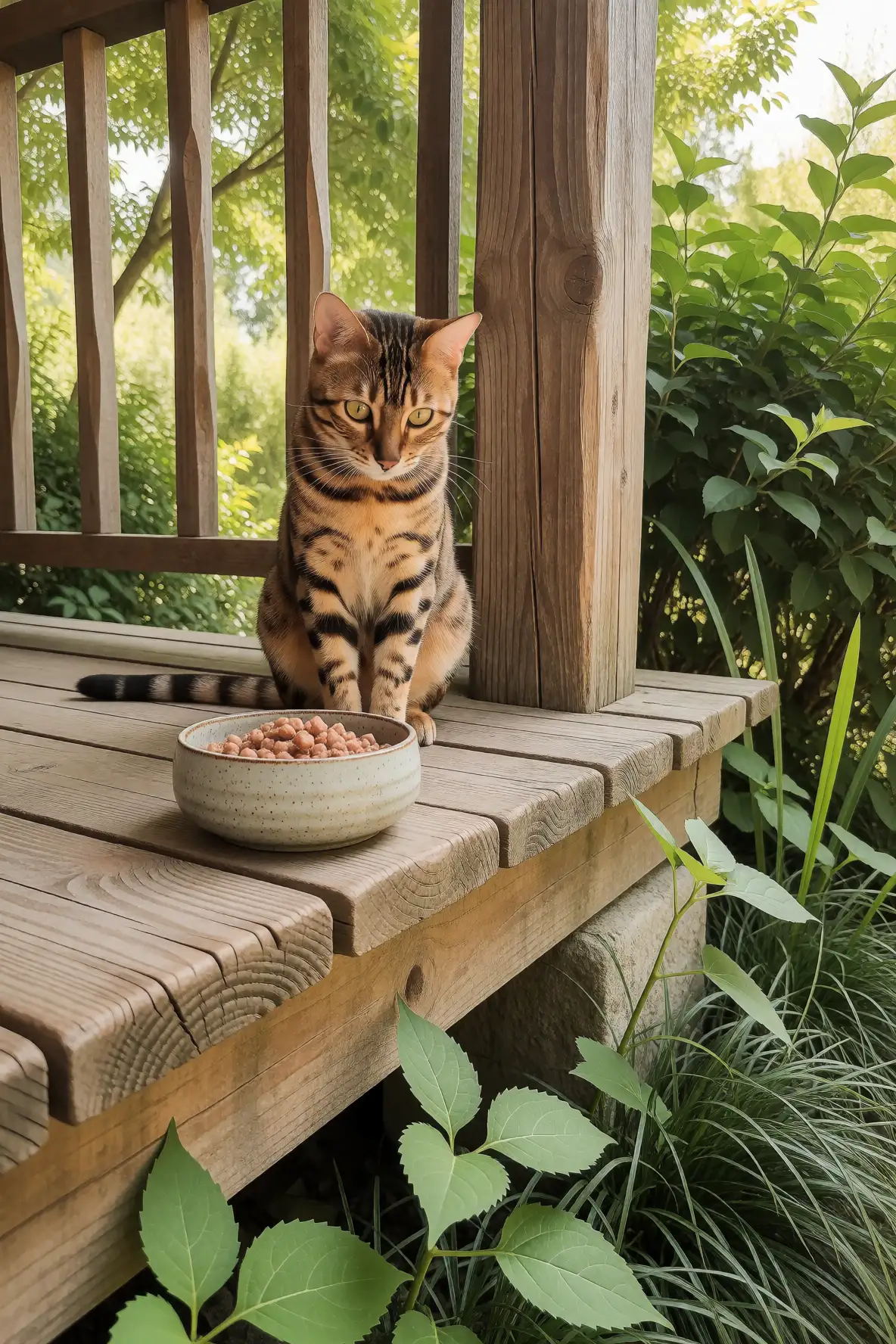
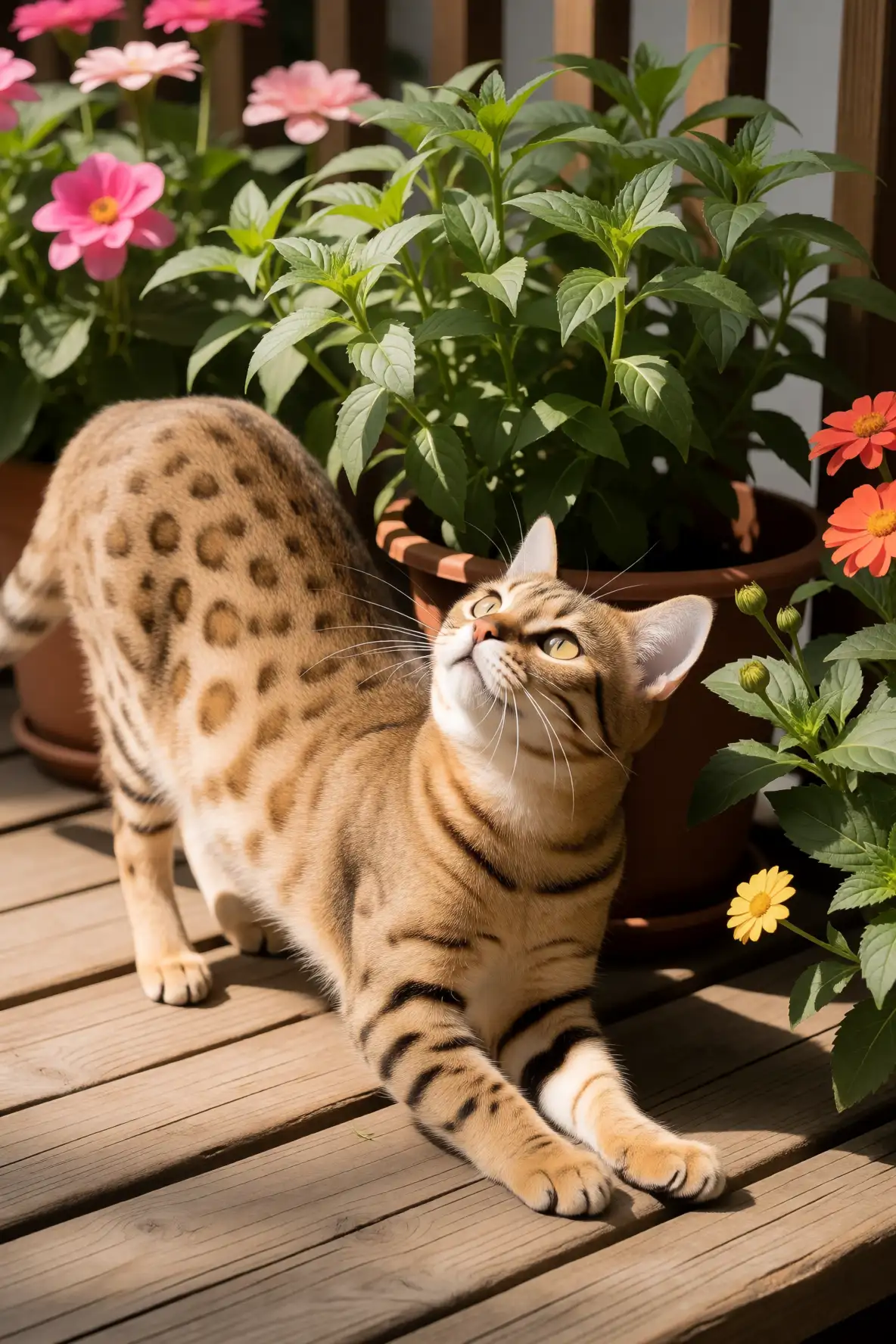
The Cheetoh cat is a unique crossbreed, known for its striking appearance that resembles a wild cheetah. With a muscular build, these cats typically weigh between 8 to 15 pounds. Their short coat is soft and spotted, which can vary in color from golden to rich brown. Understanding the breed's specific traits is key to determining if your Cheetoh is at a healthy weight.
Signs of an Ideal Weight
To determine if your Cheetoh is at an ideal weight, you should be able to feel their ribs with slight pressure but not see them prominently. Additionally, a noticeable waistline when viewed from above and a tucked belly are good indicators of a healthy weight. Regularly checking their weight and condition will help keep them healthy and active.
Common Weight Issues in Cheetohs
Cheetohs can face both weight gain and loss issues, often influenced by diet, exercise, and genetics. Overweight Cheetohs may exhibit lethargy, have difficulty grooming, or experience mobility issues. Conversely, underweight Cheetohs may have a visible ribcage and lack energy. Addressing these concerns through proper care is crucial.
Factors Influencing Weight
Several factors can influence your Cheetoh's weight, including age, activity level, and diet. Younger Cheetohs tend to have higher energy levels and may require more calories, while older cats may be less active and need fewer calories. Understanding these dynamics can help you maintain a healthy weight for your pet.
Feeding Guidelines
It’s essential to provide your Cheetoh with a balanced diet that includes high-quality protein and fat. The general guideline for feeding adult Cheetohs is about 200-300 calories per day, depending on their energy levels. Consult with your veterinarian for personalized feeding recommendations based on their weight and health needs.
Hydration Matters
Water intake is just as important as food. Ensure your Cheetoh has access to fresh water at all times. Adequate hydration can help maintain a healthy weight and prevent various health issues. Cats often prefer running water, so consider a cat water fountain to encourage drinking.
Exercise and Playtime
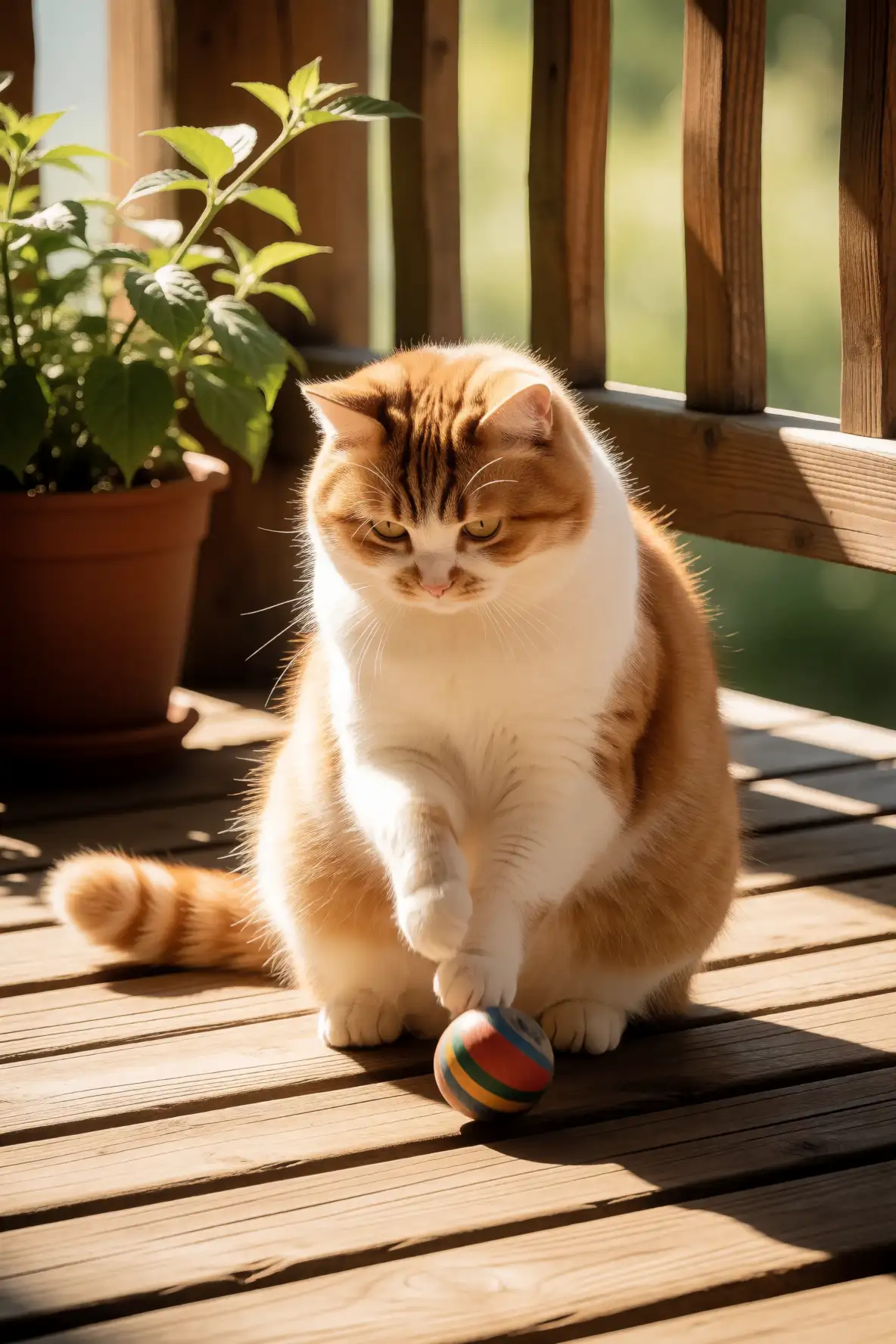
Regular exercise is crucial for maintaining a healthy weight. Cheetohs are playful and intelligent cats that require interactive play sessions. Aim for at least 20-30 minutes of play every day. Engaging them with toys, laser pointers, or even interactive games can help burn off excess calories while strengthening your bond.
Routine Vet Checkups
Regular veterinary checkups are essential for monitoring your Cheetoh’s weight and overall health. Your veterinarian can provide guidance on diet and exercise tailored to your cat's specific needs. They may also conduct tests to rule out any underlying medical issues affecting weight.
Weighing Your Cheetoh
To keep track of your Cheetoh's weight, consider weighing them at home using a digital scale. You can weigh yourself first, then weigh yourself holding your cat, and subtract the two weights. This simple method allows you to monitor their weight regularly and identify any changes early.
Making Adjustments
If you notice your Cheetoh is over or underweight, consult your veterinarian for an appropriate adjustment plan. They may recommend dietary changes, portion control, or increased exercise. Making gradual changes is important to avoid stress and ensure your cat adapts well.
Behavioral Changes to Watch For
Changes in your Cheetoh's behavior can be an indicator of weight issues. If they become more playful or lethargic, or if their eating habits change significantly, it may be time to evaluate their weight. Keeping an eye on these behavioral signs can help you catch weight-related issues early.
Creating a Weight Management Plan
Developing a weight management plan for your Cheetoh can help keep them healthy. Work with your vet to set realistic goals for weight loss or gain, and create a schedule for regular exercise and feeding times. Consistency is key in achieving and maintaining a healthy weight.
Understanding the Risks of Obesity
Obesity in cats can lead to several serious health problems, including diabetes, arthritis, and heart disease. By ensuring your Cheetoh stays within a healthy weight range, you can greatly reduce the risks associated with obesity and enhance their quality of life.
Health Risks of Being Underweight
Underweight Cheetohs may also face health risks, including weakened immunity and nutritional deficiencies. Ensuring they receive a balanced diet and proper care is essential to help them regain a healthy weight and maintain their overall well-being.
Monitoring Progress
Keep a record of your Cheetoh's weight and any changes in their diet or activity level. This can help you and your veterinarian assess progress and make necessary adjustments to their care plan. Celebrate small victories along the way to encourage a healthier lifestyle!
Frequently Asked Questions
How can I tell if my Cheetoh is overweight?
You can determine if your Cheetoh is overweight by checking their body condition score. Look for a noticeable waistline, easily felt ribs, and an overall healthy appearance. If they have a round belly and difficulty grooming, they may be overweight.
What should I feed my Cheetoh to maintain a healthy weight?
A balanced diet rich in high-quality protein and fat is essential for maintaining your Cheetoh's weight. Consult your vet for specific recommendations based on their lifestyle and weight.
How much exercise does my Cheetoh need?
Cheetohs require at least 20-30 minutes of playtime daily. Incorporate interactive toys and activities to keep them engaged and promote healthy weight management.
Can I use treats while managing my Cheetoh's weight?
Yes, but moderation is key. Choose healthy, low-calorie treats, and account for their calorie intake in their overall daily diet to prevent weight gain.
What are the health risks of having an overweight Cheetoh?
Overweight Cheetohs are at risk for several health issues, including diabetes, arthritis, and heart disease. Maintaining a healthy weight is crucial for their long-term health.
What should I do if my Cheetoh is underweight?
If your Cheetoh is underweight, consult your veterinarian for a tailored plan that may include dietary changes and increased feeding frequency to help them regain a healthy weight.