Understanding American Shorthair Health
The American Shorthair is a beloved breed known for its robustness and friendly disposition. However, like all breeds, they are prone to specific health issues that owners should be aware of to ensure their feline friends lead long, healthy lives. Addressing these common health problems early can make a significant difference in your cat's quality of life.
Obesity
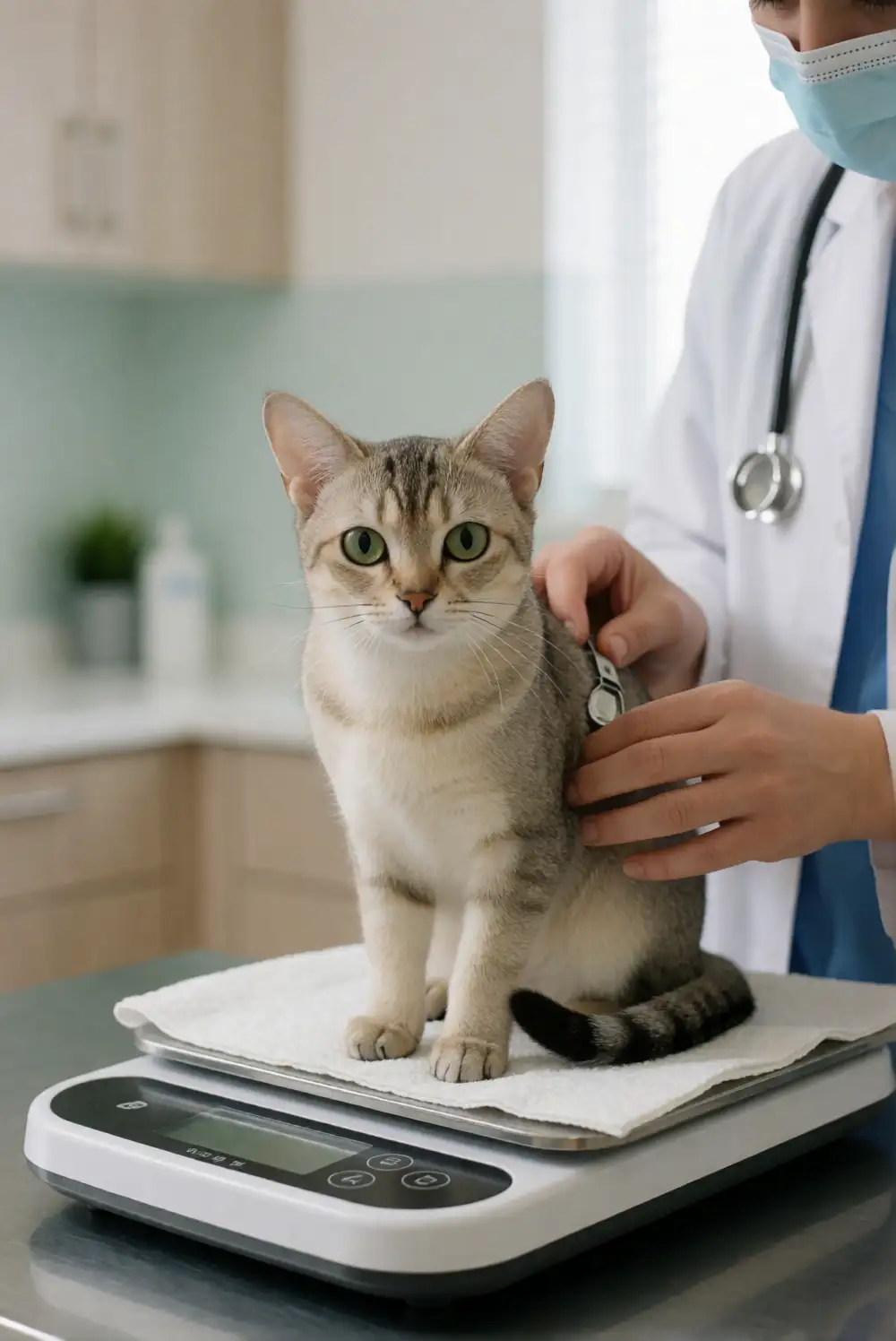
Obesity is a prevalent issue in American Shorthairs due to their love of food and relatively sedate lifestyle. This breed has a tendency to gain weight if their diet and exercise are not monitored. Obesity can lead to numerous health complications, including diabetes, arthritis, and heart disease.
To prevent obesity, ensure that your American Shorthair receives a balanced diet and regular exercise. Engaging them in playtime and providing interactive toys can help keep them active and healthy.
Hypertrophic Cardiomyopathy (HCM)
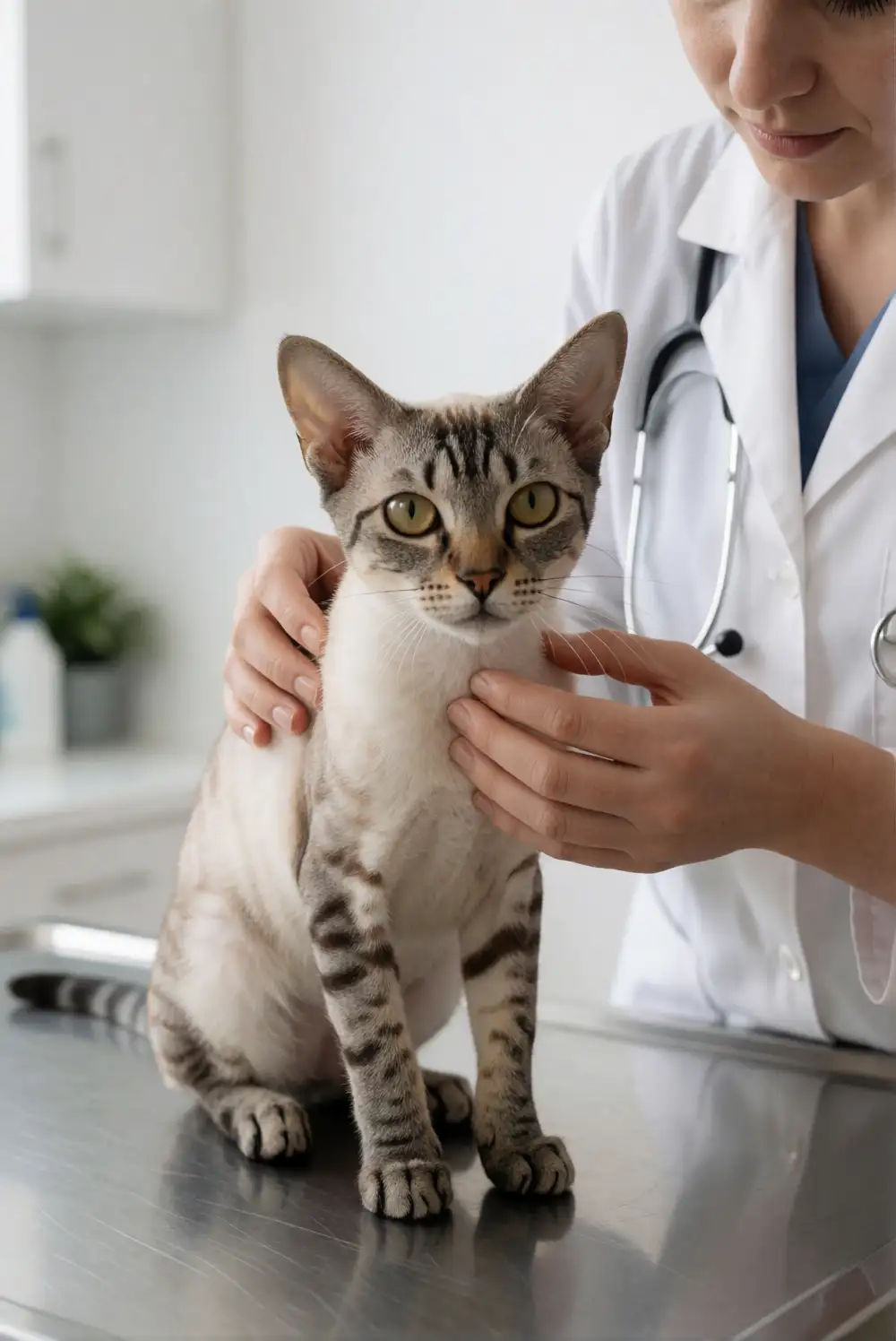
Hypertrophic Cardiomyopathy is a genetic heart condition that affects many cat breeds, including the American Shorthair. This condition causes the heart muscles to thicken, which can lead to heart failure. Symptoms may not be apparent until the condition is severe, so regular vet check-ups are crucial.
To monitor for HCM, schedule annual heart assessments with your veterinarian, especially if your cat shows signs of lethargy or difficulty breathing.
Dental Disease
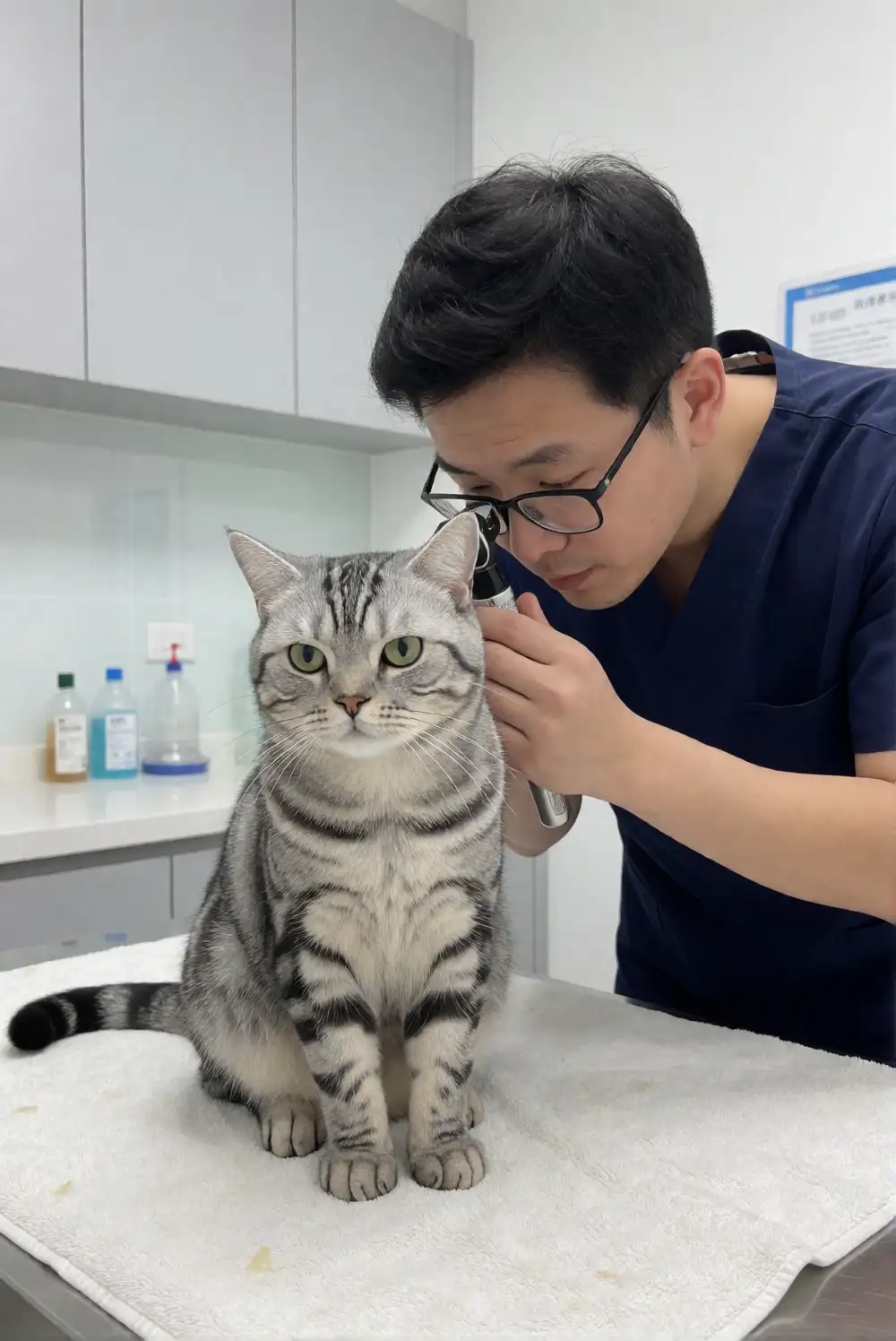
Dental disease is another common health problem among American Shorthairs. Many cats suffer from periodontal disease as they age, which can lead to pain and loss of teeth. Regular dental care, including tooth brushing and dental-specific treats, can help mitigate these issues.
Introduce dental care early in your cat's life to establish a routine. Regular veterinary dental cleanings are also essential for maintaining oral health.
Urinary Tract Issues
American Shorthairs can be prone to urinary tract issues, including urinary crystals and infections. Male cats are particularly susceptible to blockages, which can become life-threatening if not addressed quickly. Watch for signs such as frequent urination, straining, or blood in the urine.
To support urinary health, ensure your cat stays hydrated by providing fresh water and considering wet food options. Regular vet check-ups can also help detect problems early.
Skin Allergies
Skin allergies can affect American Shorthairs, leading to itching, redness, and discomfort. Allergies may result from food, environmental factors, or fleas. Identifying and eliminating the allergen is key to managing this condition.
Consult with a veterinarian for appropriate allergy testing and treatment options. Maintaining a clean environment and using flea prevention products can also reduce the risk of skin issues.
Conclusion
Being aware of these common health issues can help you take proactive steps to keep your American Shorthair healthy. Regular veterinary check-ups and a well-balanced diet are essential for preventing these health problems. Always monitor your cat's behavior and health closely, and don't hesitate to consult with your veterinarian if you notice any changes. To find your perfect American Shorthair companion, explore the available kittens from verified breeders.
Frequently Asked Questions
What are common health issues in American Shorthairs?
Common health issues in American Shorthairs include obesity, hypertrophic cardiomyopathy, dental disease, urinary tract problems, and skin allergies. Regular vet visits and a healthy lifestyle can help mitigate these risks.
How can I prevent obesity in my American Shorthair?
Preventing obesity involves providing a balanced diet, controlling portion sizes, and engaging in regular play and exercise. Monitor your cat’s weight and adjust their diet as needed.
What should I do if my American Shorthair has dental disease?
If you suspect dental disease, consult your veterinarian for an evaluation. They may recommend professional dental cleaning and may suggest a home care routine to maintain oral health.
How can I tell if my cat has urinary tract problems?
Signs of urinary tract problems include frequent urination, straining to urinate, blood in the urine, or excessive grooming of the genital area. Immediate veterinary attention is crucial if you observe these symptoms.
Can American Shorthairs have allergies?
Yes, American Shorthairs can develop allergies to food, environmental factors, or fleas. Consult a veterinarian for proper diagnosis and treatment options if you notice signs of allergies.
What is hypertrophic cardiomyopathy?
Hypertrophic cardiomyopathy is a genetic heart condition that causes the heart muscles to thicken. Regular veterinary check-ups can help detect this condition early, potentially saving your cat’s life.