Understanding the Siamese Breed
The Siamese cat is known for its striking appearance and social, affectionate nature. With their sleek bodies and distinctive color points, these cats are as prone to certain health issues as they are charming. Knowing the common health problems in Siamese cats can help you provide the best care for your furry friend.
1. Respiratory Issues
Siamese cats are often more susceptible to respiratory problems, particularly due to their unique skull structure. They may suffer from conditions such as asthma or bronchial disease, leading to symptoms like wheezing, coughing, or difficulty breathing. If you notice any of these signs, consult with your veterinarian immediately to discuss management options.
2. Dental Problems
Dental disease is common in Siamese cats, especially if they do not receive regular dental care. Periodontal disease can develop and lead to pain, tooth loss, and other health complications. Regular check-ups and dental cleanings can help mitigate these issues and keep your cat's mouth healthy.
3. Progressive Retinal Atrophy (PRA)
PRA is a genetic condition that affects the retina's ability to function properly. In Siamese cats, this can lead to gradual vision loss. Regular vet check-ups can help with early detection, and while there is no cure, your vet can suggest adaptations to help your cat adjust.
4. Amyloidosis
Amyloidosis is a condition where abnormal protein deposits build up in organs such as the liver or kidneys, leading to organ dysfunction. Siamese cats are particularly prone to this condition, which can be challenging to diagnose. Keeping an eye on your cat's health and working closely with your veterinarian can help manage this issue effectively.
5. Heart Disease
Siamese cats can be prone to heart disease, particularly hypertrophic cardiomyopathy (HCM). This condition causes the heart muscle to thicken, leading to potential heart failure. Regular veterinary check-ups are essential for early detection and management of heart issues.
6. Obesity
Like many breeds, Siamese cats can struggle with obesity if not properly managed. Obesity can lead to various health issues, including diabetes and joint problems. Feeding a balanced diet and ensuring your cat gets regular exercise are crucial for maintaining a healthy weight.
7. Importance of Regular Vet Visits
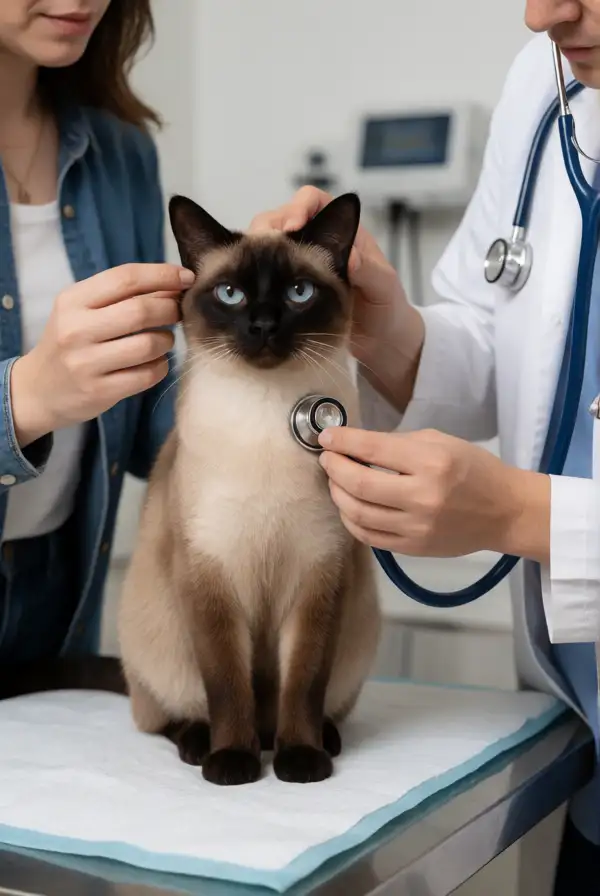
Regular veterinary visits are crucial for Siamese cats to catch health issues early. Maintaining vaccinations, dental care, and overall health assessments will help your Siamese live a longer, healthier life. Discuss any concerns with your vet regarding your cat's health and preventive care options.
Conclusion
Understanding common Siamese health problems is vital for every owner. With proper care, regular vet visits, and attention to their health, you can ensure that your Siamese remains a happy and healthy companion. Remember to consult your veterinarian if you notice any changes in behavior or health. For those looking to welcome a Siamese into their home, you can browse available kittens on CatHatch for ethical breeders.
Frequently Asked Questions
What are common health concerns for Siamese cats?
Siamese cats often face respiratory issues, dental diseases, progressive retinal atrophy, and heart disease. Regular check-ups can help monitor and manage these concerns effectively.
How can I keep my Siamese cat healthy?
To keep your Siamese cat healthy, provide a balanced diet, regular veterinary care, and opportunities for exercise. Monitoring their weight is also crucial to prevent obesity-related issues.
Are Siamese cats prone to obesity?
Yes, Siamese cats can be prone to obesity if not properly managed. A balanced diet and regular exercise are essential for their health.
What should I do if my Siamese cat shows signs of respiratory issues?
If your Siamese cat shows signs of respiratory distress, such as wheezing or difficulty breathing, it is essential to consult your veterinarian immediately for evaluation and treatment.
Can dental disease be prevented in Siamese cats?
Yes, dental disease can often be prevented with regular dental cleanings, both at home and by your veterinarian. Providing dental treats or toys can also help maintain oral health.