Understanding the Pixie-bob Breed
The Pixie-bob is a unique breed known for its distinctive bobbed tail and wild appearance that resembles a lynx. These cats are not only charming and playful, but they also tend to develop specific health issues that potential owners should be aware of. Being informed about these common health problems can help ensure that your Pixie-bob receives the best care possible.
1. Hypertrophic Cardiomyopathy (HCM)
Hypertrophic cardiomyopathy is a prevalent heart condition found in many cat breeds, including Pixie-bobs. This condition causes the heart muscle to thicken, which can lead to heart failure if not monitored. Regular veterinary check-ups, including heart screenings, can help detect HCM early, allowing for better management.
2. Hip Dysplasia
Hip dysplasia occurs when the hip joint doesn’t fit into the hip socket properly, leading to joint pain and mobility issues. While often seen in larger breeds, Pixie-bobs can also be affected, especially if they are overweight. Maintaining a healthy weight through a balanced diet and regular exercise is crucial in preventing this issue.
3. Spinal Issues
Due to their unique physical structure, Pixie-bobs may be prone to spinal problems, including lordosis and scoliosis. These conditions can affect their mobility and overall comfort. It's essential to provide a safe environment to prevent injuries and be observant of any changes in their movement or behavior.
4. Obesity
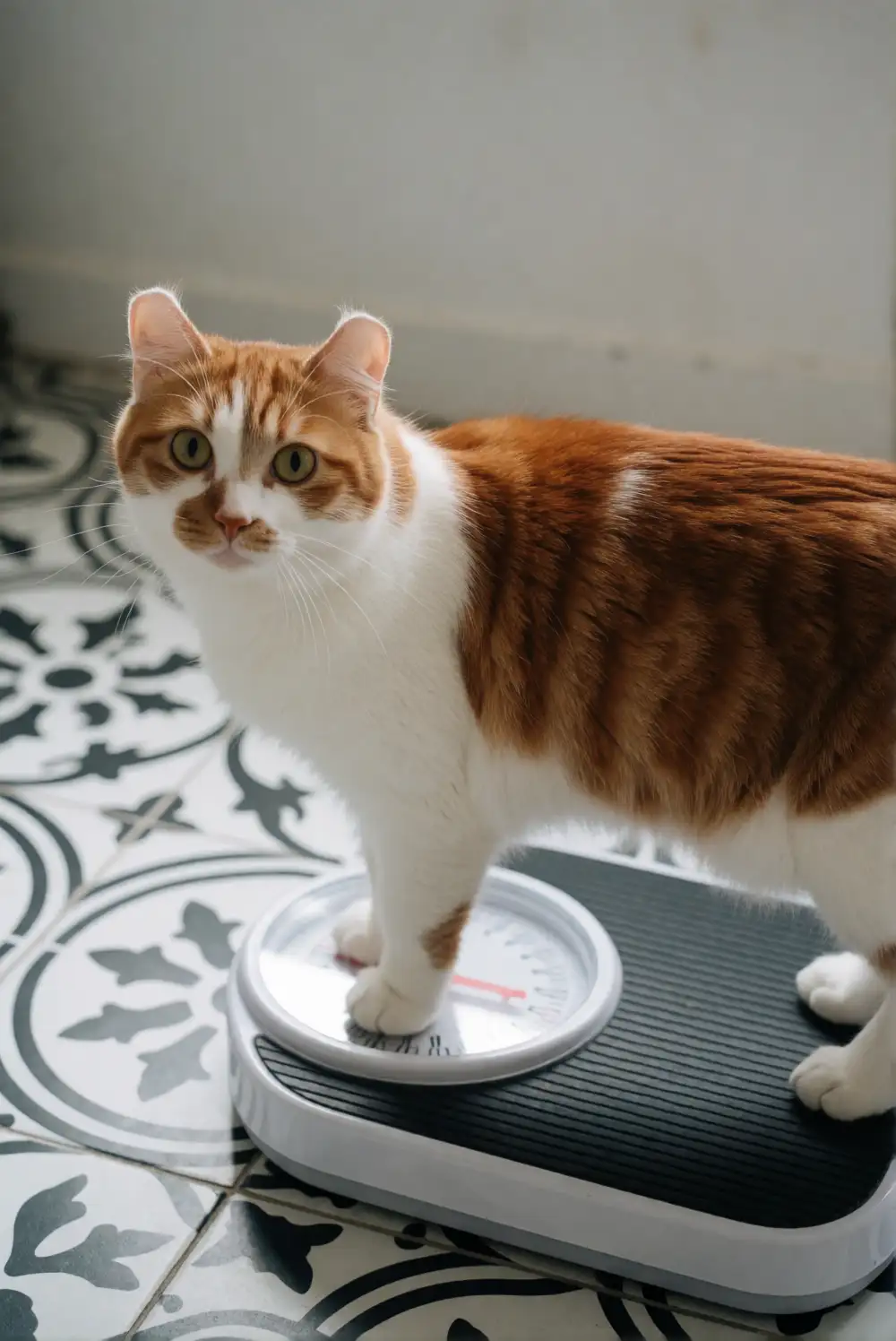
Pixie-bobs are known for their love of food, which makes them prone to obesity if their diet is not monitored. Obesity can exacerbate other health problems, including diabetes and joint issues. Feeding measured portions and providing plenty of playtime can help keep your cat's weight in check.
5. Dental Disease
Dental health is often overlooked but is vital for your Pixie-bob's overall well-being. Regular teeth brushing and dental check-ups can prevent periodontal disease, which can lead to pain and other systemic health issues. Providing dental treats can also aid in maintaining their oral hygiene.
6. Eye Problems
Pixie-bobs can be susceptible to certain eye issues, such as conjunctivitis and other infections. Regular eye examinations and paying attention to any signs of irritation or discharge can help catch problems early. Keeping your cat’s living space clean is also essential in preventing infections.
Preventative Care
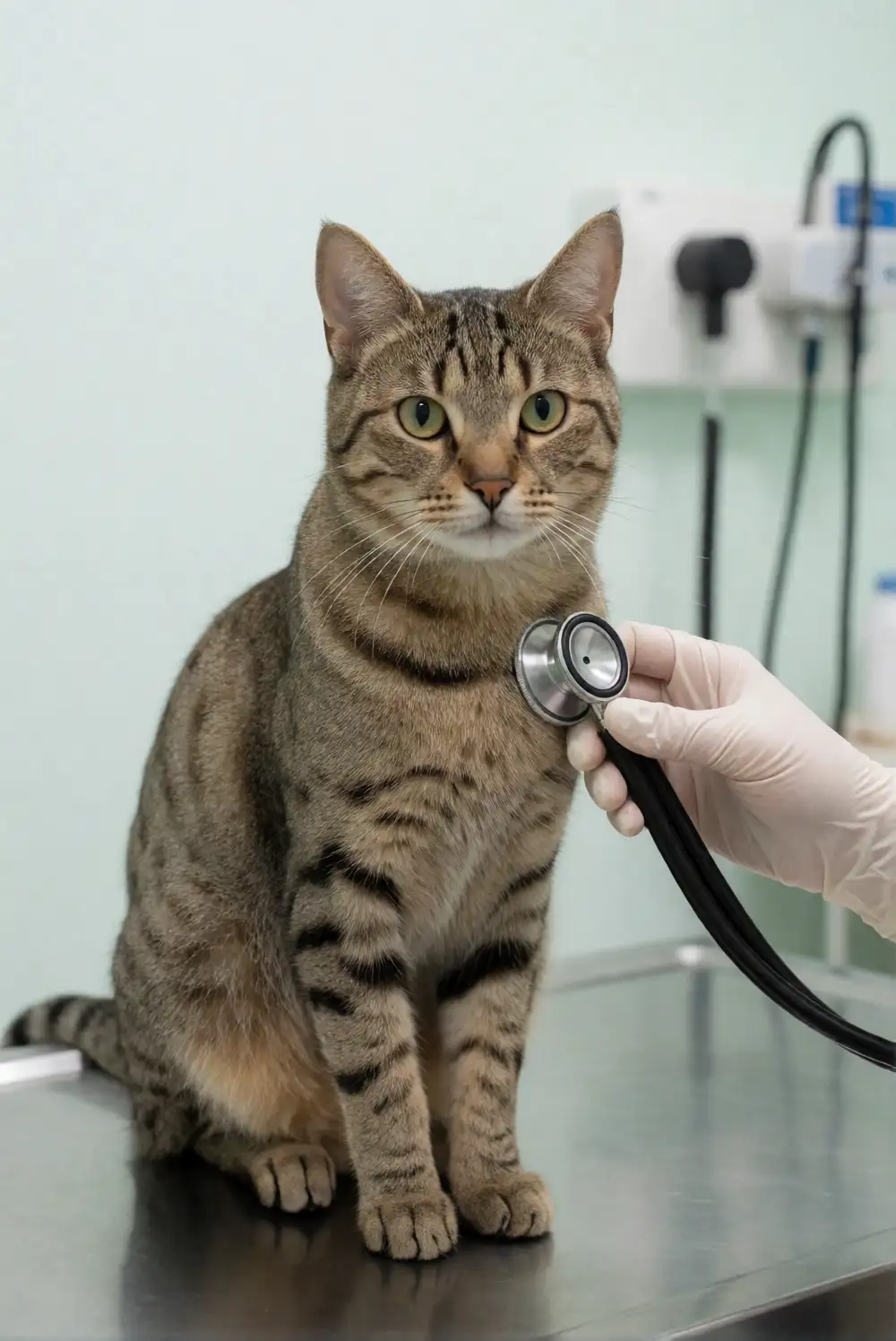
Regular veterinary visits are crucial for Pixie-bobs to catch any potential health issues early. Vaccinations, routine blood work, and screenings for hereditary conditions can aid in maintaining their health. Additionally, providing a nutritious diet, regular exercise, and mental stimulation can contribute to a long and healthy life.
Final Thoughts
Understanding the common health problems that Pixie-bobs may encounter is the first step toward ensuring a healthy life for your furry friend. By staying vigilant and proactive in their care, you can help mitigate these risks and enjoy many happy years together. For those looking to add a Pixie-bob to their family, consider browsing the available kittens on CatHatch.
Frequently Asked Questions
What is the lifespan of a Pixie-bob?
Pixie-bobs typically live between 12 to 16 years, but with proper care, some may live even longer. Regular vet check-ups can help maintain their health as they age.
Are Pixie-bobs prone to genetic disorders?
Like many breeds, Pixie-bobs can be predisposed to certain genetic conditions, such as hypertrophic cardiomyopathy. Responsible breeding practices can help reduce these risks.
How can I prevent obesity in my Pixie-bob?
Preventing obesity involves providing a balanced diet, controlling portion sizes, and encouraging regular play and exercise. Monitoring their weight regularly can also help maintain a healthy body condition.
What vaccinations do Pixie-bobs need?
Pixie-bobs should receive standard vaccinations for rabies, feline distemper, and other diseases as recommended by your veterinarian. Keeping up with vaccines is crucial for their health.