Understanding the Turkish Van's Ideal Weight
The Turkish Van, known for its striking color pattern and playful personality, typically weighs between 10 to 20 pounds, depending on whether it's male or female. Maintaining a healthy weight is crucial for their overall well-being, as obesity can lead to various health issues such as diabetes, heart disease, and joint problems.
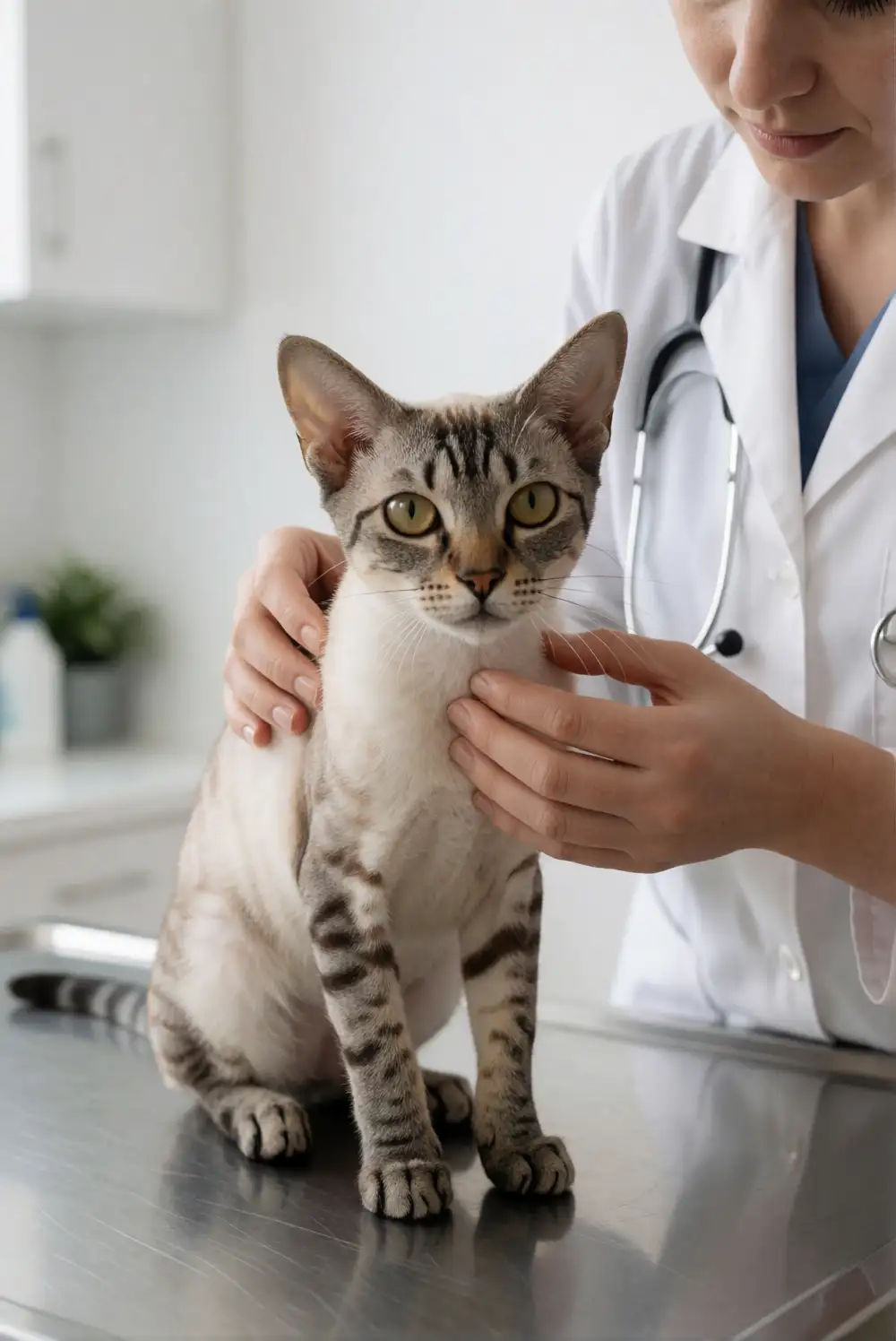
To assess your Turkish Van's weight, consider their body condition score (BCS), which involves evaluating their physical appearance and feel. You should be able to feel their ribs without excess fat covering, and they should have a noticeable waist when viewed from above. Regular vet check-ups can help monitor your cat's weight and general health.
Signs Your Turkish Van May Be Overweight
If your Turkish Van is tipping the scales towards the higher end of their weight range, watch for these signs:
- Difficulty Grooming — Overweight cats often struggle to groom themselves properly, leading to matting or unkempt fur.
- Decreased Activity — If your cat is less active than usual, preferring to lounge rather than play, it may be a weight issue.
- Breathing Problems — Overweight cats can experience labored breathing, especially when playing or during warm weather.
Signs Your Turkish Van May Be Underweight
Conversely, if your cat is below the recommended weight range, look for these indicators:
- Visible Ribs and Spine — If the ribs or spine are protruding or very prominent, this may indicate an underweight condition.
- Excessive Scruffiness — Underweight cats often have poor fur quality and a scruffy appearance.
- Lethargy — A lack of energy and enthusiasm for play can suggest your cat isn't getting adequate nutrition.
Choosing the Right Diet for Your Turkish Van
The diet of your Turkish Van is crucial in maintaining a healthy weight. A balanced diet should include high-quality protein, healthy fats, and essential vitamins and minerals. Look for cat food labeled as complete and balanced, ideally with real meat as the first ingredient.
Consider their age, activity level, and health status when selecting food. For active cats, a higher protein diet may be beneficial, while older cats might require senior formulas to support joint health. Always consult with your vet before making significant changes to your cat's diet.
Portion Control and Feeding Schedule
Portion control is key to preventing both obesity and underweight issues. Measure your cat's food according to the feeding guidelines on the packaging, and adjust it based on your cat's activity level. Regular feeding times can also help regulate their appetite.
Many experts recommend feeding your Turkish Van at least twice a day. Offering smaller meals can prevent overeating and help maintain a healthy weight. Additionally, be mindful of treats, as they can add up quickly in calories.
Exercise and Mental Stimulation
Regular exercise is essential for keeping your Turkish Van at a healthy weight. Engage your cat with interactive toys, feather wands, or laser pointers to encourage movement. Additionally, providing climbing structures or cat trees can satisfy their natural climbing instincts and keep them active.
Don't forget mental stimulation! Puzzle feeders can make mealtime more engaging and promote healthy eating habits. A tired cat is less likely to overeat, so aim for at least 15-30 minutes of play each day to encourage a healthy lifestyle.
Regular Vet Visits
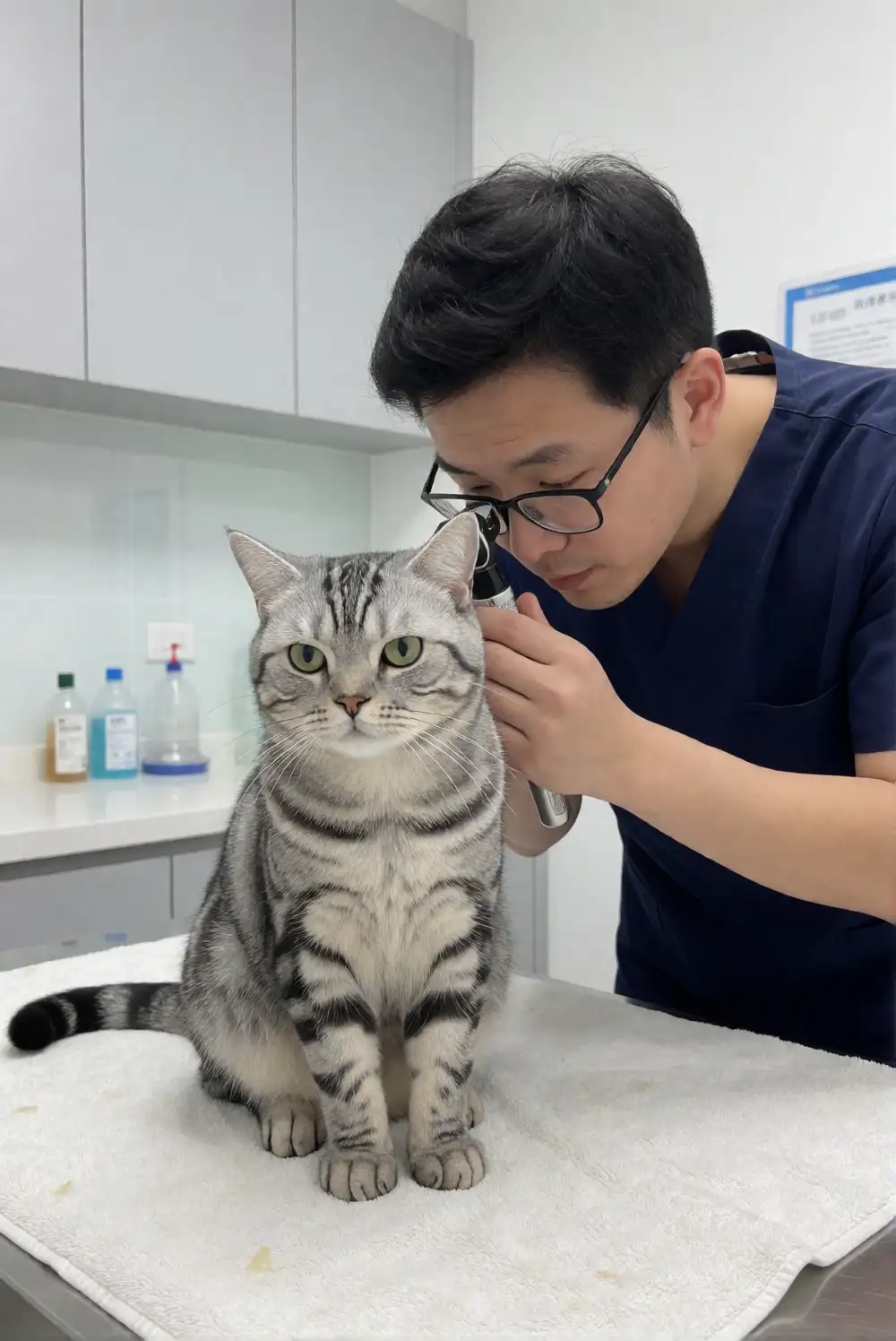
Regular veterinary check-ups are crucial for monitoring your Turkish Van's weight and overall health. Your vet can provide tailored advice on diet, exercise, and wellness based on your cat’s specific needs. Annual or biannual check-ups can help catch any potential weight issues early, ensuring that your feline friend remains healthy and happy.
Frequently Asked Questions
What is the average weight for a Turkish Van?
The average weight for a Turkish Van typically ranges from 10 to 20 pounds, depending on gender and overall health.
How can I tell if my Turkish Van is overweight?
Look for signs such as difficulty grooming, decreased activity levels, and visible fat covering the ribs. A vet check-up can provide a clearer assessment.
What should I feed my Turkish Van to maintain a healthy weight?
Choose high-quality cat food rich in protein and avoid fillers. Consult with your vet for specific dietary recommendations based on your cat's age and activity level.
How much should I feed my Turkish Van?
Feed your Turkish Van according to the guidelines on the cat food packaging, adjusting based on their activity level. Portion control is key.
Is exercise important for my Turkish Van's weight management?
Yes, regular exercise is crucial for maintaining a healthy weight. Engaging your cat in play helps burn calories and promotes overall health.
What should I do if my Turkish Van is underweight?
If your cat is underweight, consult your veterinarian for a tailored feeding plan and potential health evaluations to identify any underlying issues.