Understanding the Donskoy Breed
The Donskoy, also known as the Donskoy Sphynx, is a distinctive breed originating from Russia, celebrated for its lack of fur and affectionate nature. Though they are generally healthy cats, like all breeds, they can be prone to specific health issues that owners should be aware of. Understanding these potential problems is crucial for maintaining your Donskoy's well-being.
Skin Issues
Due to their hairless nature, Donskoys are particularly susceptible to skin problems. They require regular bathing to remove the natural oils that accumulate on their skin. Without proper care, they can develop conditions such as:
- Dermatitis — Inflammation of the skin that can lead to redness, itching, and discomfort.
- Fungal Infections — These can manifest as patches of scaly skin and are often treatable with medication.
- Sunburn — Without fur to protect them, Donskoys can easily get sunburned, especially if exposed to direct sunlight for long periods.
Respiratory Issues
Donskoys can be prone to respiratory problems, particularly if they are kept in environments with poor air quality. Symptoms to watch for include:
- Coughing and Wheezing — Sounding congested or having difficulty breathing can indicate underlying issues.
- Frequent Sneezing — This could be a sign of allergies or an upper respiratory infection.
Heart Disease
Like many breeds, Donskoys can be susceptible to heart diseases, particularly hypertrophic cardiomyopathy (HCM). Regular veterinary check-ups can help in early detection. Signs may include:
- Lethargy — A noticeable decrease in activity or willingness to play.
- Difficulty Breathing — An unusual struggle to breathe, especially during exertion.
Dental Problems
Dental health is paramount for Donskoys. They can face issues such as periodontal disease and tooth decay. Owners should:
- Check Gums Regularly — Look for inflammation or bleeding in the gums that could indicate disease.
- Brush Teeth Regularly — Dental care is essential in preventing future health problems.
Obesity
Obesity can be a significant health concern for Donskoys, especially since they tend to be less active due to their unique physicality. To avoid obesity:
- Monitor Food Intake — Ensure your cat is on a balanced diet and not overfed.
- Encourage Playtime — Incorporate regular exercise to maintain a healthy weight.
Common Allergies
Donskoys may develop allergies to environmental factors or certain foods. Symptoms include:
- Itching and Scratching — Excessive itching can indicate an allergic reaction.
- Gastrointestinal Upset — Vomiting or diarrhea can also be a sign of food allergies.
Regular Veterinary Care
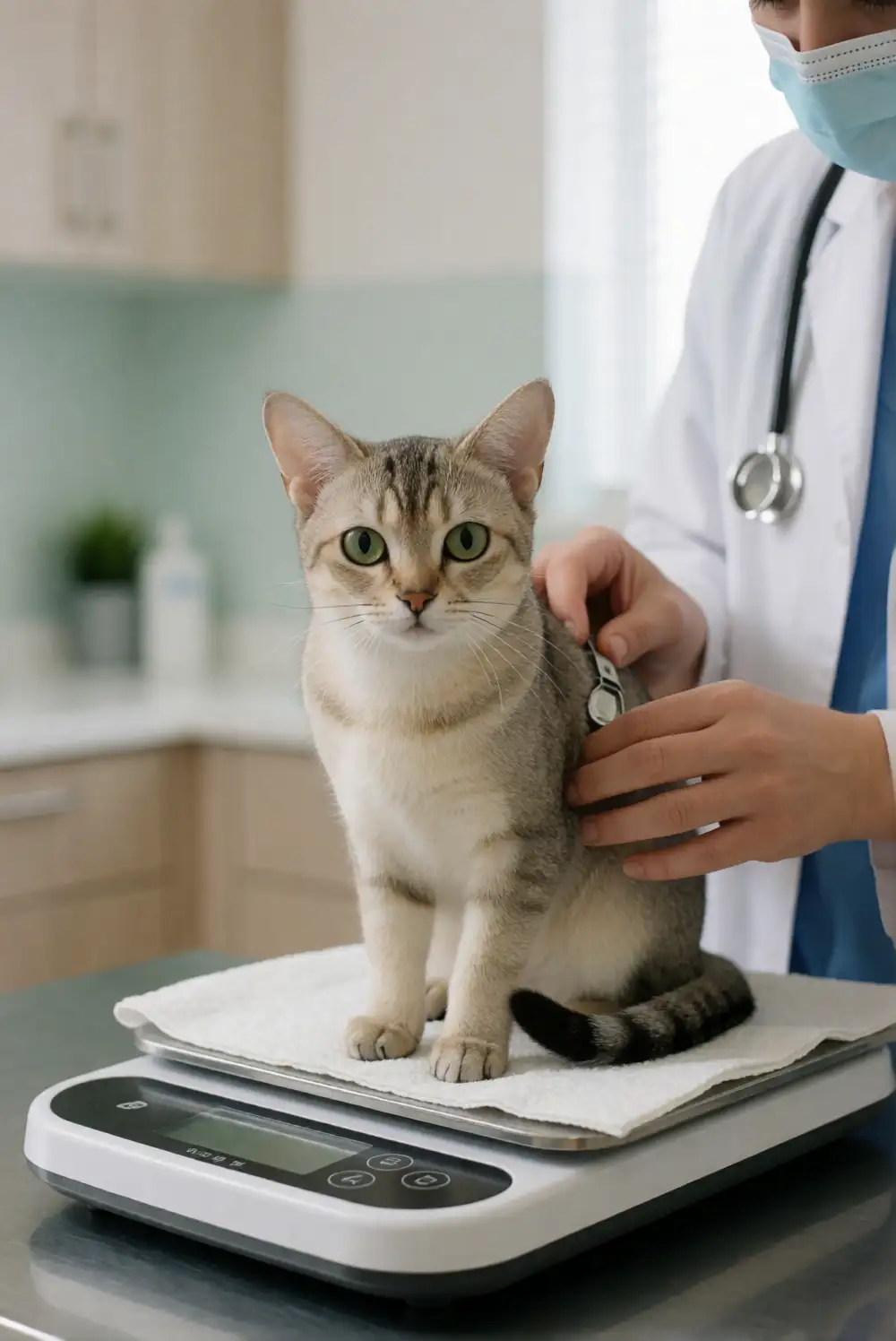
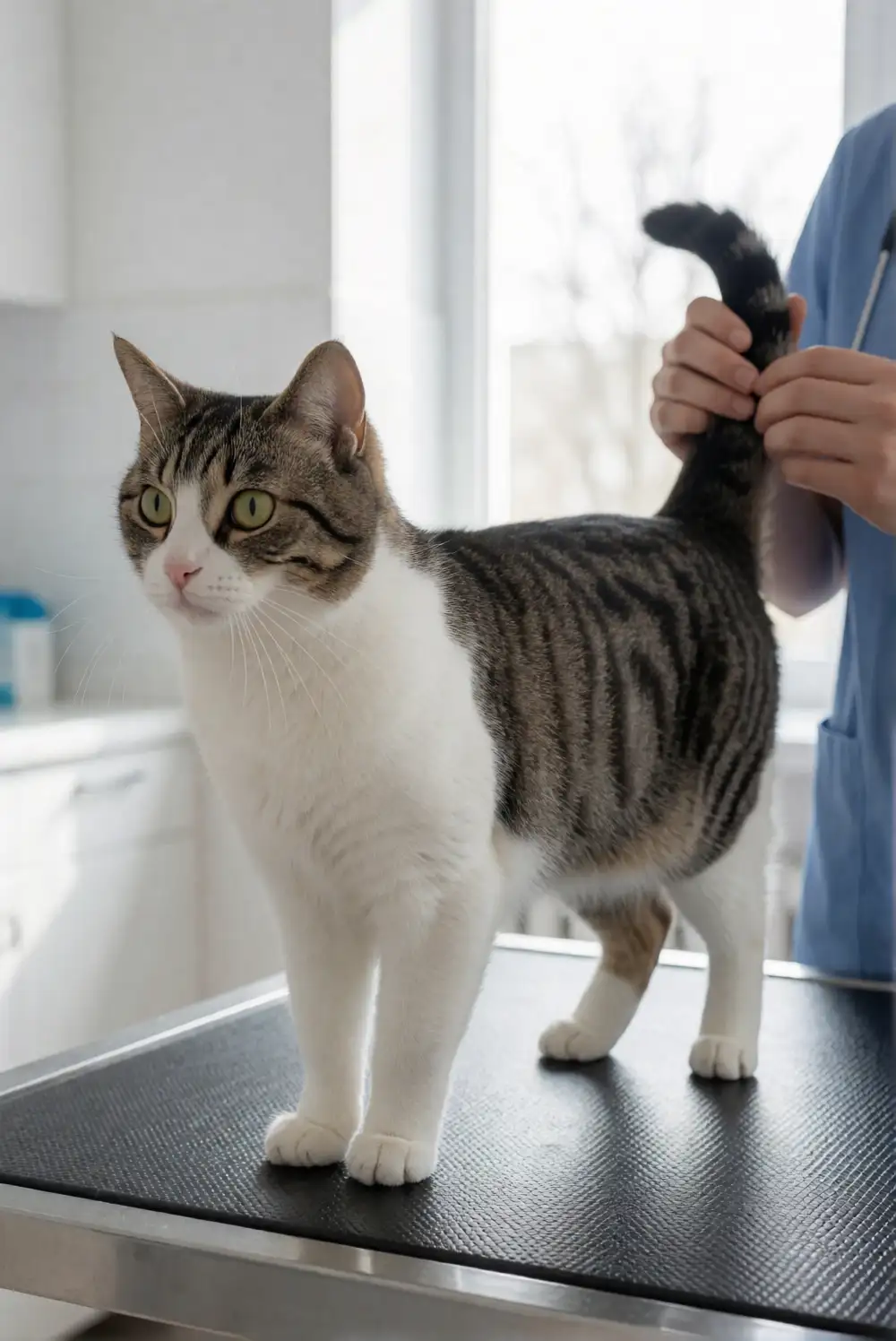
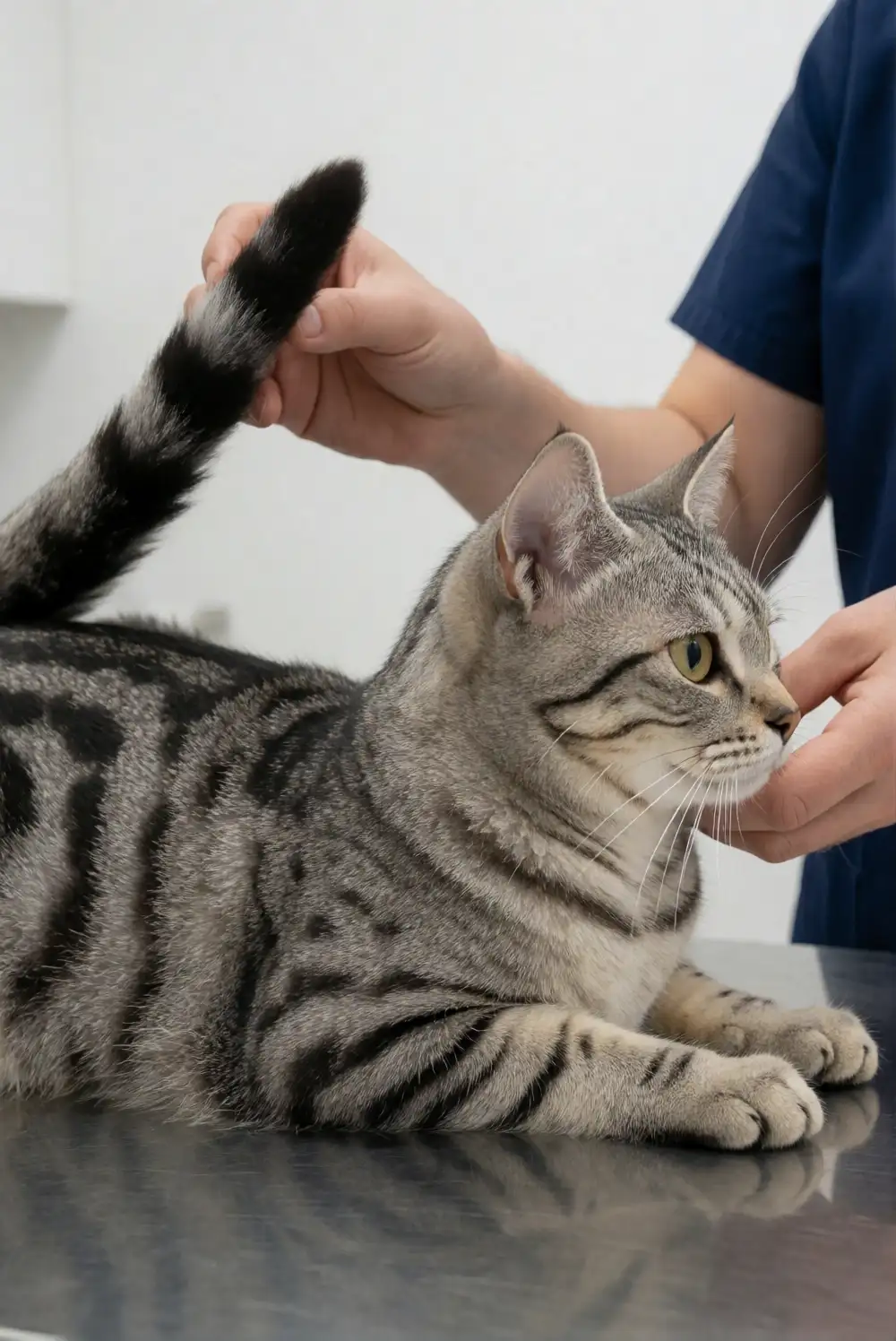
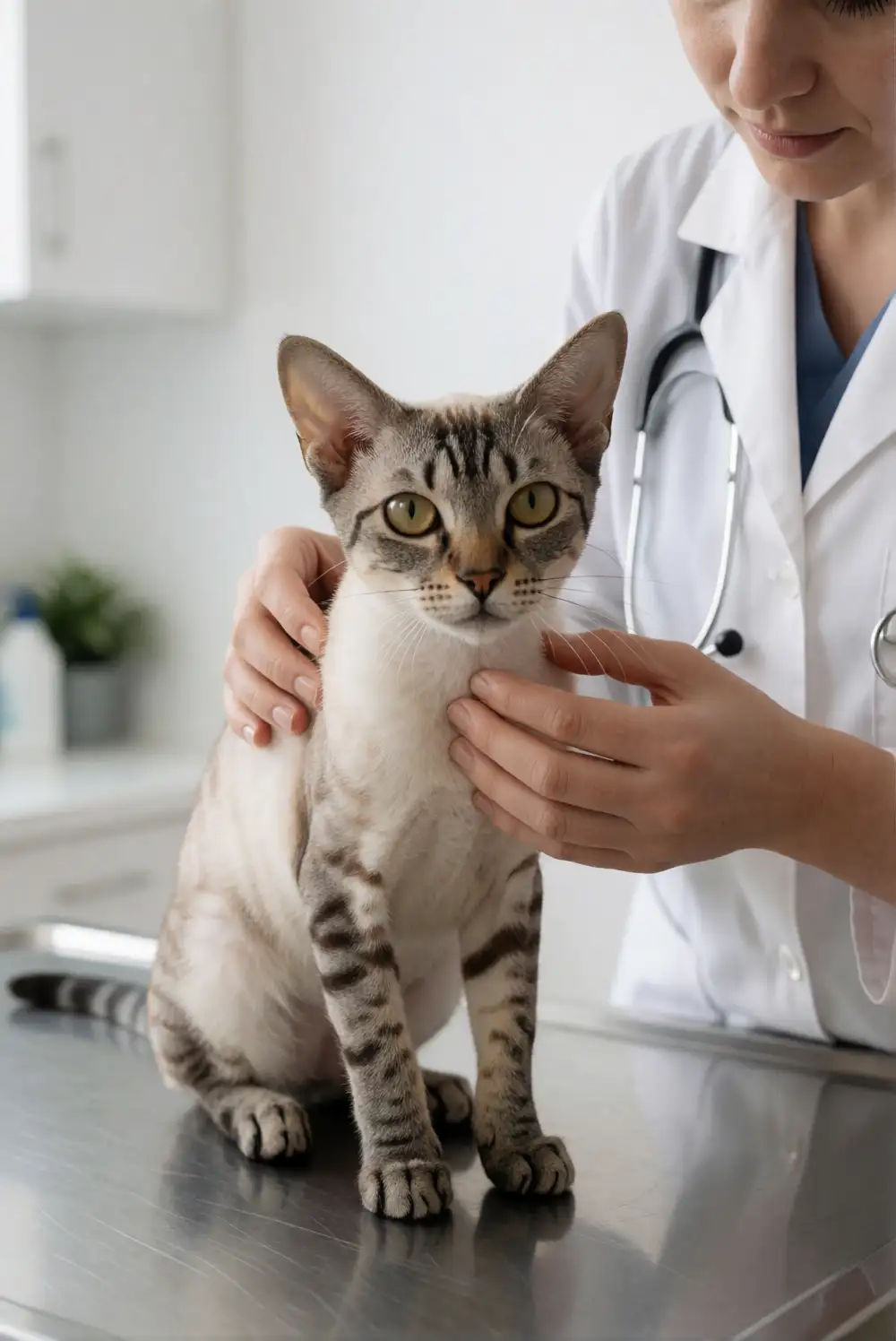
To keep your Donskoy healthy, regular veterinary visits are essential. A vet can provide vaccinations, monitor for common health issues, and guide you on proper care routines. Early detection of potential problems can significantly improve outcomes.
Diet and Nutrition
Feeding your Donskoy a balanced diet is vital for their health. High-quality cat food tailored to their specific needs can help prevent many health issues. Consult with your veterinarian to determine the best diet for your feline friend.
Grooming Considerations
Despite their lack of fur, Donskoys require grooming. Regular baths help maintain skin health, while nail trimming and ear cleaning are also important aspects of their care routine. This minimizes the risk of infections and keeps your cat comfortable.
Emotional Well-Being
Like all cats, Donskoys thrive on companionship and stimulation. Ensure they receive enough attention and playtime to support their mental health. Stress can lead to health problems, so creating a calm and engaging environment is crucial.
Potential Genetic Disorders
Donskoys, like any breed, can be predisposed to certain genetic disorders. Being aware of these can help you make informed decisions when selecting a kitten. Work with a reputable breeder who tests for known genetic issues to ensure a healthy addition to your family.
Conclusion
Understanding common health problems associated with the Donskoy breed is essential for any cat owner. By staying proactive with regular veterinary care, a balanced diet, and a proper grooming routine, you can help ensure that your Donskoy remains healthy and happy. Browse available kittens on CatHatch to find your perfect furry companion and start your journey together.
Frequently Asked Questions
What health issues are common in Donskoy cats?
Donskoy cats can face several health issues, including skin problems, respiratory conditions, heart disease, dental issues, and obesity. Regular vet check-ups can help in early detection and management.
How can I prevent skin problems in my Donskoy?
Regular bathing and monitoring their skin for any signs of irritation or infections can help prevent skin problems in Donskoys. Also, ensure they are not overexposed to sunlight to prevent sunburn.
Are Donskoy cats prone to heart disease?
Yes, Donskoy cats can be susceptible to hypertrophic cardiomyopathy (HCM). Regular veterinary examinations can help detect this condition early, allowing for better management of the disease.
What type of diet is best for a Donskoy?
A high-quality, balanced diet is essential for Donskoys. Consult with a veterinarian to establish the best dietary plan tailored to your cat's specific needs.
How often should I take my Donskoy to the vet?
Regular veterinary check-ups are recommended at least once a year for healthy adult Donskoys, while kittens and older cats may need more frequent visits.
Can Donskoy cats be trained easily?
Donskoy cats are intelligent and can be trained with patience and positive reinforcement. Start with basic commands and gradually introduce more complex training as they become comfortable.