Understanding the Exotic Shorthair
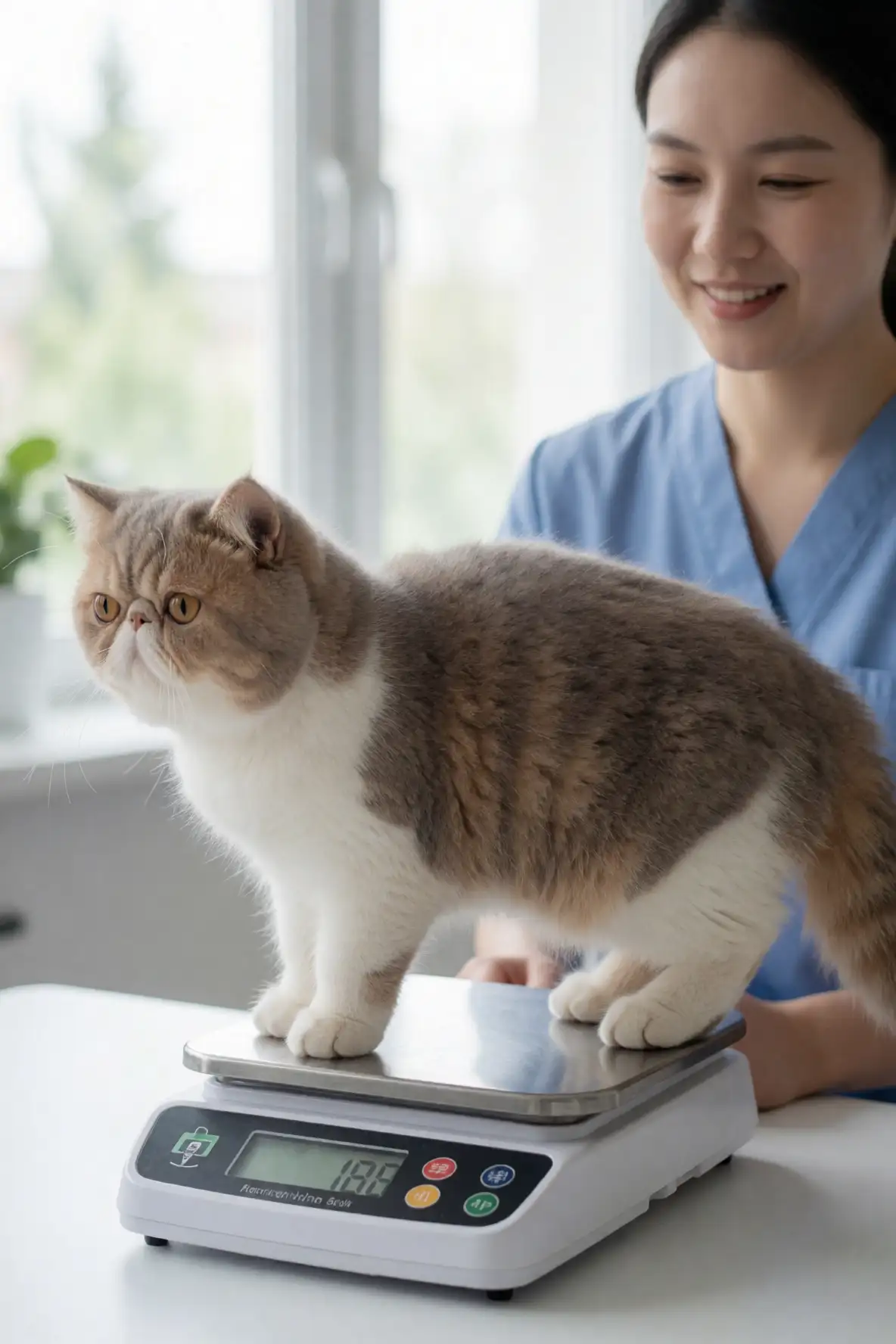
The Exotic Shorthair is a delightful breed known for its plush coat, round face, and sweet disposition. These cats are stocky and muscular, typically weighing between 10 to 15 pounds. It’s essential to understand their unique body structure when assessing their weight, as they can appear heavier than they actually are due to their dense build.
A healthy Exotic Shorthair should have a well-defined waist and visible ribs without excessive fat covering. Monitoring their weight regularly is crucial, especially since they are prone to obesity. Maintaining an ideal weight helps prevent health issues such as diabetes and joint problems.
How to Check Your Exotic Shorthair’s Weight
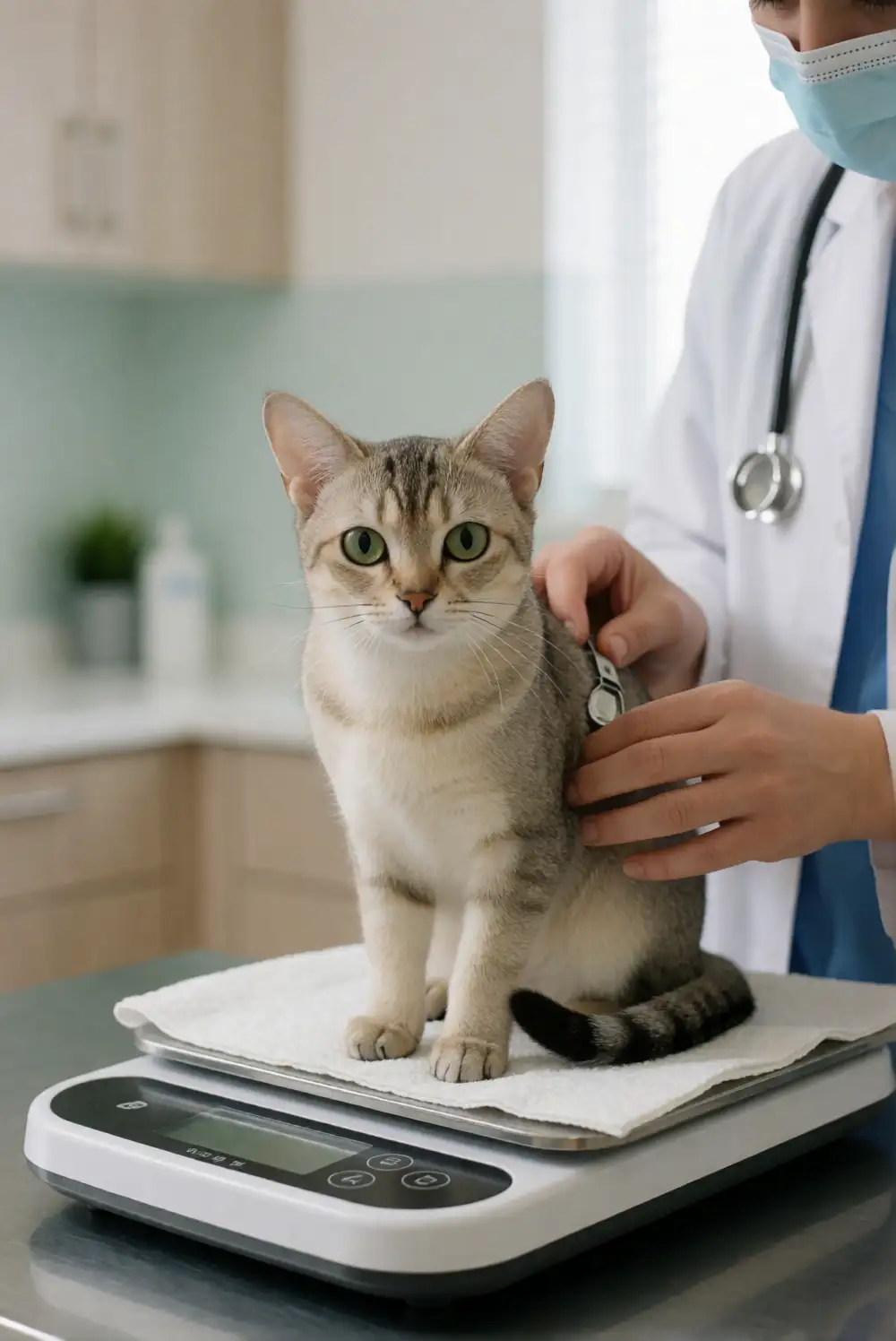
Weighing your Exotic Shorthair is the most straightforward way to determine if they are at a healthy weight. You can use a standard scale; just weigh yourself first, then hold your cat and subtract your weight from the total. This method will give you an accurate measurement.
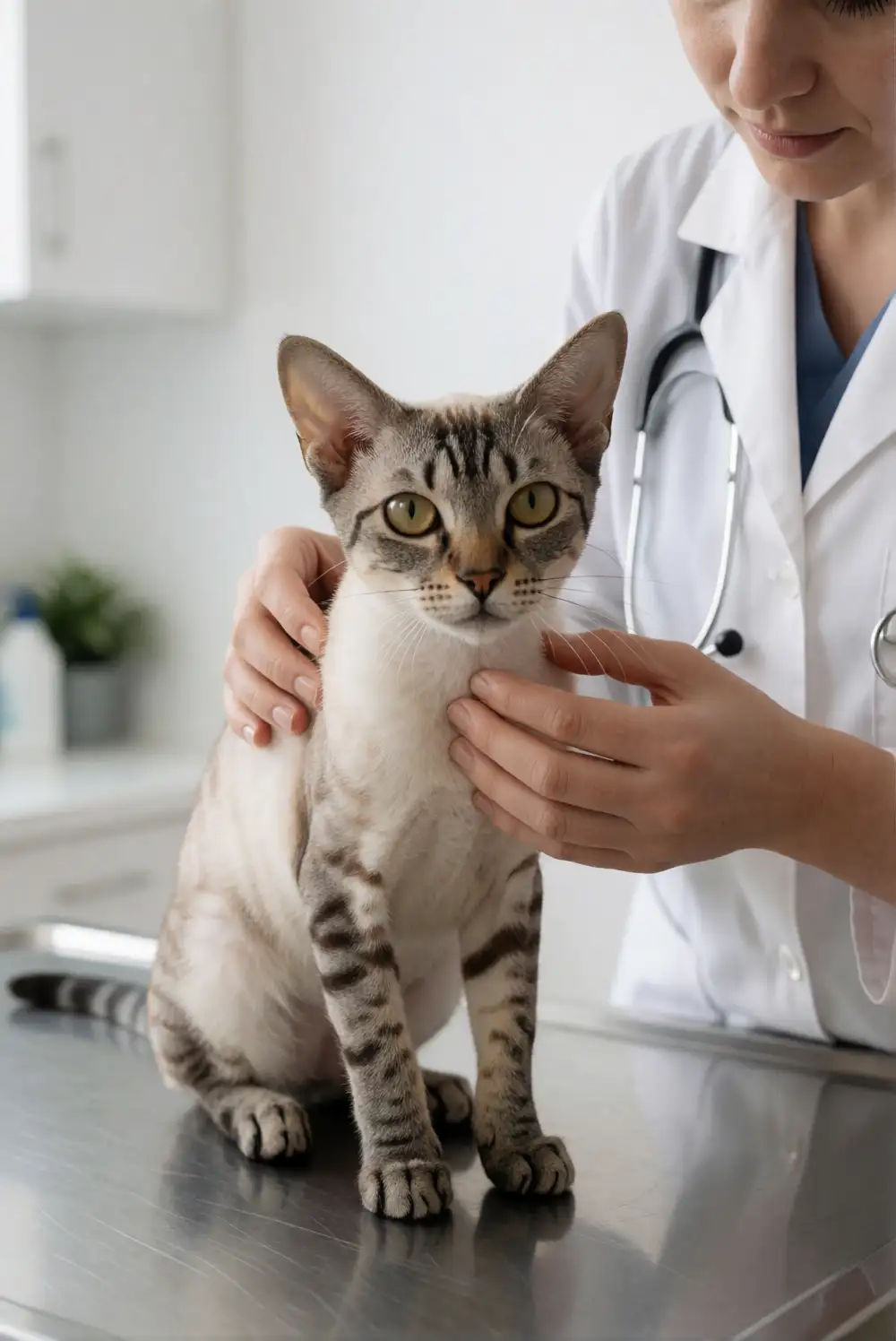
Alternatively, your veterinarian can weigh your cat during regular check-ups. Your vet can also provide insights into your cat’s weight history and ideal weight based on their age and health status.
Signs of an Underweight Exotic Shorthair
If your Exotic Shorthair is underweight, you may notice their ribs are very prominent, and they lack muscle mass. Underweight cats may also exhibit lethargy, decreased appetite, or other health issues. If you observe any of these signs, consult with your veterinarian to discuss potential underlying conditions.
It's vital to address weight loss promptly, as it can lead to serious health concerns. A gradual increase in calorie intake, combined with high-quality food, can help your cat regain a healthy weight.
Signs of an Overweight Exotic Shorthair
Overweight Exotic Shorthairs may have difficulty grooming themselves and less energy for play. You might notice a lack of a visible waist, and their abdomen may sag. Regularly assessing their body condition score can help you understand if your cat is overweight.
Obesity is a significant health risk for cats, leading to diabetes, heart disease, and joint problems. If your Exotic Shorthair is overweight, it’s crucial to develop a weight management plan with your vet, focusing on a balanced diet and an exercise regimen.
Nutrition for a Healthy Weight
The diet of your Exotic Shorthair plays a pivotal role in maintaining a healthy weight. High-quality, protein-rich food is essential, and it’s best to avoid fillers like corn and soy. Look for cat food that lists meat as the first ingredient.
Additionally, consider portion control. Measure your cat's food and feed them according to their weight management plan recommended by your veterinarian. Regular feeding schedules can help maintain a healthy appetite and energy levels.
Exercise: Keeping Your Exotic Shorthair Active
Encouraging your Exotic Shorthair to stay active is crucial for weight management. Engage them with interactive toys, laser pointers, and climbing structures that can stimulate their natural instincts to chase and explore.
Schedule playtime every day, aiming for 15-30 minutes of vigorous activity to help maintain a healthy weight. Consider rotating their toys to keep their interest alive, ensuring they stay active and engaged.
Regular Vet Check-ups
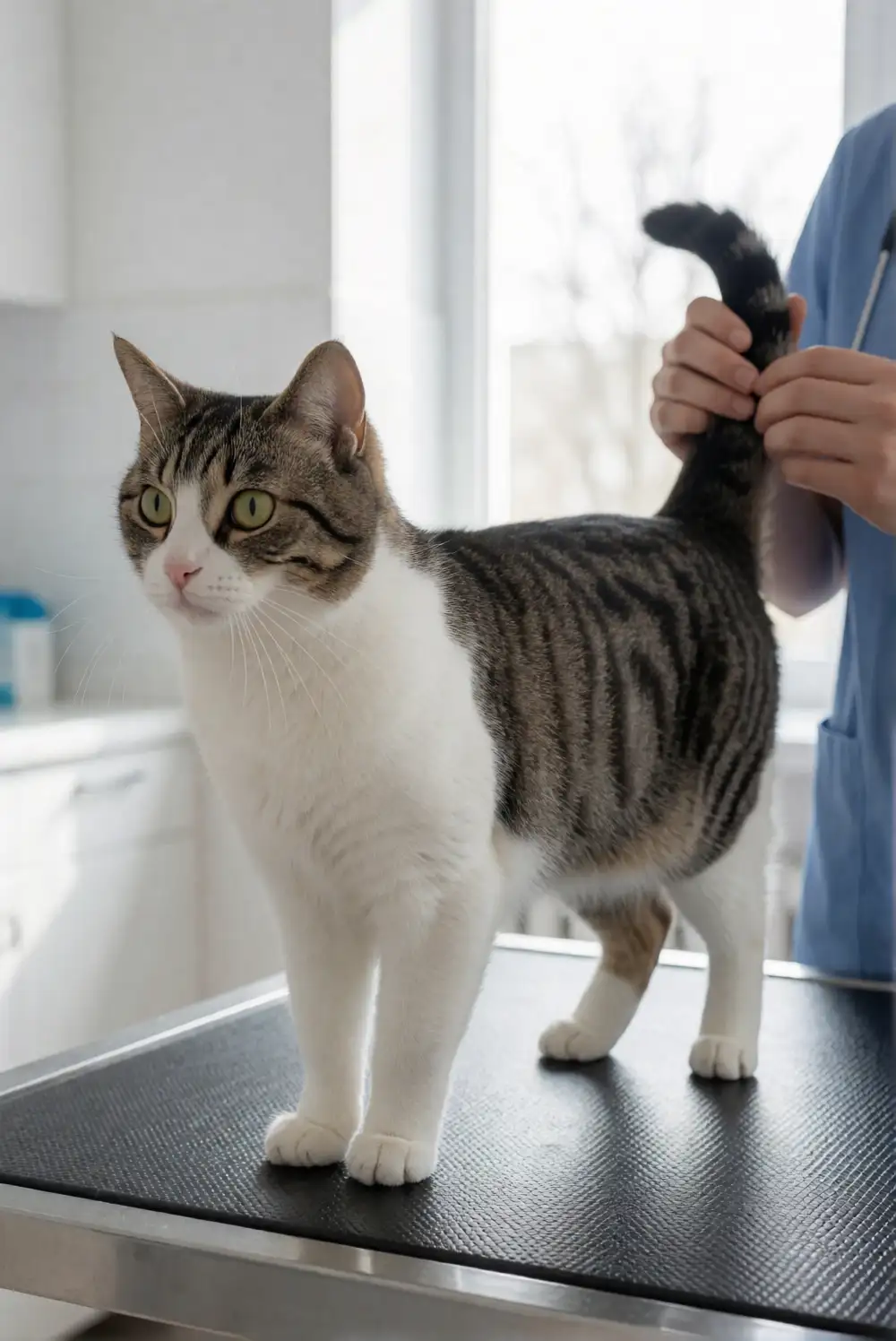
Regular veterinary visits are essential for monitoring your Exotic Shorthair’s weight. Your veterinarian can assess their body condition score and recommend dietary adjustments or exercise plans as needed.
Check-ups also allow for early detection of potential health issues that could affect your cat's weight, ensuring they remain healthy and happy throughout their life.
Caring for Kittens
Consult your veterinarian for specific feeding guidelines to ensure your kitten thrives while developing good eating habits that will last into adulthood.
Managing Weight Through Lifestyle Changes
If your Exotic Shorthair is battling weight issues, making lifestyle changes can be beneficial. This may include introducing more playtime, switching to a healthier diet, or implementing feeding puzzles that stimulate mental engagement and slow down eating.
Involve the entire household in your cat's care plan to ensure consistency and support for your cat's weight management journey.
Understanding Body Condition Scoring
Body Condition Scoring (BCS) is a useful tool for assessing your Exotic Shorthair's weight. This scoring system typically ranges from 1 to 9, where 1 is emaciated, and 9 is obese. A score of 4-5 indicates ideal body condition.
Familiarizing yourself with the BCS can help you make informed decisions about your cat’s weight and overall health. Regular assessments every few months can track changes and help maintain a healthy weight.
Conclusion
Frequently Asked Questions
How much should my Exotic Shorthair weigh?
An adult Exotic Shorthair typically weighs between 10 to 15 pounds. However, factors such as age and build can influence their ideal weight.
What should I do if my cat is overweight?
If your Exotic Shorthair is overweight, consult with your veterinarian to create a weight management plan that includes dietary changes and increased physical activity.
How can I tell if my cat is underweight?
You can tell if your Exotic Shorthair is underweight if their ribs are prominent and they lack muscle mass. A visit to the vet can help confirm if there are underlying health issues.
What type of food is best for an Exotic Shorthair?
A high-quality, protein-rich cat food without fillers is best for an Exotic Shorthair. Look for brands that list meat as the first ingredient.
How often should I take my cat to the vet?
Regular check-ups every 6-12 months are recommended to monitor your Exotic Shorthair’s health and weight, allowing for early detection of potential issues.