Understanding Ideal Weight for Exotic Cats
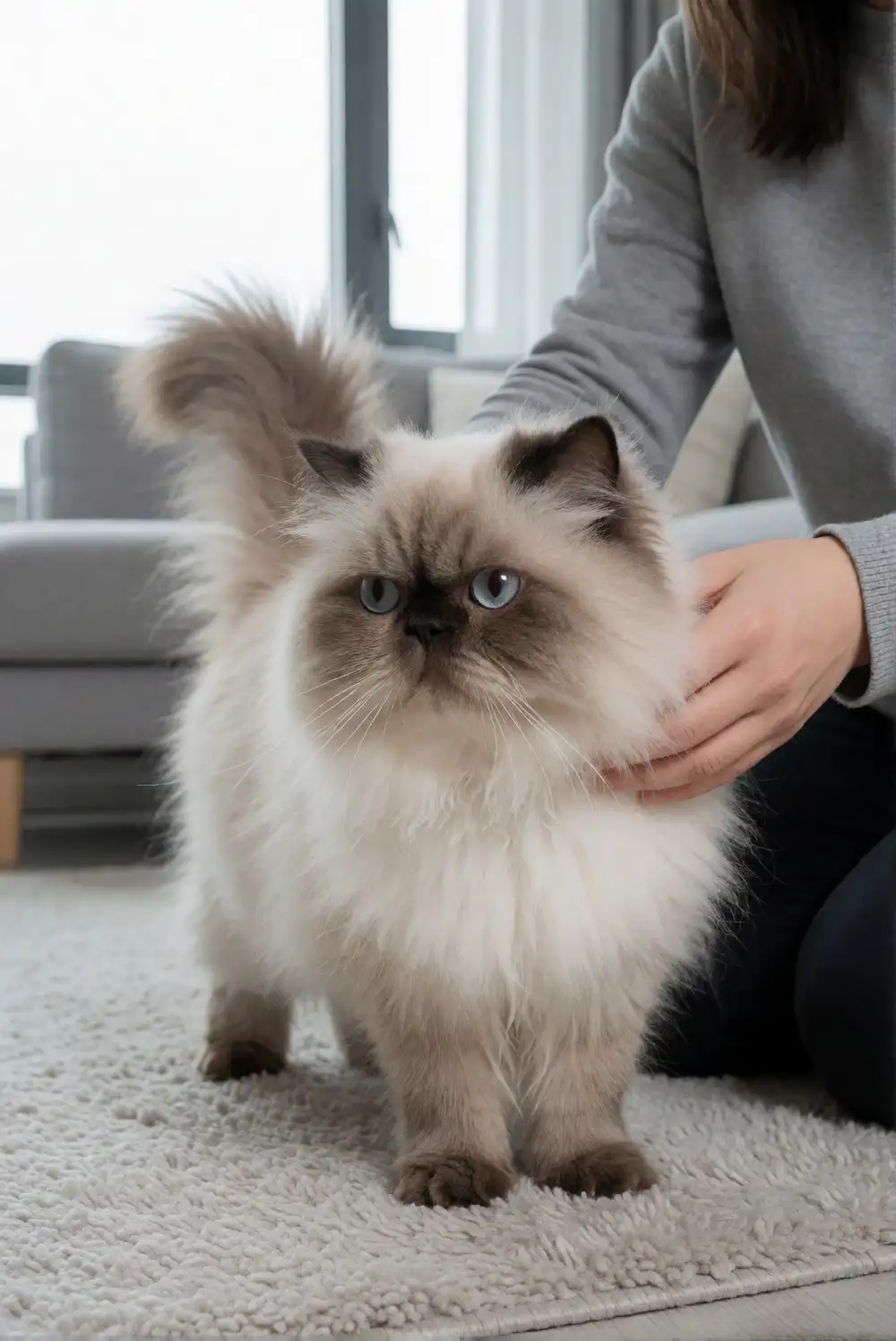
Different breeds of exotic cats have varying ideal weight ranges, which can be crucial for their overall health. For instance, breeds like the Exotic Shorthair typically weigh between 10 to 15 pounds, while the Bengal may weigh between 8 to 15 pounds. Knowing your specific breed's ideal weight can help you monitor and maintain their health.
It's essential to remember that each cat is unique, and factors such as age, gender, and activity level can influence their ideal weight. Regular vet check-ups can provide insights into your cat's weight management needs.
Signs Your Cat is Overweight
Obesity in exotic cats can lead to serious health issues, including diabetes, heart disease, and joint problems. Some signs that your cat may be overweight include difficulty in grooming themselves, a lack of energy, and a visible belly that hangs down. You should also check for a noticeable fat pad over the ribs or a lack of definition in their waistline.
If you notice these signs, it might be time to reassess your cat's diet and exercise routine. Keeping your cat active through play and interaction is crucial for maintaining a healthy weight.
Identifying Underweight Cats
On the opposite end, cats that are underweight may also face health risks, including nutritional deficiencies and a weakened immune system. You might notice protruding ribs, a narrower waist than usual, or a lack of muscle tone. Behavioral signs can include lethargy or lack of interest in play.
If your exotic cat appears underweight, consult with your veterinarian to develop a suitable feeding plan that encourages healthy weight gain.
Feeding Guidelines for Weight Management
When it comes to feeding your exotic cat, the quality of food is just as important as the quantity. Choose a high-protein diet that supports their energy needs without adding empty calories. Look for options that are rich in meat and avoid fillers like corn and soy.
Monitor your cat’s food intake and adjust as necessary based on their weight. If your cat is gaining weight too quickly, consider reducing portion sizes or switching to a low-calorie food designed for weight management.
Importance of Regular Exercise
Regular exercise is essential for maintaining a healthy weight in your exotic cat. Engaging your cat in interactive play can stimulate their natural hunting instincts and help them burn off extra calories. Toys that mimic prey, such as feather wands or laser pointers, can be particularly effective.
Establish a routine that includes playtime for at least 15 to 30 minutes a day to keep your cat physically active and mentally stimulated. This practice not only helps with weight management but also strengthens your bond with your feline friend.
Consulting with a Veterinarian
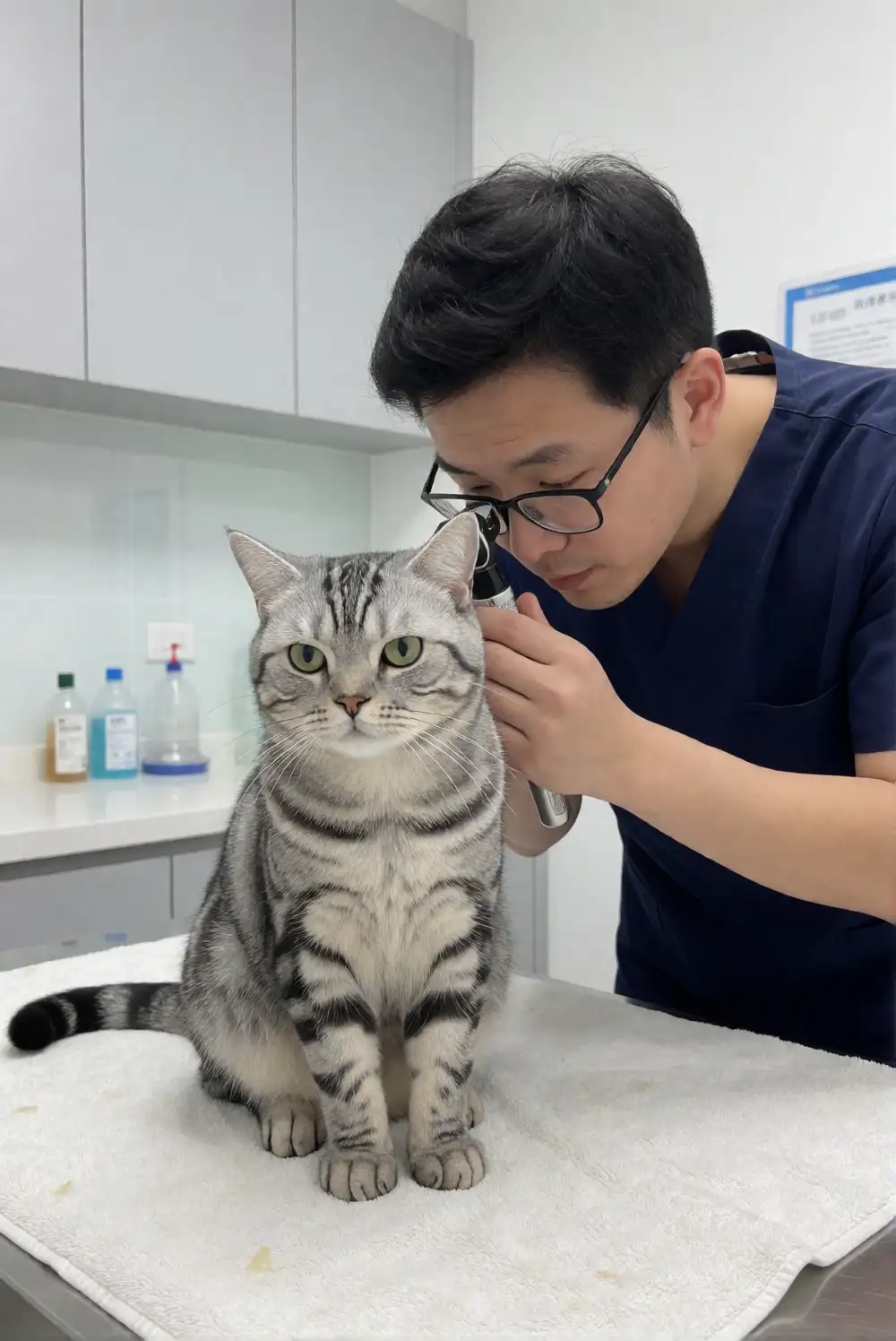
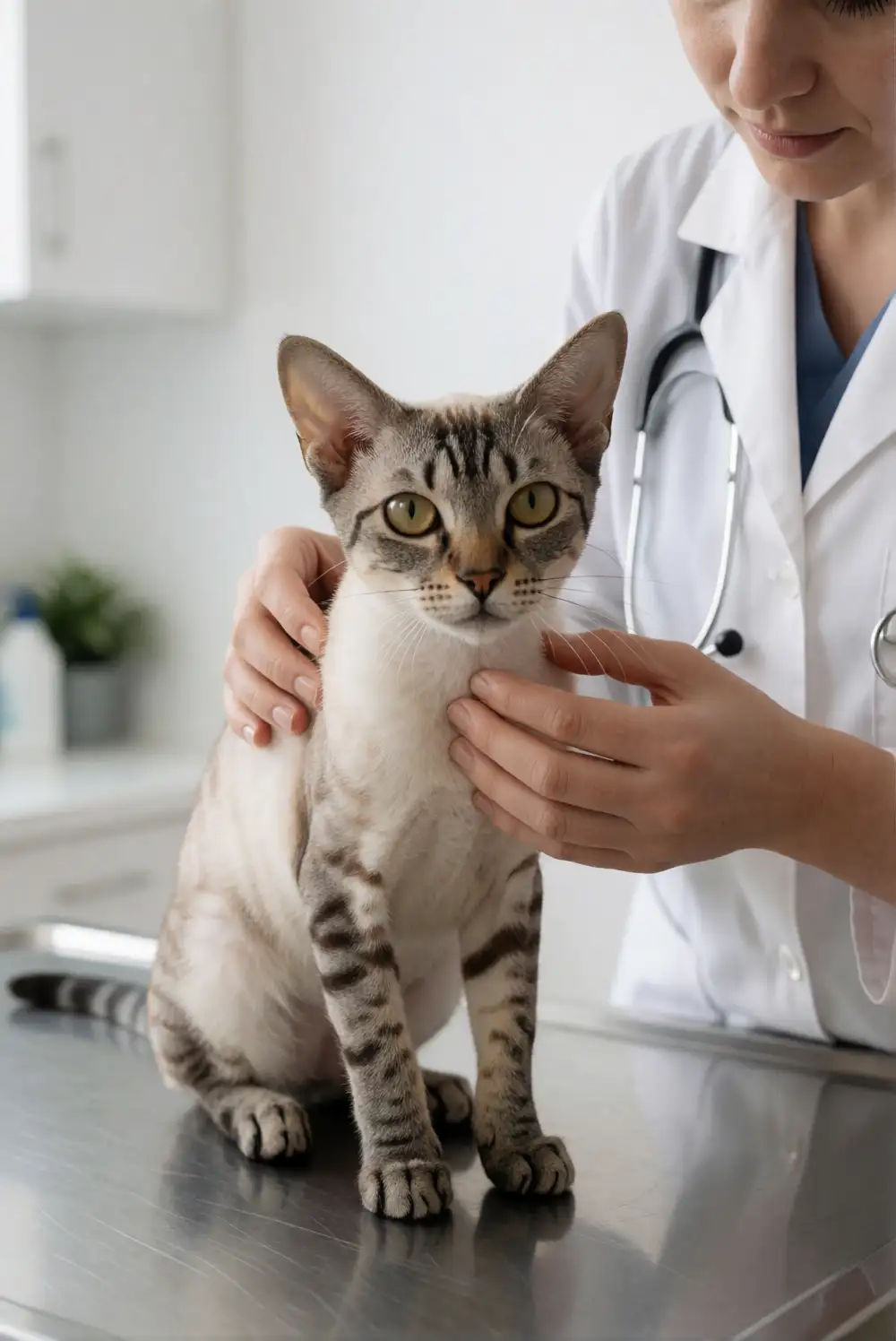
If you have concerns about your exotic cat's weight, don’t hesitate to consult your veterinarian. They can assess your cat's body condition and provide tailored advice on nutrition and weight management. Regular health check-ups also help identify any underlying health issues that may be contributing to weight problems.
Partnering with your vet ensures you’re making informed decisions regarding your cat’s diet and lifestyle.
Establishing a Healthy Weight Goal
Establishing a healthy weight goal for your exotic cat can be very beneficial. Work with your veterinarian to set realistic targets based on your cat's breed and individual characteristics. Gradual weight loss or gain is often more effective and achievable than drastic changes.
Keep track of your cat’s progress through regular weigh-ins and adjustments to their feeding or exercise schedule as needed. This proactive approach can lead to better health outcomes.
Supporting Your Exotic Cat's Mental Health
Weight management isn't solely about physical health; mental well-being is equally important. Stress can lead to changes in appetite and weight. Ensure your cat has a stimulating environment with plenty of places to explore and play.
Consider incorporating puzzle feeders or treat-dispensing toys that keep your cat engaged and mentally stimulated. This can prevent boredom eating and encourage physical activity.
Common Misconceptions About Cat Weight
There are many misconceptions about what constitutes a healthy weight for cats. For example, some believe that all cats should have a rounded belly, but this isn't accurate. A healthy cat should have a trim waist and feel firm, not soft, when you run your hands along their sides.
Educating yourself on your specific breed's body structure and healthy weight range can dispel these myths and help you better care for your exotic cat.
Monitoring Weight at Home
You can effectively monitor your cat's weight at home with a few simple steps. Weigh your cat regularly using a scale and record the results. It's also helpful to assess your cat's body condition score using visual guides available from veterinarians or online resources.
This practice will help you spot any significant changes in weight more quickly, allowing you to address potential issues sooner.
Creating a Weight Management Routine
Creating a routine for your exotic cat’s feeding and exercise can facilitate successful weight management. Set specific feeding times and stick to them, which helps regulate their metabolism. Incorporate play sessions into your daily schedule to ensure your cat gets adequate exercise.
Consistency is key in developing healthy habits for your cat, so make sure everyone in the household follows the same routine.
Engaging with the Cat Community
Connecting with other exotic cat owners can provide additional support and tips for weight management. Online forums and local cat clubs can share valuable advice and experiences that may help with your own cat’s health journey.
In addition, CatHatch features a wealth of resources and available kittens, making it a great place to connect with other cat lovers.
Frequently Asked Questions
How can I tell if my exotic cat is overweight?
Check for visible signs such as a lack of waist definition and difficulty grooming. If your cat is noticeably heavier than its breed average, consult your vet.
What should I feed my exotic cat for weight management?
Look for high-protein, low-calorie foods that are rich in meat and avoid fillers. Consult your veterinarian for specific recommendations tailored to your cat's needs.
How often should I exercise my cat?
Aim for at least 15 to 30 minutes of active play daily. Regular exercise helps maintain a healthy weight and keeps your cat engaged.
Can I help my cat gain weight safely?
Yes, consult your veterinarian for a feeding plan that encourages healthy weight gain. Increase caloric intake gradually with high-quality foods.
What is the best way to monitor my cat's weight at home?
Weigh your cat regularly on a scale and visually assess its body condition using guides. This helps spot significant weight changes early.