European Burmese Cat Behavior: What's Normal and What's Not
Understanding European Burmese Behavior
The European Burmese cat is known for its affectionate and social nature. Unlike some more aloof breeds, these cats thrive on human interaction and often become deeply attached to their families. Their behavior is characterized by a playful yet calm demeanor, making them ideal companions for both families and singles alike.
Typically, European Burmese cats display a high level of intelligence. They are curious and enjoy exploring their environments. This breed's social disposition means they often seek out attention and companionship, whether it’s from their human family or other pets.
Socialization Needs
Socialization is crucial for European Burmese cats. They tend to be more comfortable in environments where they can interact with people and other animals. Early exposure to various social situations can help them develop into well-adjusted adults. Unlike some breeds that can be solitary, European Burmese cats are known to exhibit signs of distress when left alone for extended periods.
As such, it’s important to ensure they have plenty of interaction and stimulation throughout the day. Consider adopting another cat or having a designated playtime to satisfy their social needs.
Playfulness and Energy Levels
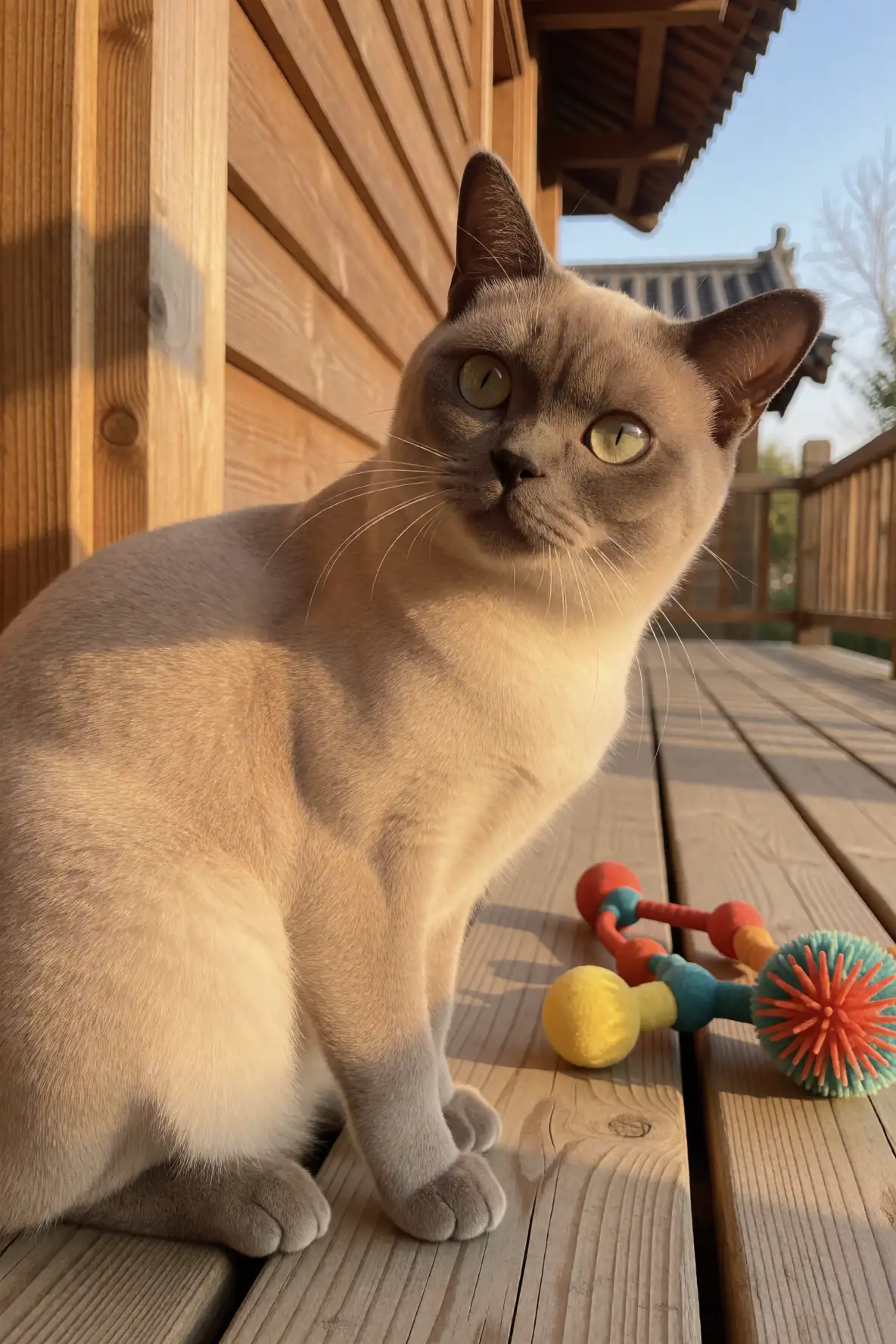
Be cautious of overstimulation, however. While they enjoy play, they can become agitated if playtime is too intense. Recognizing their cues during play will help maintain a positive experience.
Vocalizations
This breed is known for its distinctive vocalizations. European Burmese cats are quite talkative and often express their needs and desires vocally. They might meow, chirp, or purr to communicate with their owners. Understanding these sounds can enhance the bond between you and your cat.
However, excessive vocalization can indicate that your cat is feeling anxious or bored. If you notice your European Burmese becoming overly vocal without clear reason, it may be time to reassess their environment and engagement levels.
Affectionate Nature
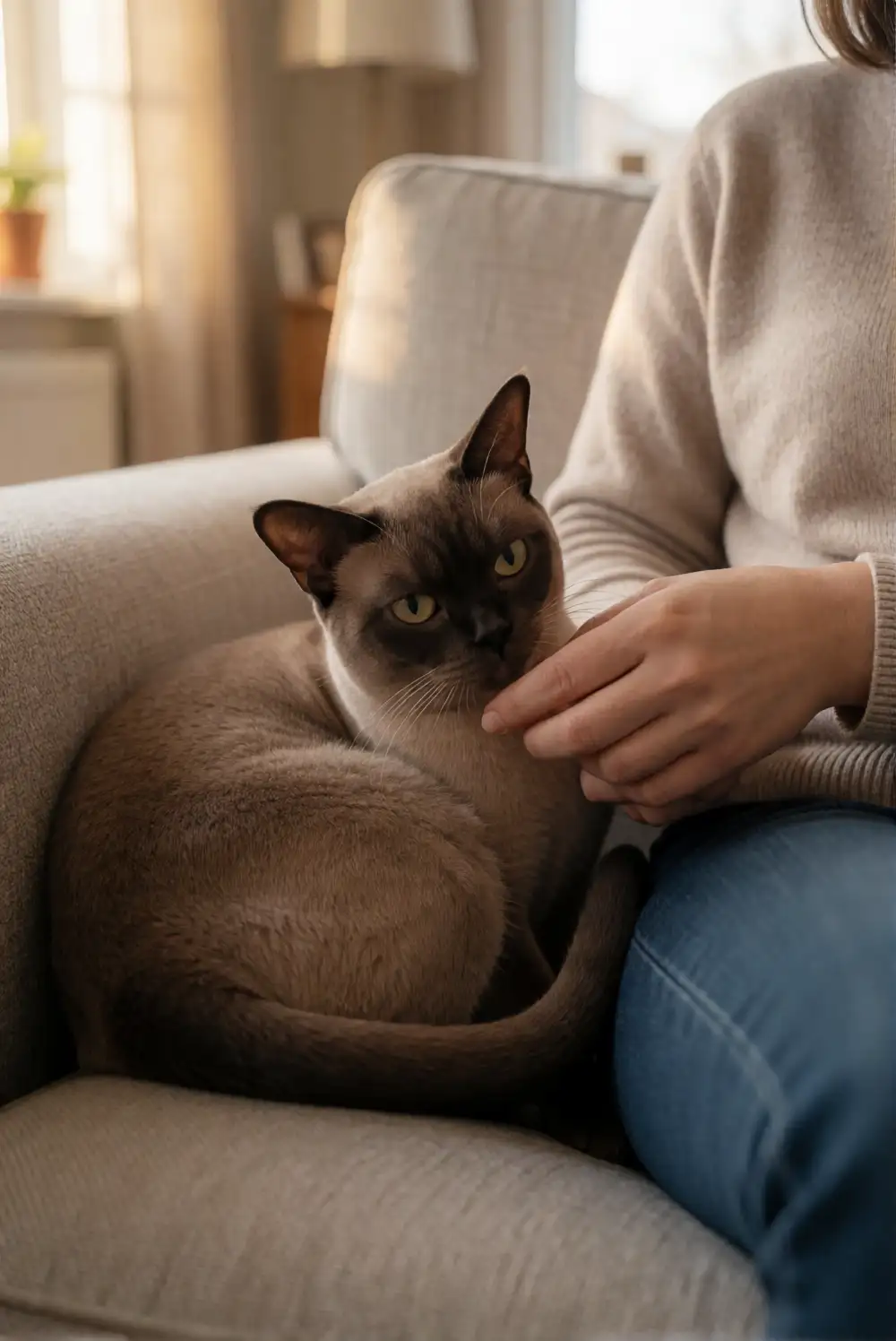
The affectionate nature of the European Burmese cat is one of its most endearing traits. They enjoy cuddling and often seek human contact by sitting on laps or curling up next to their owners. Their desire for closeness can lead them to follow you around the house, always looking for a chance to be near you.
While this behavior is normal, be mindful of any signs of distress when they are separated from you. If your cat shows behavioral changes when left alone, it might be a sign of separation anxiety.
Grooming Behavior
European Burmese cats have short, fine coats that require minimal grooming. However, they do enjoy being groomed and may actively seek out this attention. Regular brushing not only helps maintain their coat but also reinforces your bond.
While grooming is generally a positive experience, observe your cat's reactions. If they show signs of discomfort, it’s important to adjust your grooming techniques or schedule to ensure they feel safe and relaxed.
Understanding Stress Signals
Normal vs. Concerning Behavior
Training and Positive Reinforcement
Finding Support and Resources
Conclusion
Frequently Asked Questions
What is the typical temperament of a European Burmese cat?
European Burmese cats are known for their social, affectionate, and playful nature. They thrive on human interaction and enjoy being around their families.
How much exercise does a European Burmese cat need?
This breed enjoys moderate exercise through play. Engaging them in interactive games for 20-30 minutes daily is ideal to keep them mentally and physically stimulated.
Why is my European Burmese cat so vocal?
European Burmese cats are naturally talkative and use vocalizations to communicate their needs. However, excessive vocalization may indicate boredom or anxiety.
How can I reduce my European Burmese cat’s stress?
To reduce stress, create a stable environment and provide safe spaces. Engage your cat with toys and interactive play to alleviate anxiety.
Are European Burmese cats good with children and other pets?
Yes, European Burmese cats are typically good with children and other pets due to their friendly and social nature. Proper introductions are key to successful relationships.
Ready to Find Your Kitten?
Browse available kittens from verified breeders across the USA.