Understanding Norwegian Forest Cat Behavior
Norwegian Forest Cats are known for their friendly, playful, and intelligent nature. They are often described as "gentle giants" due to their robust size and affectionate demeanor. As a cat owner, recognizing what's normal behavior for your Norwegian Forest Cat can help you establish a strong bond and ensure their happiness. Understanding their quirks will also guide you in identifying behaviors that may signal underlying health or behavioral issues.
Playfulness and Energy Levels
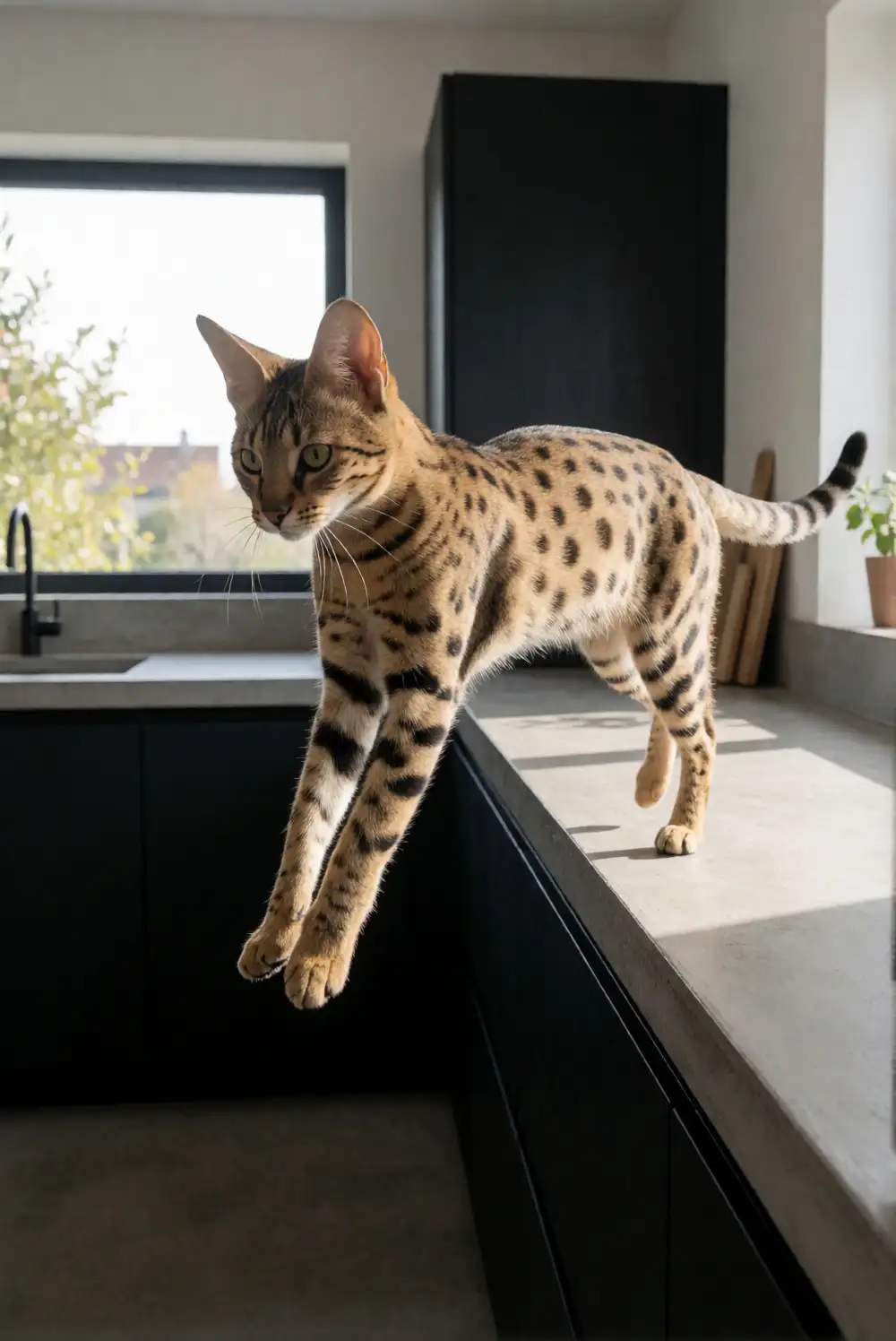
These cats are naturally playful and agile, a trait from their history as hunters in the dense forests of Norway. Daily playtime is essential for their physical and mental stimulation, and they enjoy a variety of toys and interactive play. If your Norwegian Forest Cat exhibits high energy levels, it's a good sign that they're content and engaged. However, if they suddenly become lethargic or uninterested in play, it may indicate stress or health issues.
Social Interaction
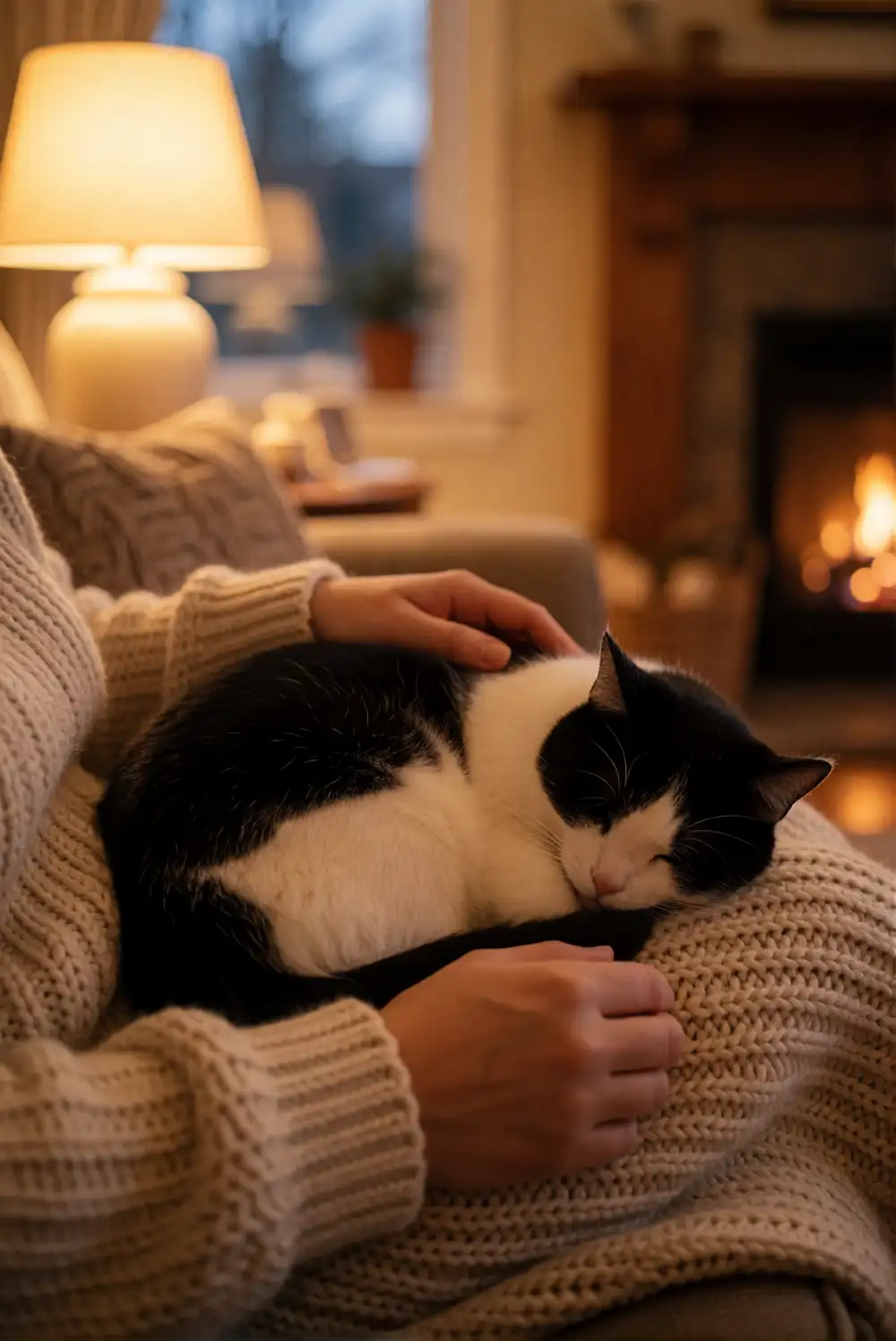
Norwegian Forest Cats are very social creatures. They thrive on companionship, whether it's with humans or other pets. Regular interaction is vital, as these cats can become lonely or anxious if left alone for extended periods. If your cat seeks out your company, initiates play, or snuggles up next to you, it's a healthy sign of their social nature. Conversely, excessive hiding or avoidance of social interaction may be a warning sign of anxiety or discomfort.
Vocalizations
While generally not as vocal as some other breeds, Norwegian Forest Cats do communicate with soft trills and chirps. These gentle sounds often indicate contentment or a desire for attention. If your cat starts yowling or making loud, distressed noises, it could signify discomfort, pain, or even territorial behavior. Pay attention to changes in vocalization patterns as they can be significant indicators of your cat's emotions and well-being.
Grooming and Self-Care
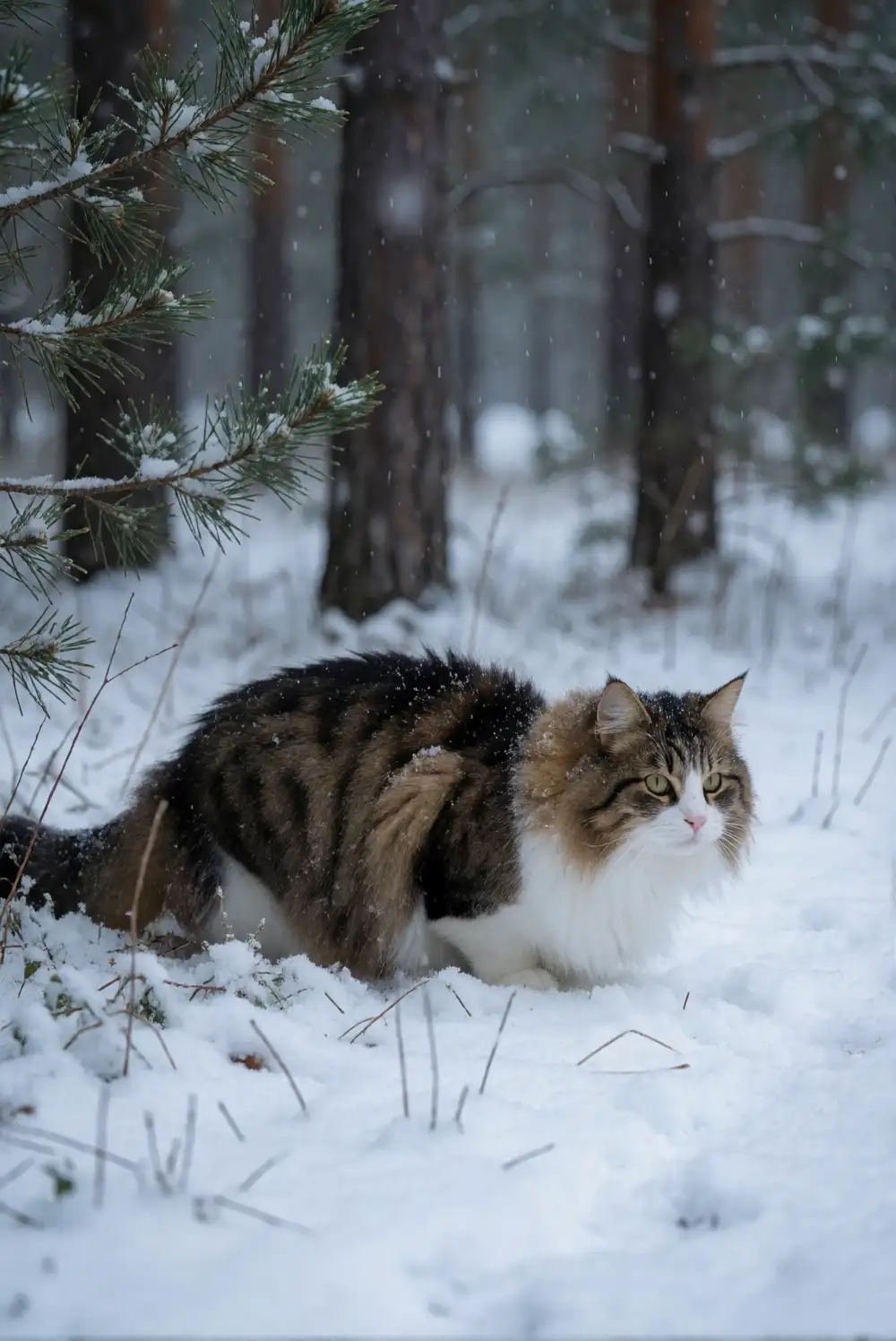
With their long, luscious fur, grooming is an essential part of a Norwegian Forest Cat's routine. They usually enjoy being brushed and will groom themselves regularly. If your cat starts neglecting their grooming habits or their coat begins to look unkempt, it could signal stress or health problems. Regular grooming also helps prevent matting and keeps their coat healthy, so make it a bonding activity!
Signs of Stress or Illness
It's crucial to be aware of signs that may indicate stress or illness in your Norwegian Forest Cat. Changes in appetite, litter box habits, or sudden aggression can all be signs that something is wrong. Other indicators include excessive grooming or hiding behavior. If you notice any drastic changes in behavior, consult with your veterinarian to rule out health issues and to ensure your cat receives the care they need.
Conclusion
Understanding the behavior of your Norwegian Forest Cat can help you provide a nurturing environment that meets their needs. By recognizing what is normal and what may require attention, you can ensure that your feline friend remains happy and healthy. Regular playtime, social interaction, and a watchful eye on their behavior will contribute to a blissful life together. Remember to always consult a veterinarian if you have concerns about your cat's health or behavior. For more about nurturing your Norwegian Forest Cat, find Norwegian Forest Cat breeders or browse Norwegian Forest kittens for sale from verified breeders on CatHatch.
Frequently Asked Questions
What is typical behavior for Norwegian Forest Cats?
Norwegian Forest Cats are known for their playful, social, and affectionate demeanor. They enjoy interactive play, socializing with family members, and exploring their environment.
How do I know if my Norwegian Forest Cat is stressed?
Signs of stress in Norwegian Forest Cats may include excessive hiding, changes in appetite, or aggressive behavior. It's important to observe any significant changes in their routine.
Can Norwegian Forest Cats be left alone?
While they are generally sociable, Norwegian Forest Cats can tolerate being alone for a few hours. However, long durations can lead to stress and anxiety.
What should I do if my cat stops grooming themselves?
If your Norwegian Forest Cat neglects grooming, it may indicate stress or health issues. Consult your veterinarian if this behavior persists.
Are Norwegian Forest Cats good family pets?
Yes, Norwegian Forest Cats tend to be gentle and friendly, making them excellent companions for families. They are known for their patience and playfulness.