Understanding the Savannah Cat
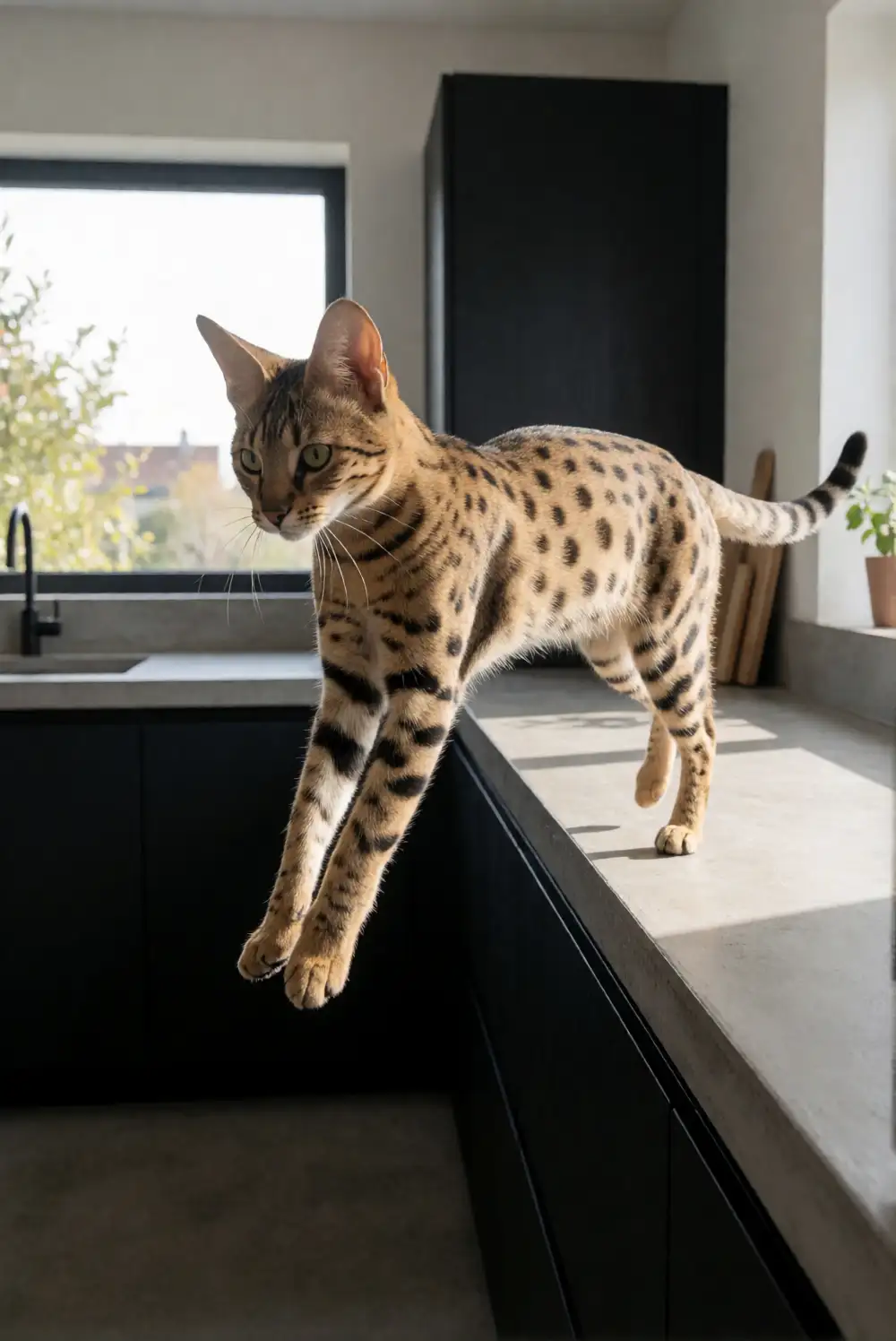
The Savannah cat, a cross between a domestic cat and a serval, is known for its striking appearance and lively personality. Originating from the African serval, these cats are energetic, curious, and often display dog-like behaviors. Understanding their behavior is crucial for any potential owner, as it helps to differentiate between normal antics and signs of distress.
Normal Savannah Cat Behavior
Savannah cats are incredibly energetic and playful, requiring ample stimulation. They thrive on interaction, not just with humans but also with other pets, making socialization crucial. Common behaviors include:
- High Energy Levels — Savannahs are known to be active and love to jump around.
- Vocalizations — They often communicate through various sounds, including chirps and meows.
- Affectionate Nature — Many Savannahs enjoy cuddling, but they may also show independence.
Playfulness and Stimulation
Being highly intelligent, Savannah cats require mental and physical stimulation to keep them occupied. It’s normal for them to engage in:
- Interactive Play — They love toys that mimic hunting, such as feather wands or laser pointers.
- Climbing — These cats often enjoy climbing to high places, so cat trees are essential.
Signs of Stress or Anxiety
While Savannah cats are generally social, certain behaviors can indicate stress or anxiety:
- Excessive Hiding — If your cat is hiding more than usual, it can signal discomfort.
- Aggression — Sudden aggression towards you or other pets may indicate fear or stress.
- Destructive Behavior — Chewing or scratching excessively can be a sign of boredom or anxiety.
Understanding Body Language
Observing your Savannah's body language can provide insight into their emotional state. Common signals include:
- Tail Position — A high tail usually indicates happiness, while a low tail can mean fear.
- Ear Position — Forward-facing ears show curiosity, while flattened ears might indicate annoyance.
When to Seek Help
If your Savannah cat is displaying unusual behaviors that concern you, it may be time to consult with a veterinarian or animal behaviorist. Signs that warrant professional help include:
- Changes in Eating Habits — A sudden increase or decrease in appetite can be concerning.
- Litter Box Issues — Avoiding the litter box may indicate stress or health issues.
Frequently Asked Questions
What is the typical behavior of a Savannah cat?
Savannah cats are known for their playful and energetic nature. They are very social and thrive on interaction with both humans and other animals.
How can I tell if my Savannah cat is happy?
A happy Savannah cat often shows affection, plays actively, and has a relaxed body posture. They may purr and seek out attention from you.
What are common signs of stress in Savannah cats?
Common signs of stress include hiding more than usual, aggression, excessive grooming, and changes in eating or litter box habits.
Can Savannah cats be trained?
Yes, Savannah cats are quite intelligent and can be trained to perform tricks or use a litter box consistently. Positive reinforcement works well.
What toys do Savannah cats like?
They enjoy toys that stimulate their hunting instincts, such as feather wands, laser pointers, and puzzle feeders that dispense treats.
Should I get a companion for my Savannah cat?
While Savannah cats are social, the decision depends on your cat's personality. If they enjoy company, another pet can provide additional stimulation and companionship.