Understanding the Cheetoh Breed
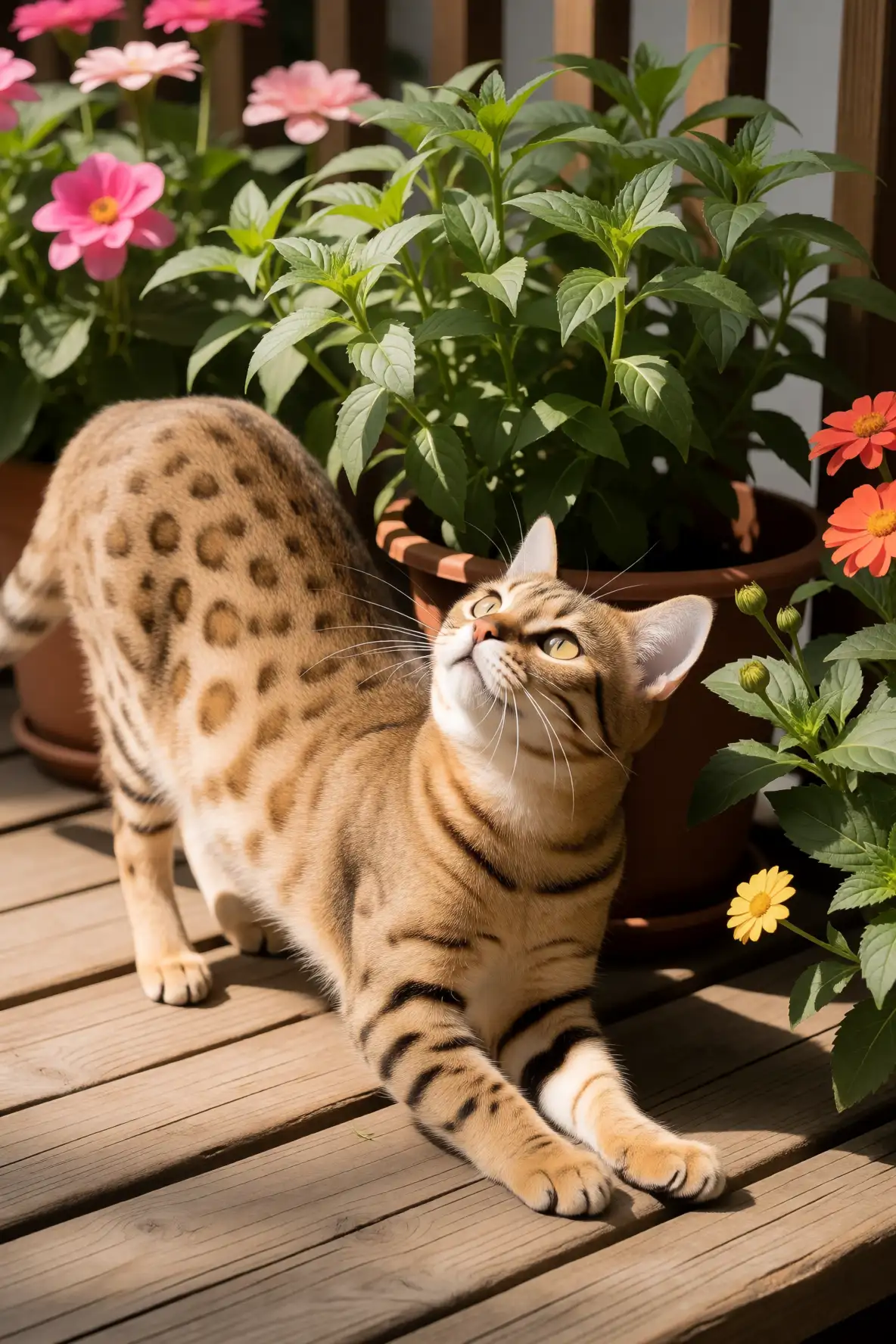
The Cheetoh cat is a unique hybrid breed, known for its striking appearance and playful personality. This breed is a cross between a Bengal and an Ocicat, resulting in a medium to large-sized cat with a muscular build and a beautiful spotted coat. While they are generally healthy, Cheetohs can be prone to certain health issues that every owner should be aware of.
Heart Disease
Hypertrophic Cardiomyopathy (HCM) is a condition that affects many cat breeds, including Cheetohs. This heart disease causes thickening of the heart muscle, which can lead to heart failure. Regular veterinary check-ups and screenings can help in early detection of this condition. Owners should be attentive to symptoms such as lethargy, difficulty breathing, or sudden changes in behavior.
Obesity
Cheetohs are active cats, but they can easily become overweight if not given enough exercise or fed improperly. Obesity can lead to various health problems, including diabetes and joint issues. To prevent obesity, provide a balanced diet and encourage playtime. Monitoring their weight regularly can help keep them healthy.
Dental Issues
Like many cats, Cheetohs are susceptible to dental problems, including periodontal disease. Regular dental care, including brushing their teeth and providing dental treats, can help prevent these issues. Be on the lookout for bad breath, difficulty eating, or inflamed gums, as these may indicate dental problems that require veterinary attention.
Respiratory Issues
Cheetohs can experience respiratory issues due to their short muzzles and facial structure. Conditions such as asthma or bronchial disease can occur. Signs of respiratory problems include coughing, wheezing, or labored breathing. If you notice these symptoms, consult your veterinarian promptly for assessment and treatment options.
Skin Allergies
Some Cheetohs may develop skin allergies, which can manifest as itchy skin, redness, or rashes. Identifying the allergen, whether it be food, pollen, or flea bites, is crucial in managing the condition. Regular grooming and keeping their environment clean can help minimize allergens. Consult your vet for appropriate treatments if allergies are suspected.
Urinary Tract Issues
Urinary tract problems, including urinary crystals or bladder stones, can affect Cheetohs. Symptoms such as straining to urinate, blood in urine, or frequent trips to the litter box should not be ignored. A proper diet and plenty of water can help prevent these issues. Regular veterinary check-ups are also essential for maintaining urinary health.
Eye Problems
Cheetoh cats may be prone to certain eye conditions, such as conjunctivitis or corneal ulcers. Owners should monitor their cats for any signs of eye irritation, such as squinting, redness, or excessive tearing. If any of these symptoms appear, a visit to the vet is necessary for a proper diagnosis and treatment.
The Importance of Regular Vet Visits
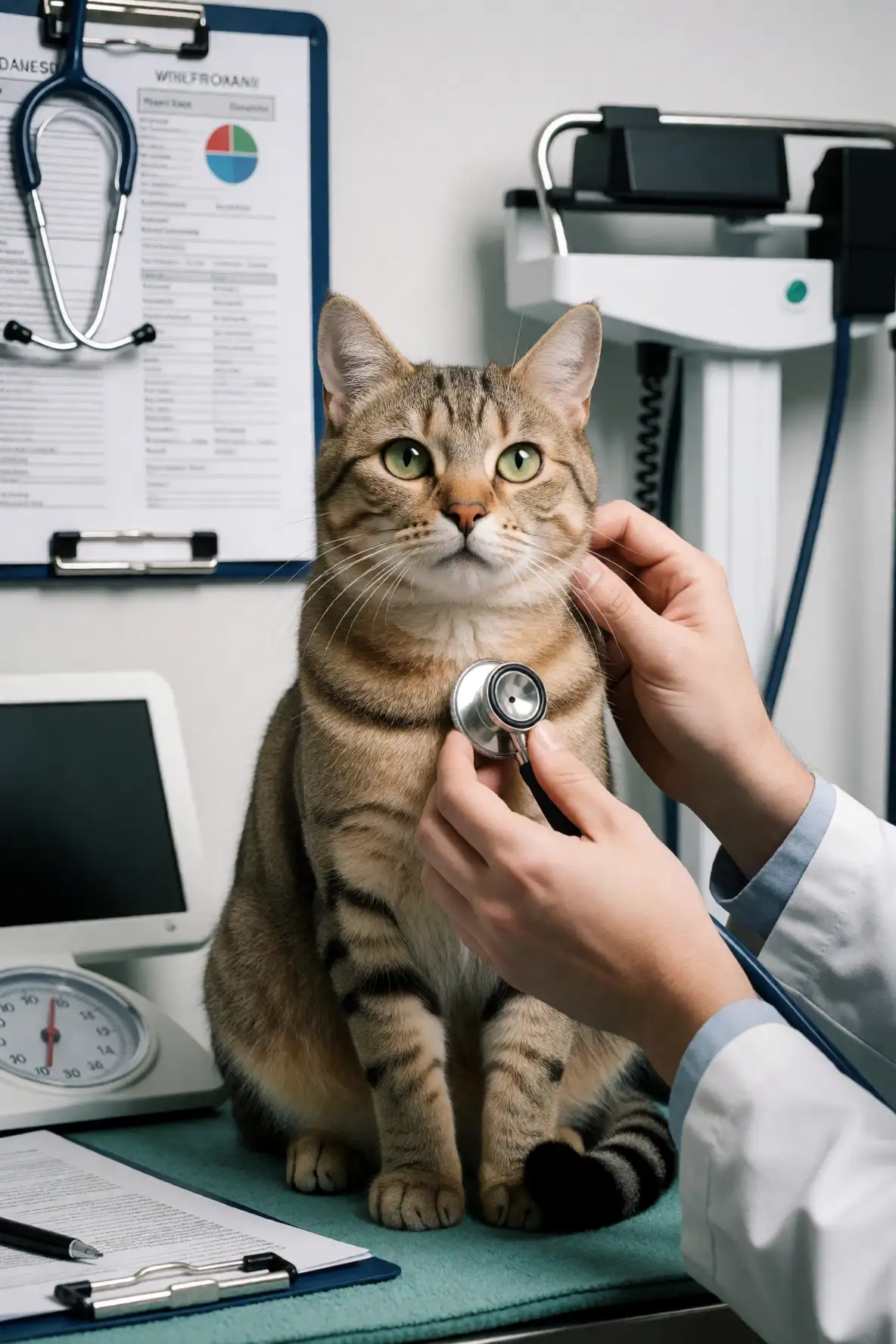
Routine veterinary care is crucial for maintaining your Cheetoh's health. Regular check-ups not only help in early diagnosis of potential health issues but also provide opportunities for vaccinations and preventive care. Ensure that your veterinarian is familiar with the specific health concerns of the Cheetoh breed for comprehensive care.
Nutrition and Diet
A well-balanced diet is key to keeping your Cheetoh healthy. Look for high-quality cat food that provides all necessary nutrients, particularly those rich in protein and low in fillers. Consult your veterinarian for recommendations tailored to your Cheetoh's specific needs, including age and activity level.
Exercise and Mental Stimulation
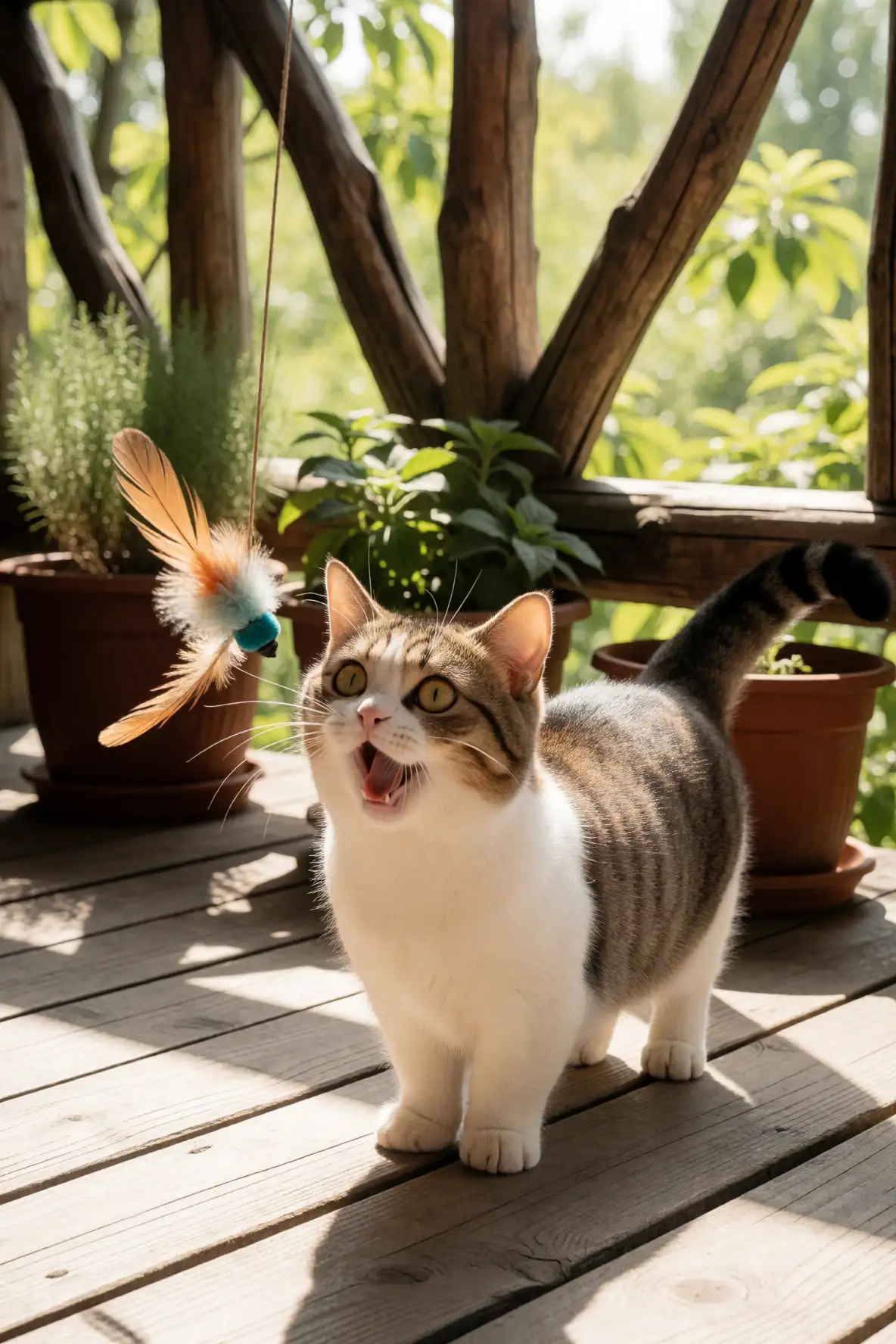
Keeping your Cheetoh active is vital for their physical and mental health. Engage them with interactive toys, climbing structures, and regular playtime to keep them stimulated. Boredom can lead to destructive behaviors, so providing a variety of activities is essential for their well-being.
Grooming Needs
Cheetohs have a short coat that requires minimal grooming. However, regular brushing helps reduce shedding and maintain a healthy coat. Additionally, grooming sessions can be an excellent opportunity to check for any unusual lumps or skin issues, which should be reported to your veterinarian.
Socialization and Training
Cheetohs are known for their friendly and social nature. Early socialization and training are important to ensure they develop well-rounded personalities. Positive reinforcement techniques work best with this breed, as they respond well to praise and rewards for good behavior.
Final Thoughts on Cheetoh Health
Understanding the common health issues that Cheetoh cats may face helps owners provide the best care possible. By being proactive and attentive to their needs, you can help ensure a long, healthy, and happy life for your furry friend. Remember to browse available kittens or breeders on CatHatch to find a Cheetoh that fits your family.
Frequently Asked Questions
What health problems are Cheetoh cats known for?
Cheetoh cats can face various health issues, including hypertrophic cardiomyopathy, obesity, dental problems, respiratory issues, skin allergies, urinary tract problems, and eye conditions.
How can I prevent obesity in my Cheetoh?
Preventing obesity in Cheetohs involves providing a balanced diet, monitoring their caloric intake, and ensuring they get regular exercise through play and interaction.
What should I feed my Cheetoh for optimal health?
A high-quality cat food rich in protein and low in fillers is best for Cheetohs. Consult your veterinarian for personalized dietary recommendations based on your cat's age and activity level.
How often should I take my Cheetoh to the vet?
Routine veterinary check-ups should be scheduled at least once a year; however, more frequent visits may be necessary for older Cheetohs or those with existing health conditions.
What are the signs of dental problems in Cheetohs?
Signs of dental issues in Cheetohs include bad breath, difficulty eating, swollen or bleeding gums, and excessive drooling. Regular dental care can help prevent these problems.