Understanding the Abyssinian Breed
The Abyssinian cat is known for its striking appearance and playful personality. They are medium-sized cats with a ticked coat that gives them a unique color pattern. Abyssinians are active, intelligent, and require mental stimulation and physical exercise. However, like all breeds, they can be prone to certain health issues that every owner should be aware of.
Gingivitis and Dental Problems
Abyssinians are susceptible to dental issues, particularly gingivitis. This inflammation of the gums can lead to painful conditions if not treated. Regular dental check-ups and cleanings are essential to prevent tartar buildup and maintain oral health. Owners should also consider providing dental treats or toys to help keep their cat's teeth clean.
Hypertrophic Cardiomyopathy (HCM)
Hypertrophic Cardiomyopathy is a common heart condition in cats, including Abyssinians. This genetic condition causes the heart muscles to thicken, leading to potential heart failure. Regular veterinary check-ups and echocardiograms can help detect HCM early. If your Abyssinian shows signs of lethargy or difficulty breathing, consult your vet immediately.
Kidney Disease
Kidney disease is another health concern for Abyssinians, particularly as they age. Symptoms may include increased thirst, frequent urination, and weight loss. Regular blood tests can help monitor kidney function and catch any potential problems early. Feeding a high-quality diet and ensuring your cat stays hydrated can also support kidney health.
Hyperthyroidism
Hyperthyroidism is a common endocrine disorder in older cats, including Abyssinians. It occurs when the thyroid gland produces excessive hormones, leading to symptoms like increased appetite, weight loss, and hyperactivity. Regular veterinary check-ups can help monitor thyroid levels. Treatments include medication, diet changes, or even surgery in severe cases.
Eye Conditions
Abyssinians can be prone to certain eye conditions, such as cataracts or progressive retinal atrophy (PRA). Regular eye examinations are important to catch any issues early. Symptoms to watch for include cloudy eyes, squinting, or changes in vision. If you notice any of these signs, consult your veterinarian for an evaluation.
Skin Conditions
Skin issues, including dermatitis and allergies, can affect Abyssinians. These cats may experience reactions to certain foods or environmental factors like pollen or dust mites. Regular grooming can help keep their coat healthy, and any unusual itching or redness should be investigated by a veterinarian.
Nutrition and Weight Management
Maintaining a healthy weight is crucial for Abyssinians to prevent obesity-related health problems. Provide a balanced diet that meets their nutritional needs, and monitor their food intake. Regular exercise through playtime helps keep them fit and engaged. Owners can browse available kittens or breeders on CatHatch to find a healthy Abyssinian.
Regular Veterinary Care
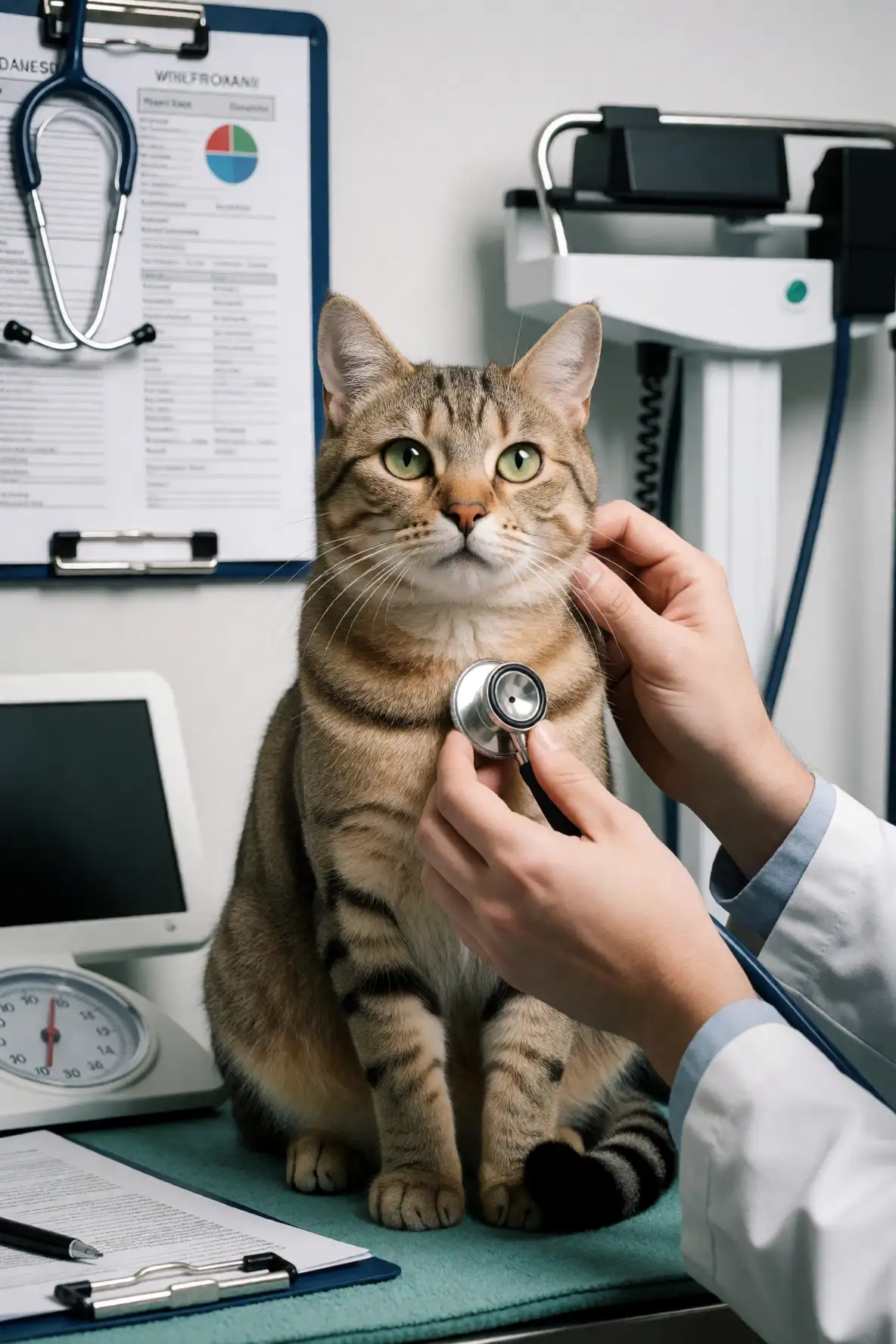
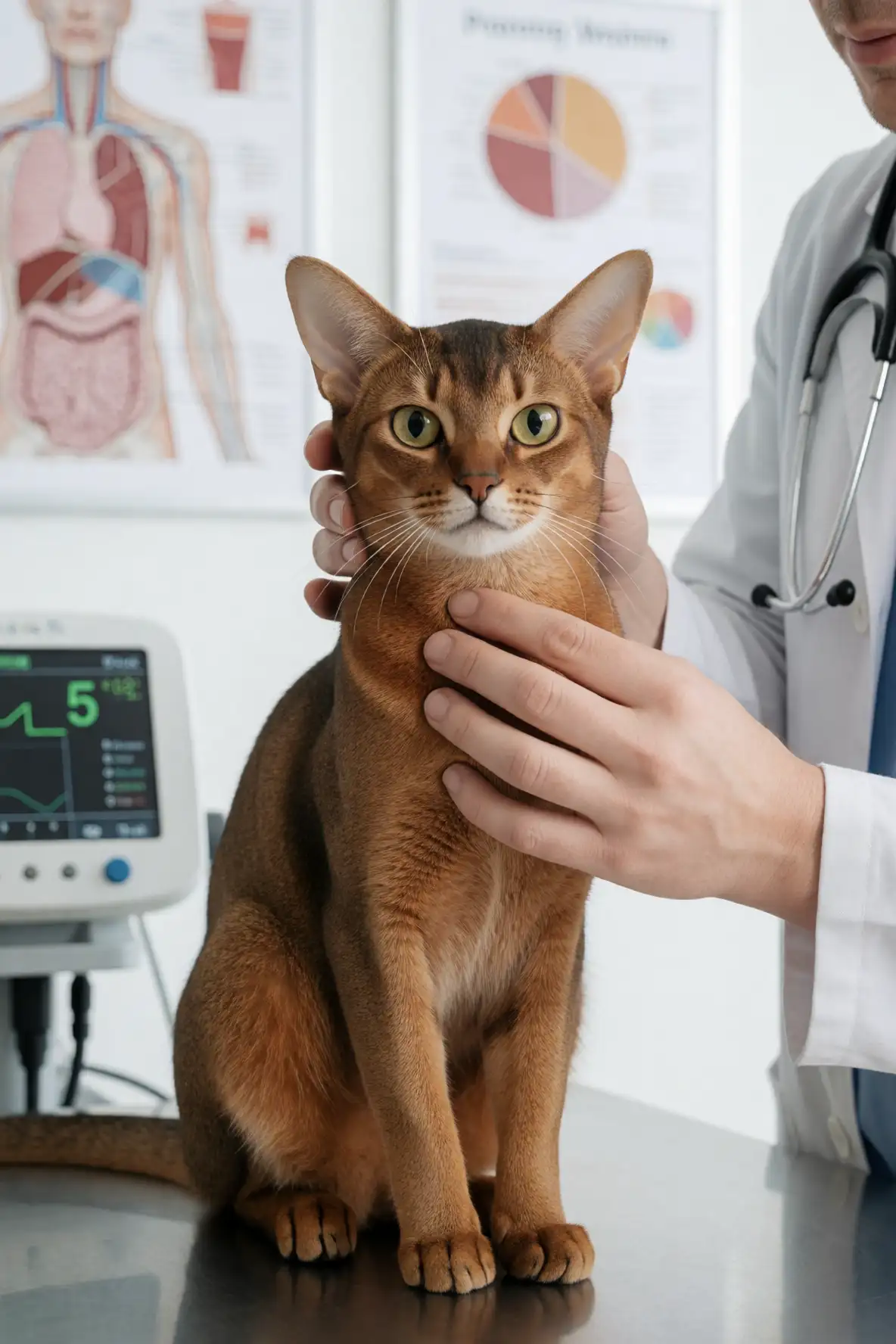
Regular veterinary visits are vital for the overall health of your Abyssinian. Annual check-ups allow for early detection of health issues and ensure that vaccinations are up to date. Discuss any concerns with your veterinarian to keep your cat healthy and happy.
Stress Management
Abyssinians are sensitive to changes in their environment, which can lead to stress and anxiety. Providing a stable home environment and gradual introductions to new pets or family members can help mitigate stress. Consider using calming products or techniques if you notice signs of anxiety in your cat.
Monitoring Behavior
Pay close attention to your Abyssinian’s behavior, as changes can indicate health issues. Sudden changes in appetite, energy levels, or litter box habits should prompt a visit to the vet. Keeping a journal of your cat’s health and behavior can be helpful for veterinary appointments.
Conclusion
Being aware of common health problems in Abyssinians can help you provide the best care for your feline friend. Regular veterinary visits, a balanced diet, and an attentive home environment can all contribute to your cat's health and happiness. If you're considering bringing an Abyssinian into your home, explore the available kittens on CatHatch to find a healthy companion.
Frequently Asked Questions
What are common health issues for Abyssinians?
Abyssinians are prone to gingivitis, hypertrophic cardiomyopathy, kidney disease, and hyperthyroidism, among other conditions. Regular veterinary check-ups can help catch these issues early.
How can I prevent dental problems in my Abyssinian?
Regular dental care, including professional cleanings and providing dental treats, can help prevent dental issues like gingivitis in your Abyssinian.
Is hyperthyroidism common in older Abyssinians?
Yes, hyperthyroidism is a common condition in older cats, including Abyssinians. Regular check-ups can help monitor thyroid function and catch any problems early.
How can I keep my Abyssinian at a healthy weight?
Provide a balanced diet, monitor food intake, and ensure regular exercise through playtime to maintain a healthy weight for your Abyssinian.
What should I do if my Abyssinian shows signs of stress?
If your Abyssinian appears stressed, create a stable environment and gradually introduce any changes. Consult your veterinarian for additional strategies to manage anxiety.