Understanding the Nutritional Needs of Persian Kittens
Persian kittens are known for their striking long fur, sweet personalities, and gentle temperaments. They require a special diet to support their growth and development, ensuring they remain healthy and active. Persian kittens thrive on high-quality, nutrient-dense food that meets their unique needs as they grow. Feeding them the right food at the right age is crucial to their overall health.
Feeding Chart by Age
Each stage of a Persian kitten’s life requires different nutritional guidelines. Below is a comprehensive feeding chart aimed at helping you choose the right food for your Persian kitten as they grow.
0-4 Weeks: Nursing Stage
- Mother’s Milk — Essential for providing antibodies and nutrients.
- Kitten Milk Replacement Formula — Use if the mother is unavailable, high in calories and nutrients.
4-12 Weeks: Transition to Solid Food
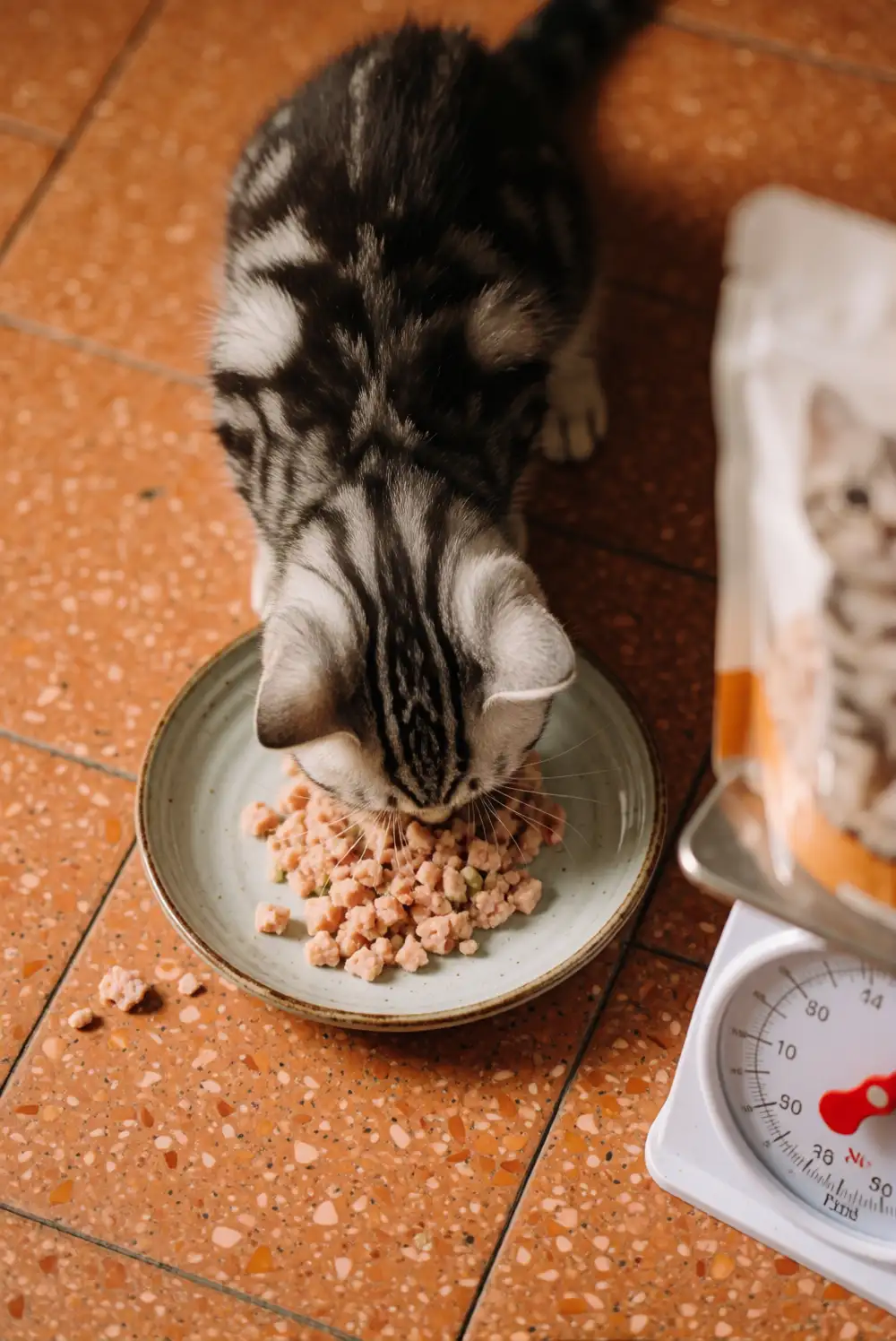
- High-Quality Kitten Food — Choose wet or dry food specifically formulated for kittens.
- Softened Dry Kibble — Mix with water or formula to make it easier to chew.
3-6 Months: Growing Stage
- High-Protein Diet — Look for kitten food with at least 30% protein to support growth.
- Frequent Meals — Feed 3-4 small meals a day to meet energy needs.
6-12 Months: Continued Growth
- Kitten-Specific Food — Continue with high-calorie food to support development.
- Regular Feeding Schedule — Transition to 2-3 meals a day.
12 Months and Beyond: Adult Food Transition
- Transition to Adult Food — At 12 months, gradually shift to adult Persian cat food.
- Monitor Weight — Adjust portion sizes to maintain a healthy weight.
Important Considerations
When feeding your Persian kitten, keep the following considerations in mind:
- Always provide fresh, clean water alongside their food.
- Choose high-quality brands that are free from fillers and artificial ingredients.
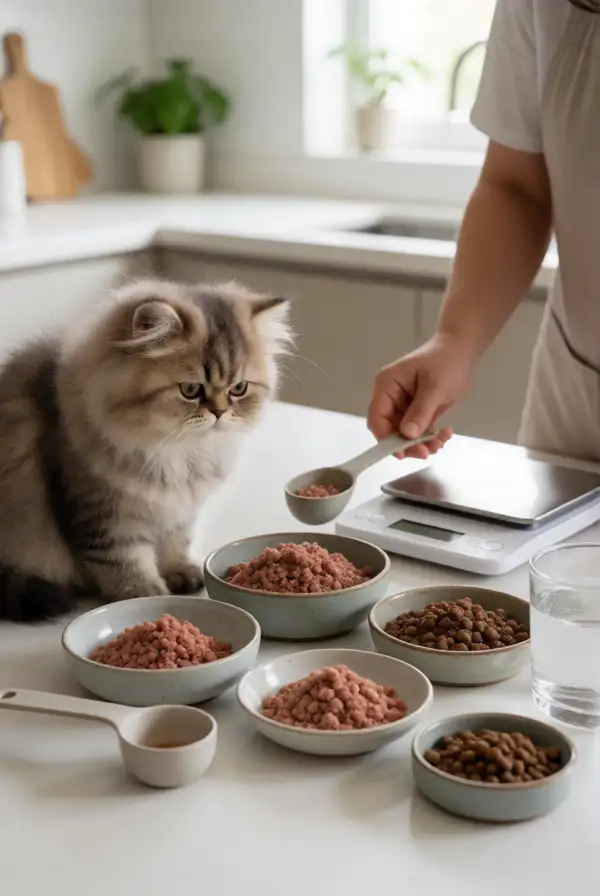
- Observe your kitten’s weight and adjust food portions as necessary to avoid obesity.
Common Feeding Mistakes to Avoid
Feeding a Persian kitten can come with challenges. Here are some common mistakes to avoid:
- Overfeeding or underfeeding based on inaccurate portion sizes.
- Not adjusting the diet as they grow—kittens have different needs than adults.
- Neglecting dental health, which can be supported by dry food.
Frequently Asked Questions
What should I feed my Persian kitten?
Feed your Persian kitten high-quality, nutrient-dense kitten food that is rich in protein. Wet and dry food options are available, but ensure they are specially formulated for kittens.
How often should I feed my Persian kitten?
During the first few months, feed your Persian kitten 3-4 times a day. As they grow into adulthood, you can reduce the frequency to 2-3 meals daily.
Is wet food better than dry food for Persian kittens?
Both wet and dry foods can be beneficial, but wet food helps with hydration and is often easier for kittens to chew. A combination of both may offer balanced nutrition.
When should I start transitioning my Persian kitten to adult food?
Begin transitioning to adult food around 12 months of age. Gradually mix in adult food with their current kitten food to avoid digestive issues.
Can I give my Persian kitten treats?
Yes, but treats should be given sparingly and should be formulated specifically for kittens to ensure they are appropriate for their age and size.
By providing your Persian kitten with the right nutrition at each stage of their development, you'll help them grow into a healthy, happy adult cat. For more options, consider browsing available kittens and finding Persian breeders on CatHatch.