Preparing Your Home
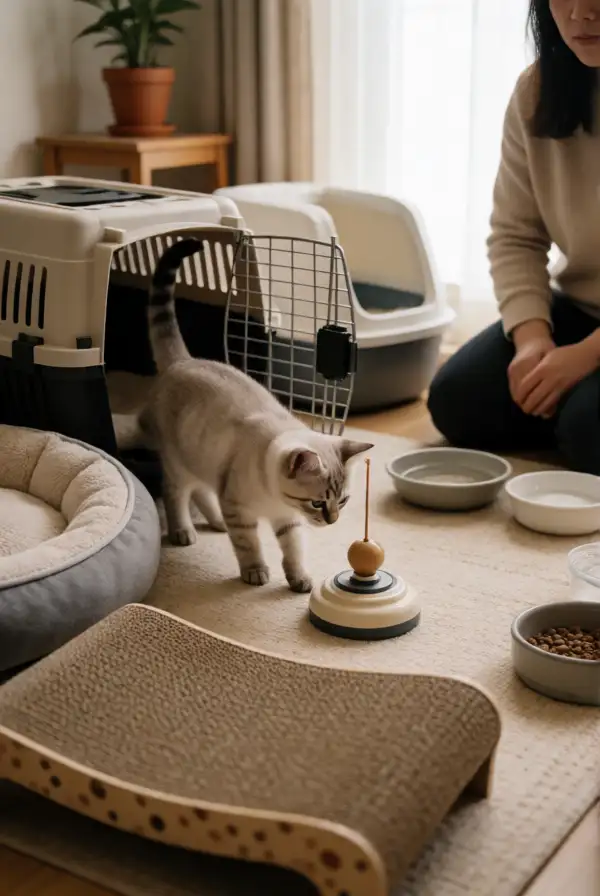
Before your new polydactyl kitten arrives, it’s essential to create a welcoming environment. Start by kitten-proofing your home: secure loose wires, remove toxic plants, and make sure windows are securely screened. Designate a safe space where your kitten can feel secure and explore at their own pace.
Essential Supplies
Gather all necessary supplies, including a litter box, high-quality kitten food, feeding bowls, a scratching post, toys, and a cozy bed. Don't forget to invest in a proper vet-approved carrier for trips to the veterinarian. This preparation will make your first days with your new kitten much smoother.
Introducing Your Kitten
When your polydactyl kitten arrives, let them adjust at their own pace. Allow them to explore their new surroundings while observing from a distance. Gradually introduce them to family members and other pets, ensuring that interactions are gentle and supervised.
Establishing a Routine
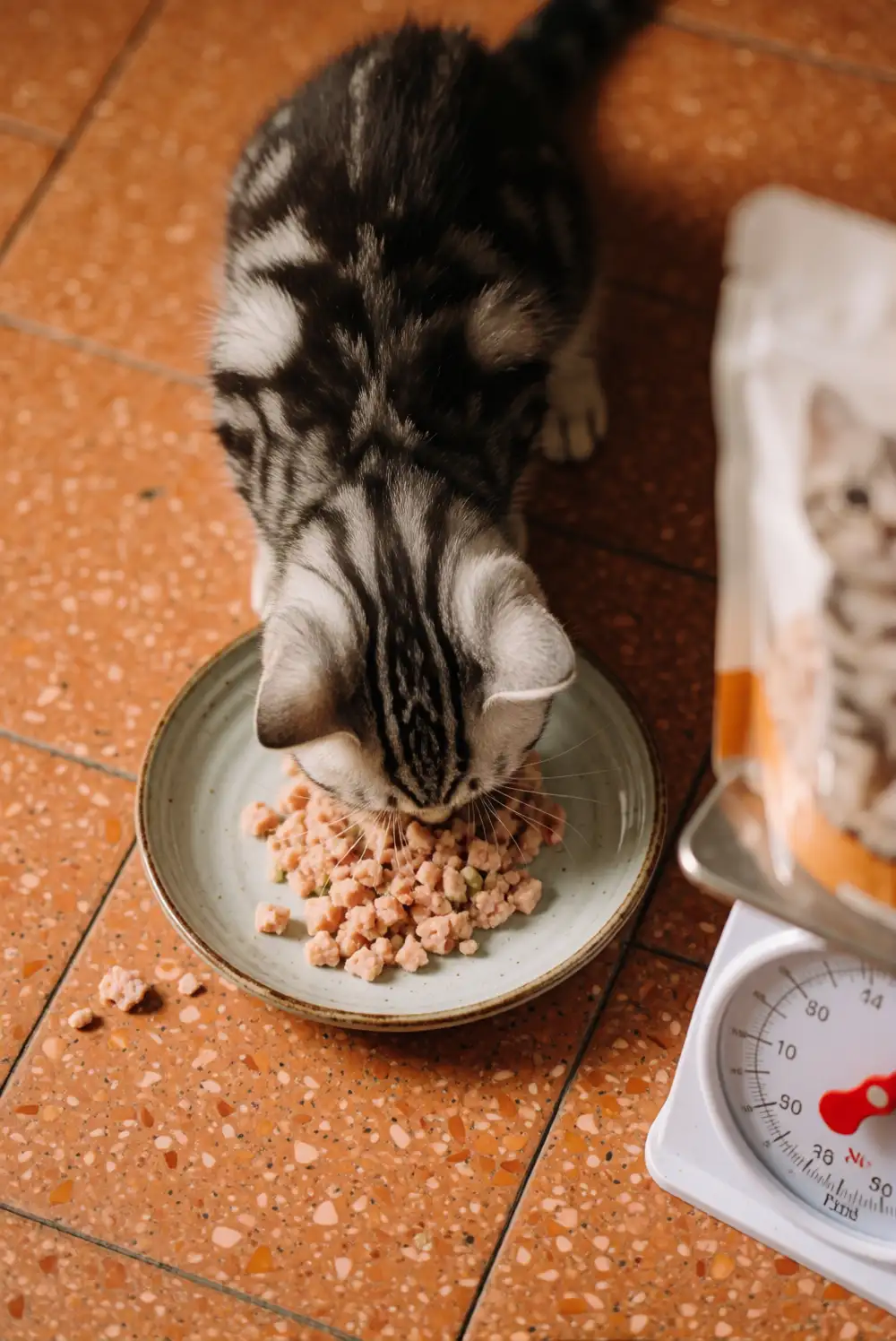
Kittens thrive on routine, so establish a consistent feeding, play, and litter box schedule. This will help your new furry friend understand what to expect each day. Keep note of their eating habits and behavior, as this can provide important information for your veterinarian.
Health Check and Vet Appointment
Schedule a veterinary checkup within the first week of bringing your polydactyl kitten home. The vet will assess their health, provide vaccinations, and discuss spaying or neutering options. It’s crucial to ensure your kitten is healthy and to establish a vaccination schedule early on.
Socialization and Playtime
During the first month, focus on socializing your kitten through gentle handling and play. Encourage exploration and curiosity with interactive toys that stimulate their hunting instincts. Polydactyl kittens may exhibit unique play styles due to their extra toes, so take notes on what engages them most.
Monitoring Behavior
Keep an eye on your kitten’s behavior in the first 30 days. Look out for signs of stress or health issues, such as changes in eating habits or lethargy. Early detection of any problem will help ensure your kitten grows into a healthy adult cat.
Frequently Asked Questions
What is a polydactyl kitten?
A polydactyl kitten has more toes than the usual five on each front paw and four on each back paw, often giving them a unique appearance and claw functionality.
Are polydactyl cats more prone to health issues?
Generally, polydactyl cats are healthy, but it’s essential to have regular vet checkups to monitor their unique paw structure for potential complications.
How can I help my polydactyl kitten adjust?
Provide a safe space, maintain a routine, and gradually introduce them to the household. Offering plenty of interactive play will also help them feel comfortable.
What type of food is best for a polydactyl kitten?
High-quality kitten food specifically formulated for their nutritional needs is essential during their growth phase. Look for brands with high protein content.
Do polydactyl cats require special care?
While they do not require special care solely due to their extra toes, regular nail trimming and paw checks are important to maintain their foot health.
How can I socialize my polydactyl kitten?
Engage in gentle play, introduce them to various activities, and expose them to different environments at a young age to foster good social skills.