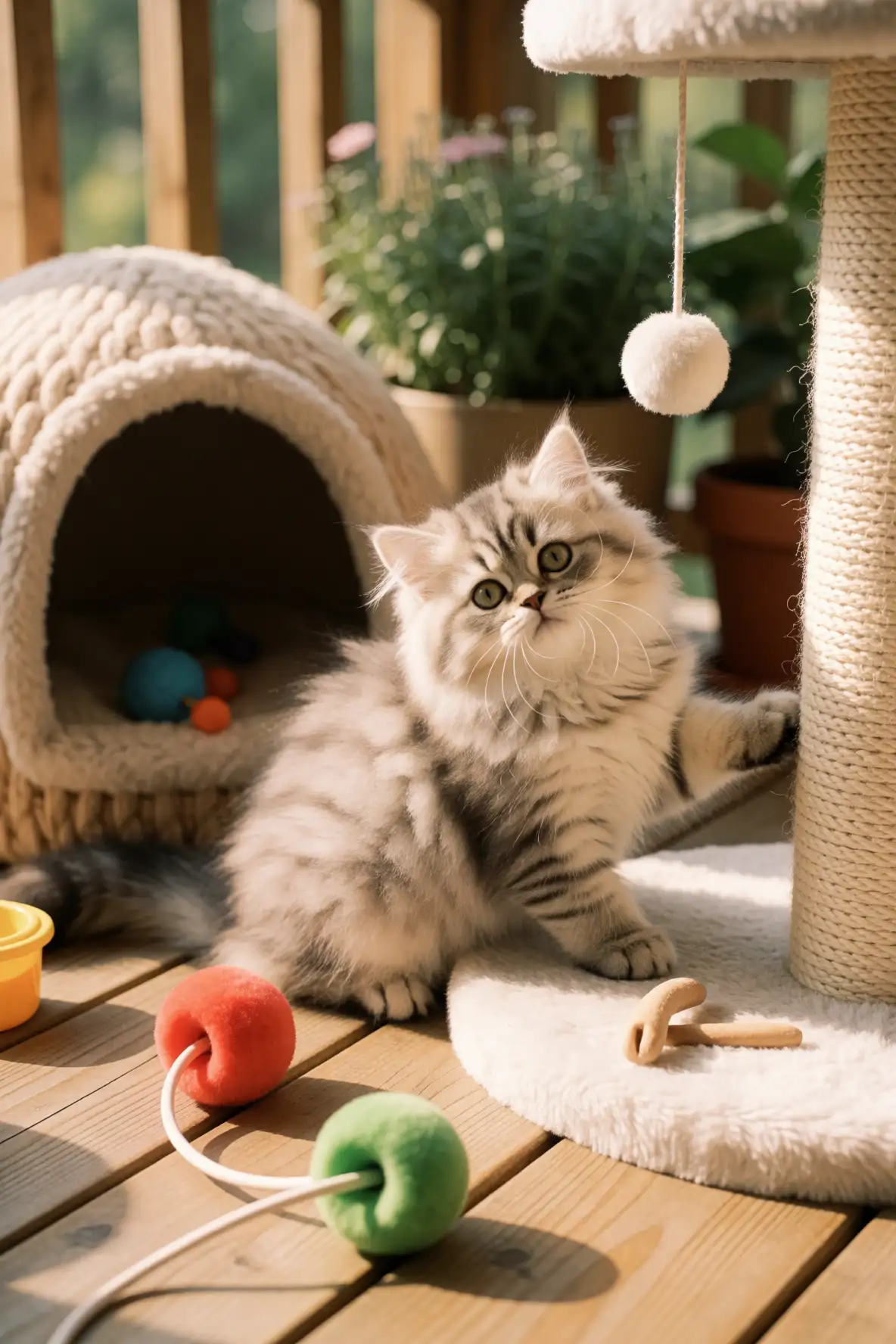
Understanding Kitten Growth Stages
The journey of a kitten's growth is both fascinating and crucial for their development. From the moment they are born to their first birthday, kittens undergo significant changes. Being aware of these growth stages helps you provide the appropriate care and support for your furry friend.
Newborn Stage (0-2 Weeks)
Newborn kittens are incredibly tiny, typically weighing between 3.5 to 4 ounces at birth. During this stage, they are completely dependent on their mother for warmth and nutrition. Their eyes and ears will remain closed, and they will spend most of their time sleeping and nursing.
Transitional Stage (2-4 Weeks)
As kittens reach the two-week mark, they begin to open their eyes and ears. By three weeks, they start to crawl and even attempt to stand. This is an exciting time as they begin to explore their surroundings and engage with their littermates. Encourage playtime to help build their coordination.
Socialization Stage (4-8 Weeks)
From four to eight weeks, kittens become more playful and social. They learn important behaviors through interaction with their siblings and mother. This stage is critical for social development; exposing them to different people, environments, and gentle handling is vital.
Weaning and Eating Solid Food (4-6 Weeks)
This is the stage where kittens transition from nursing to eating solid food. Begin introducing high-quality kitten food, soaked in water to make it easier for them. By six weeks, they should be fully weaned, and their nutritional needs shift significantly to solid food.
Kittenhood (2-6 Months)
During the kittenhood phase, which spans from two to six months, kittens experience rapid growth. They will become more active, learning to run, jump, and engage in playful behavior. It's important to provide them with plenty of toys and stimulation to satisfy their curiosity and energy.
Adolescent Stage (6-12 Months)
As kittens enter adolescence, they may become more independent and assertive. This is the time when they start to establish their personalities. They will need regular playtime, training sessions, and socialization to ensure they grow into well-adjusted adult cats.
Physical Changes
Kittens grow quickly during their first year. By the time they reach six months, they can weigh anywhere from 5 to 10 pounds, depending on their breed. Their coat will also start to change, with many breeds developing adult fur patterns and textures by the end of the first year.
Behavioral Development
Behavioral changes are just as important as physical growth. Kittens learn to communicate through meows, purring, and body language. During the first year, they will also develop their hunting instincts, often seen through play behavior. This is a great time to reinforce training commands and litter habits.
Health Considerations
Regular vet visits are crucial during this growth period. Kittens require vaccinations at specific intervals and should be spayed or neutered around six months of age. Monitoring their health and development ensures they grow into healthy adult cats.
Choosing the Right Kitten Food
Feeding your kitten a balanced diet is essential for their growth. Look for high-quality kitten food rich in protein, vitamins, and minerals. Kittens have higher caloric needs than adult cats, so opt for formulas specifically designed for their growth stage.
Creating a Safe Environment
As kittens grow and explore, creating a safe environment is essential. Remove any hazardous objects and ensure they have access to safe play areas. Scratching posts, climbing trees, and interactive toys can help them burn off energy and stay engaged.
Bonding with Your Kitten
Bonding with your kitten during these growth stages is crucial for their emotional well-being. Spend time cuddling, playing, and gently handling them. This will help them feel secure and build a strong relationship with you.
Preparing for Adulthood
As your kitten approaches their first birthday, they will begin to settle into their adult personality. Provide them with consistent care, training, and socialization to ensure they develop into a confident and loving cat.
Frequently Asked Questions
How fast do kittens grow?
Kittens experience rapid growth during their first year, typically doubling their weight within the first week and reaching adult size by 12 months.
When should I neuter my kitten?
Most veterinarians recommend neutering or spaying your kitten around six months of age to prevent unwanted litters and health issues.
What vaccinations do kittens need?
Kittens require a series of vaccinations, including FVRCP and rabies, starting around six to eight weeks of age. Consult your vet for a specific schedule.
How can I help my kitten socialize?
Expose your kitten to various people, environments, and other pets. Positive experiences during their formative weeks will help them become well-adjusted adults.
What type of food is best for kittens?
High-quality kitten food formulated with balanced nutrients is ideal. Look for protein-rich options to support their rapid growth and energy needs.