Bringing Home a British Longhair Kitten: First 30 Days Checklist
Preparing Your Home
Before your British Longhair kitten arrives, it’s crucial to prepare your home. Kittens are naturally curious, so remove any hazards or items that could be harmful. Secure loose wires, toxic plants, and small objects that could be swallowed. Designate a quiet space for your kitten to retreat to, helping them feel safe amidst the new surroundings.
Consider purchasing a few cat-proof storage bins to keep your kitten essentials organized, including food, litter, and toys. This makes it easier to manage their needs throughout the first few weeks and establishes a routine early on.
Setting Up a Safe Space
Your British Longhair will benefit from having a designated safe space where they can explore without feeling overwhelmed. This could be a separate room outfitted with their litter box, food and water bowls, and a cozy bed. This area will serve as a sanctuary for them to adjust to their new environment.
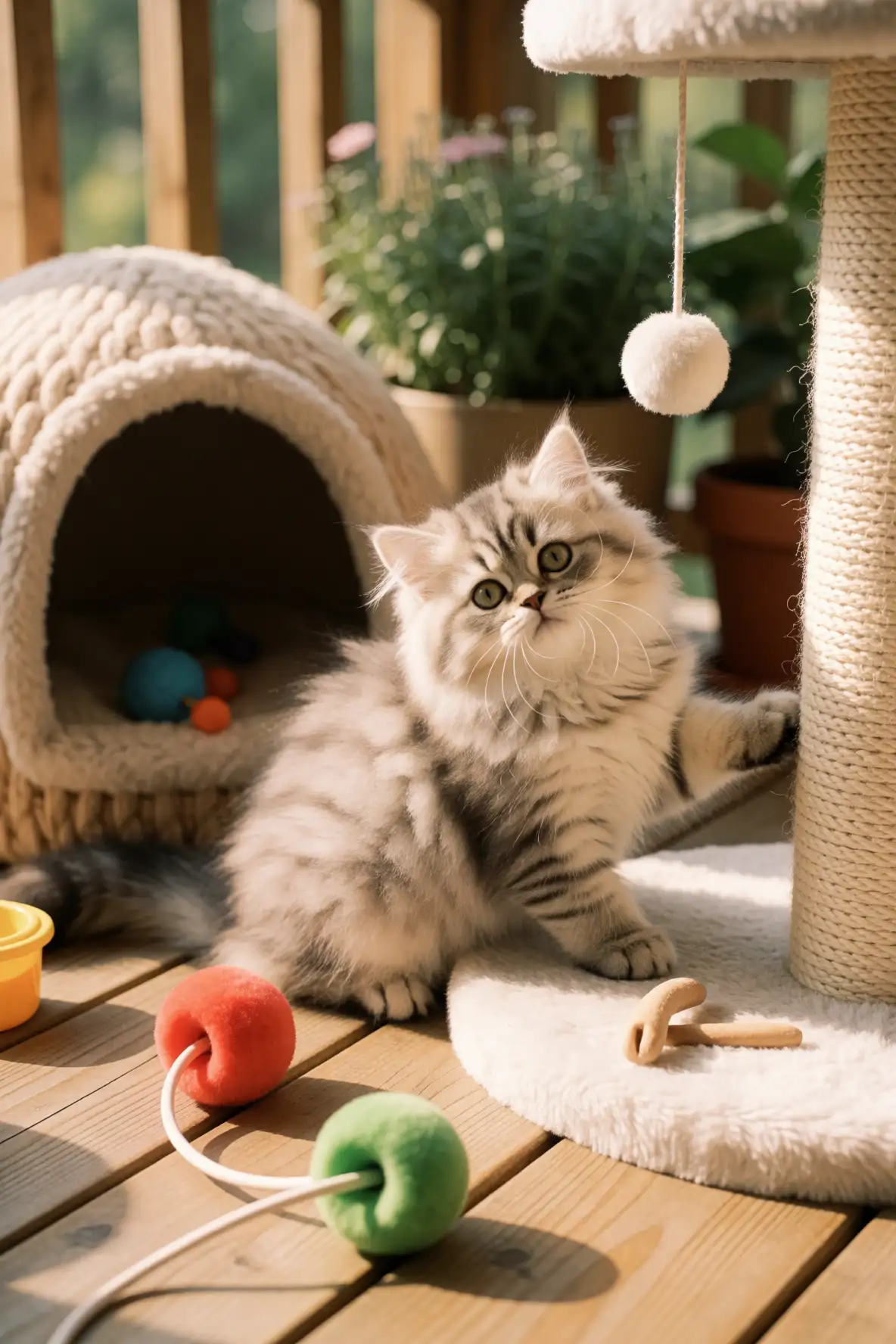
Use soft bedding and provide a few toys to keep them entertained. A scratching post will also help them feel at home and promote healthy behaviors as they settle in.
Essential Supplies
Gather essential supplies before your British Longhair arrives. You'll need high-quality kitten food, a litter box, litter, food and water bowls, toys, and a scratching post. Since British Longhairs are known for their thick, plush coats, a grooming brush is also important for maintaining their fur.
Choose a balanced kitten food rich in protein and nutrients to support their growth. Consult with the breeder for recommendations based on their current diet to keep their transition smooth.
First Day Tips
On your kitten's first day, give them time to explore their new space at their own pace. Avoid overwhelming them with too much attention initially. Instead, let them sniff around and get accustomed to their new environment.
Introduce them to their litter box right away and encourage them to use it. This will help them learn where to go when nature calls. Be patient, as it may take a little while for them to feel comfortable enough to use it.
Feeding Schedule
Establishing a feeding schedule is crucial for your British Longhair's health and well-being. Kittens typically require multiple meals throughout the day, so aim for three to four small meals daily. Consistency in timing will help them adjust better.
Monitor their eating habits and consult your vet if you notice any changes in appetite. It’s essential to keep track of their growth and ensure they are getting the proper nutrition they need.
Socialization and Bonding
Socializing your British Longhair kitten is vital in the first month. Spend quality time each day playing, cuddling, and gently handling them. This will help them develop trust and strengthen your bond.
Expose them gradually to different environments and sounds within your home. Encourage interactions with family members and other pets while supervising closely to ensure everyone is comfortable.
Veterinary Care
Schedule your first veterinary visit within the first week of bringing your kitten home. This is essential for vaccinations, health checks, and discussing preventative care. Your vet can provide guidance on spaying or neutering and address any health concerns specific to British Longhairs.
Keep a record of their vaccinations and vet visits to ensure you stay on top of their health needs as they grow.
Grooming Routine
British Longhair kittens require regular grooming to maintain their luscious coats. Start brushing their fur as soon as they settle in, using a soft brush suited for their coat type. This helps prevent matting and keeps their fur healthy.
Establish a grooming routine early on to help them get used to the process. Aim for two to three grooming sessions per week, gradually increasing the frequency as they grow.
Creating a Playful Environment
Play is crucial for your British Longhair’s development and happiness. Provide a variety of toys, from interactive ones to simple balls of yarn. Rotate their toys periodically to keep their interest high.
Set aside time for play sessions each day, which promotes physical activity and mental stimulation, both of which are essential for a growing kitten.
Establishing a Routine
Kittens thrive on routine, so try to establish a consistent schedule for feeding, playtime, and grooming. This predictability helps them feel secure and can reduce anxiety as they adapt to their new home.
Keep track of their daily activities in a journal to help you monitor their development and behavior patterns.
Introducing New Experiences
Within the first month, gradually introduce your British Longhair to new experiences, such as different rooms in your home, sounds from the outside world, and other pets. Each experience should be controlled and positive, ensuring your kitten feels safe and secure.
This gradual introduction will help build their confidence and adaptability, making for a well-rounded cat in the future.
House Training
House training your British Longhair involves getting them accustomed to using the litter box effectively. Most kittens will instinctively use it, but you may need to guide them a bit initially.
Keep their litter box clean and in a quiet area of your home. If your kitten has accidents, avoid punishment. Instead, redirect them to the litter box and reward them for using it correctly.
Monitoring Behavior
Keep an eye on your kitten’s behavior during the first month. Look for signs of stress or discomfort, such as hiding or excessive vocalizations. If you notice anything unusual, consult your veterinarian for guidance.
Understanding your kitten's behavior will help you create a nurturing environment and address any issues early on.
Frequently Asked Questions
What should I feed my British Longhair kitten?
Feed your British Longhair a high-quality kitten food rich in protein and nutrients. Consult your breeder or vet for specific recommendations based on their dietary needs.
How often should I groom my British Longhair?
Establish a grooming routine of two to three times a week to keep their coat healthy and free from mats. Start grooming early to help them get used to the process.
When should I take my kitten to the vet?
It's best to schedule a veterinary appointment within the first week of bringing your British Longhair home for vaccinations and health checks.
How can I help my kitten adjust to their new home?
Allow your kitten to explore their new environment at their own pace, provide a safe space, and spend time bonding through play and gentle handling.
What toys are best for British Longhair kittens?
Provide a variety of toys, including interactive and simple ones like balls of yarn. Rotating toys can keep your kitten engaged and active.
Ready to Find Your Kitten?
Browse available kittens from verified breeders across the USA.