Are American Curls Prone to Health Problems?
American Curls are generally considered a healthy breed, and there is no widely recognized pattern of serious breed-specific disease. Their signature ears curl backward because of a cartilage mutation, but this trait is not known to cause the widespread joint and bone problems associated with some other folded-ear breeds. Many American Curls live about 12 to 16 years, though an individual cat’s health depends on genetics, care, and regular veterinary attention.
That healthy reputation does not mean an American Curl is immune to illness. Like any cat, one can develop dental disease, obesity, kidney disease, heart disease, or infections. It helps to distinguish common feline health concerns from conditions that are proven to occur more often in this breed; current evidence does not establish a specific disease as a routine American Curl problem.
Ear Care: Protect the Curl Without Overhandling It
The ears deserve gentle, regular attention because their shape is distinctive and the cartilage can be delicate, especially when a kitten is young. Check for redness, swelling, an unpleasant odor, dark discharge, or increased scratching. These signs can indicate irritation, mites, or infection and should be assessed by a veterinarian rather than treated with leftover medication or home remedies.
An American Curl’s curled ears do not automatically mean the cat has narrow canals or is prone to ear infections. Avoid bending, pulling, or trying to straighten the ears, and never put cotton swabs deep into the canal. If your veterinarian recommends cleaning, use only an appropriate ear cleaner and follow their instructions; unnecessary cleaning can irritate healthy ears.
Other Health Concerns to Keep in Perspective
Heart conditions such as hypertrophic cardiomyopathy and inherited eye disorders such as progressive retinal atrophy can affect cats, but they are not established as signature American Curl diseases. Ask about the health history of the kitten’s parents and close relatives, and discuss any known family condition with your veterinarian. A breeder’s screening plan should reflect the cats’ actual health histories and current veterinary guidance rather than claims that every American Curl needs a particular genetic test.
Dental disease and excess weight are more practical concerns for many household cats. Bad breath, red or bleeding gums, difficulty chewing, or dropping food can point to oral pain. A widening waist, reduced activity, or trouble grooming may signal weight gain; your veterinarian can assess body condition and recommend a safe feeding plan. Do not put a cat on a restrictive diet without professional guidance.
Warning Signs That Need Veterinary Attention
Contact a veterinarian if your Curl stops eating, becomes unusually withdrawn, has repeated vomiting or diarrhea, or develops a sudden change in drinking or urination. Breathing difficulty, collapse, seizures, severe pain, or inability to pass urine require urgent care. These symptoms are not unique to the breed, but prompt evaluation can make a major difference regardless of the cause.
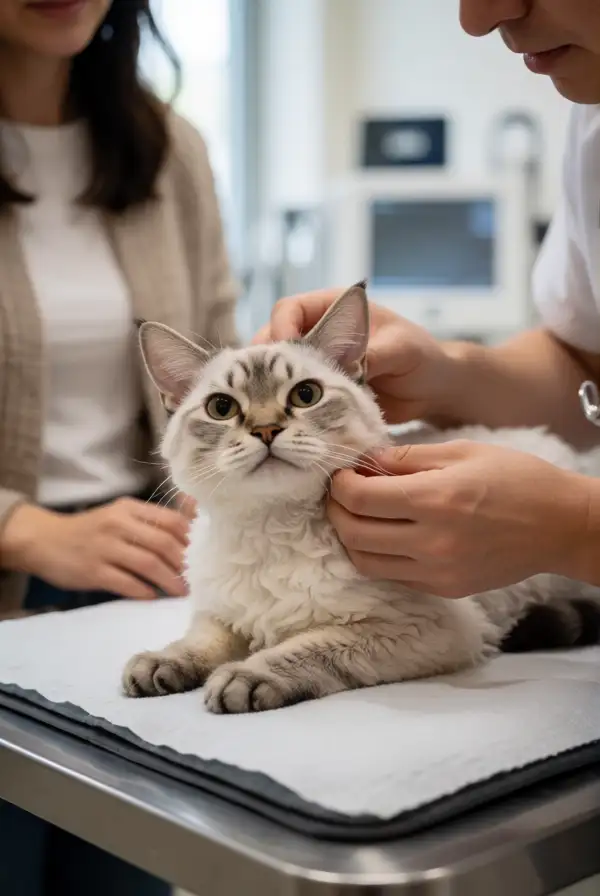
For ear symptoms, arrange an exam if you notice persistent head shaking, pawing, a head tilt, sensitivity when the ears are touched, or discharge. Changes in vision, balance, or mobility also deserve a prompt checkup. A vet can examine the ears and eyes, look for an underlying cause, and recommend treatment suited to your cat rather than assuming the curled shape is responsible.
Prevention and Choosing a Responsible Breeder
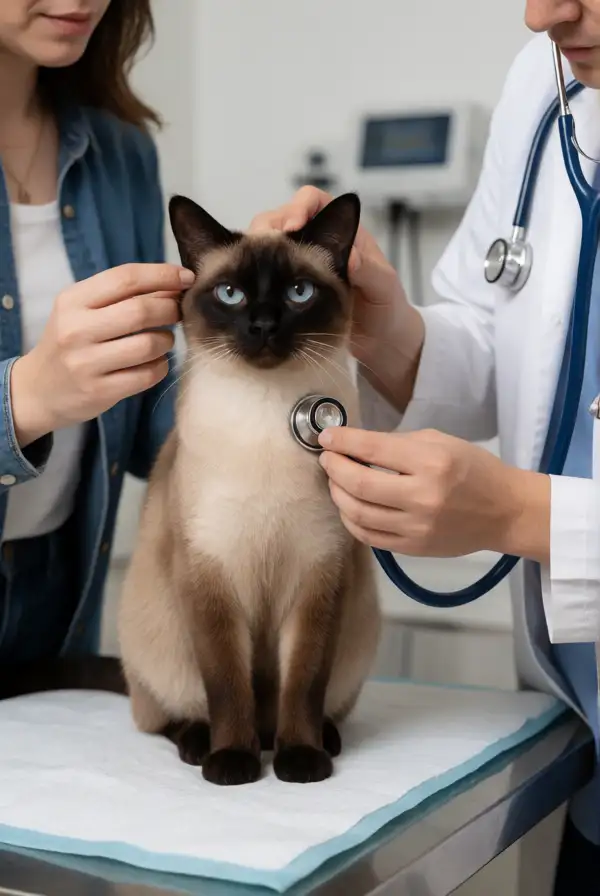
Schedule routine wellness visits, keep vaccines and parasite prevention current, and ask your veterinarian how often your cat needs dental checks and bloodwork as they age. Measure meals, provide daily play, and keep fresh water available. These simple habits help detect changes early and support healthy weight, teeth, and overall condition.
Before bringing home a kitten, ask the breeder about veterinary records, the parents’ health, and any recurring concerns in their lines. A responsible breeder should welcome questions and arrange appropriate veterinary care before placement. If you are comparing litters, CatHatch lets you browse available kittens and breeders; review health information carefully and arrange an independent veterinary exam after adoption.
Frequently Asked Questions
Do American Curl cats have health problems because of their ears?
The backward curl is a cartilage trait and is not known to cause widespread skeletal problems. The ears still need gentle handling and a veterinary check if you notice pain, discharge, odor, or persistent scratching.
Are American Curl cats prone to ear infections?
There is no strong evidence that American Curls are inherently prone to ear infections simply because their ears curl. Watch for irritation or discharge, and have a veterinarian identify the cause before using ear drops or cleaners.
What is the life expectancy of an American Curl?
Many American Curls live roughly 12 to 16 years, although individual lifespans vary. Preventive veterinary care, healthy weight, and good dental care can support long-term wellbeing.
Do American Curls need genetic health testing?
There is no single breed-wide genetic test that guarantees an American Curl will remain healthy. Ask the breeder about family health history and any screening recommended for the specific breeding cats, then discuss your kitten’s care with your veterinarian.