Understanding the Aegean Breed
The Aegean cat, known for its charming personality and striking appearance, is a rare breed native to the Cycladic Islands of Greece. These cats are medium-sized with a sturdy build, and they often have a semi-long coat which can be both beautiful and challenging to maintain. Understanding their specific health needs is crucial for any owner who wants to ensure their Aegean remains healthy and vibrant throughout their life.
Common Health Issues in Aegean Cats
Aegean cats are generally considered a healthy breed, but like all cats, they can be prone to certain health conditions. It's important to be aware of these potential issues to catch them early. Regular veterinary check-ups and a watchful eye on your cat’s behavior can go a long way in preventing serious health problems.
Obesity: A Growing Concern
Obesity is a common issue in many cat breeds, including the Aegean. These cats have a laid-back personality that may lead to a sedentary lifestyle, making them susceptible to weight gain. Obesity can lead to various health problems, including diabetes, joint issues, and heart disease. A balanced diet and regular playtime are essential to keep your Aegean cat fit and healthy.
Dental Disease
Aegeans can also be prone to dental disease, which is often overlooked by owners. Conditions like gingivitis and periodontal disease can affect their overall health. Regular dental check-ups and dental care at home, such as tooth brushing or providing dental treats, can help prevent these issues. Remember that good oral hygiene can extend your cat’s lifespan and improve their quality of life.
Heart Disease: Hypertrophic Cardiomyopathy
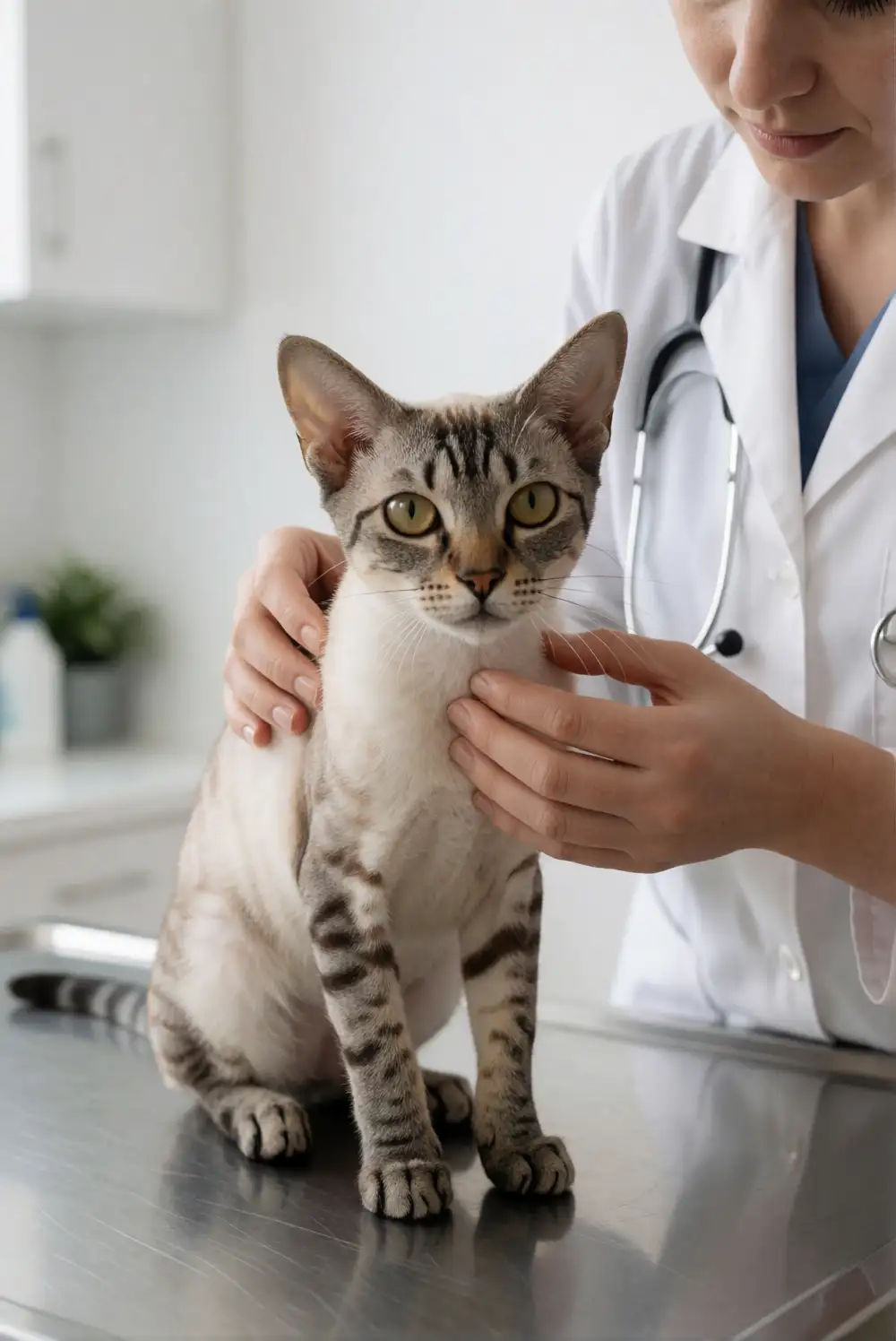
Hypertrophic cardiomyopathy (HCM) is a genetic heart condition that can affect Aegean cats, leading to thickening of the heart muscle. This can result in heart failure if not detected early. Symptoms can include lethargy, difficulty breathing, and sudden collapse. Regular veterinary check-ups, including heart screenings, are recommended to monitor your Aegean's heart health.
Kidney Issues
Kidney issues, including chronic kidney disease (CKD), can also affect Aegean cats as they age. CKD is often asymptomatic in the early stages but can lead to serious health complications. Symptoms may include increased thirst, changes in appetite, and weight loss. Routine blood tests are essential for early detection and management of kidney health in your Aegean.
Ear Problems
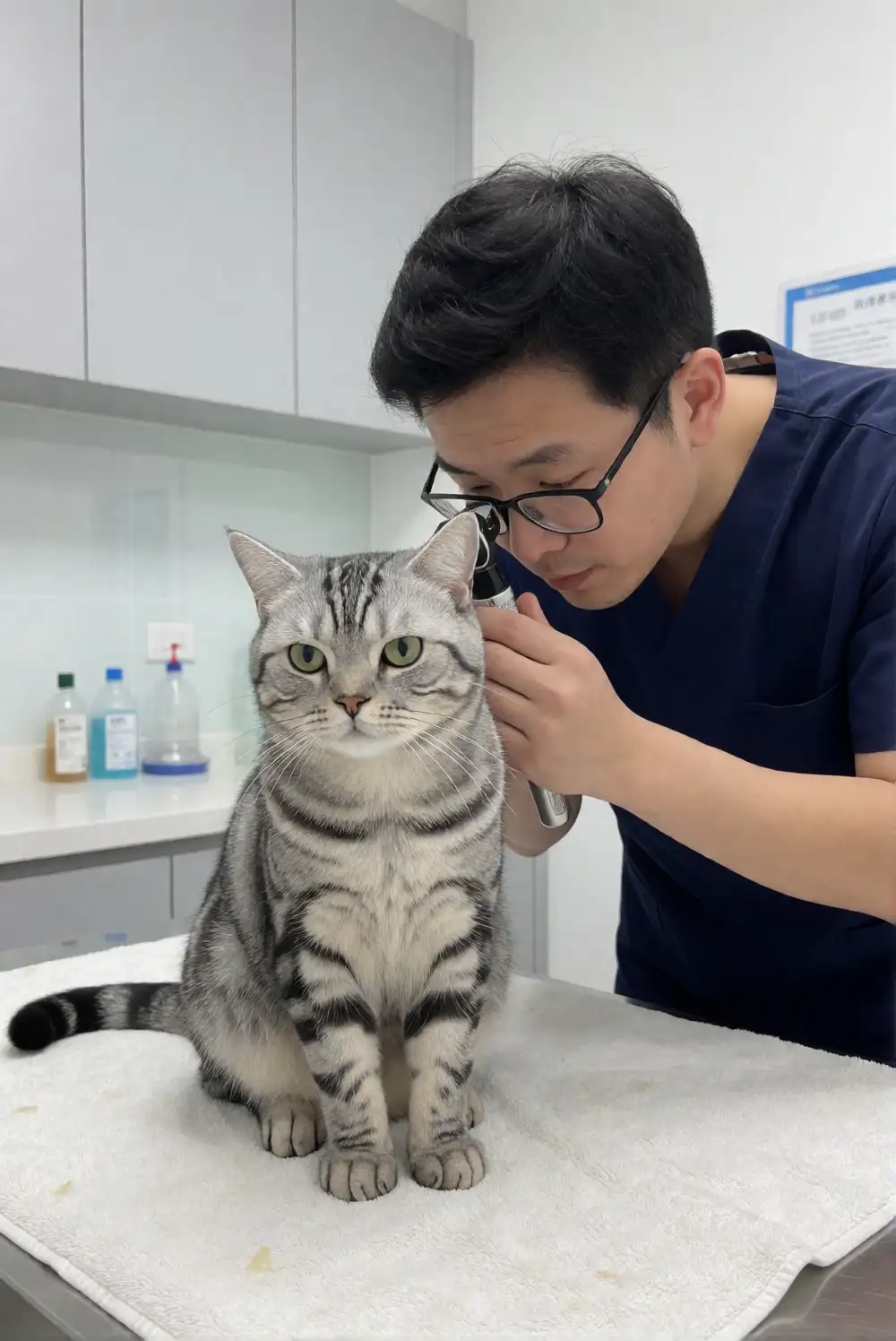
Due to their semi-long coat, Aegean cats may be more susceptible to ear problems, including wax buildup and infections. Regular ear cleaning and inspections can help prevent these issues. If you notice your cat scratching its ears or shaking its head frequently, it may be time for a veterinary visit.
Skin Conditions
Skin conditions can also affect Aegeans, particularly those related to allergies or parasites. Fleas, mites, and food allergies can cause itching and discomfort. Regular grooming and a watchful eye for any changes in your cat's skin can help catch these issues early. A balanced diet and proper flea control can help maintain your cat's skin health.
Nutrition for Health
A well-balanced diet plays a vital role in preventing many health issues in Aegean cats. Look for high-quality cat food that meets their nutritional needs. Consult your veterinarian for advice on the best diet for your individual cat, as factors like age, weight, and activity level can influence their dietary requirements.
Regular Vet Visits
Establishing a routine for veterinary check-ups is essential for your Aegean's health. Regular visits can help detect potential health issues before they become serious. Your veterinarian can also provide guidance on vaccinations, parasite prevention, and nutritional needs specific to Aegeans.
Keeping Your Aegean Active
Encouraging your Aegean to stay active is crucial for preventing obesity and other health issues. Interactive toys, climbing trees, and regular playtime will not only keep them physically fit but also mentally stimulated. Engaging with your cat daily enhances their quality of life and strengthens your bond.
Grooming Needs
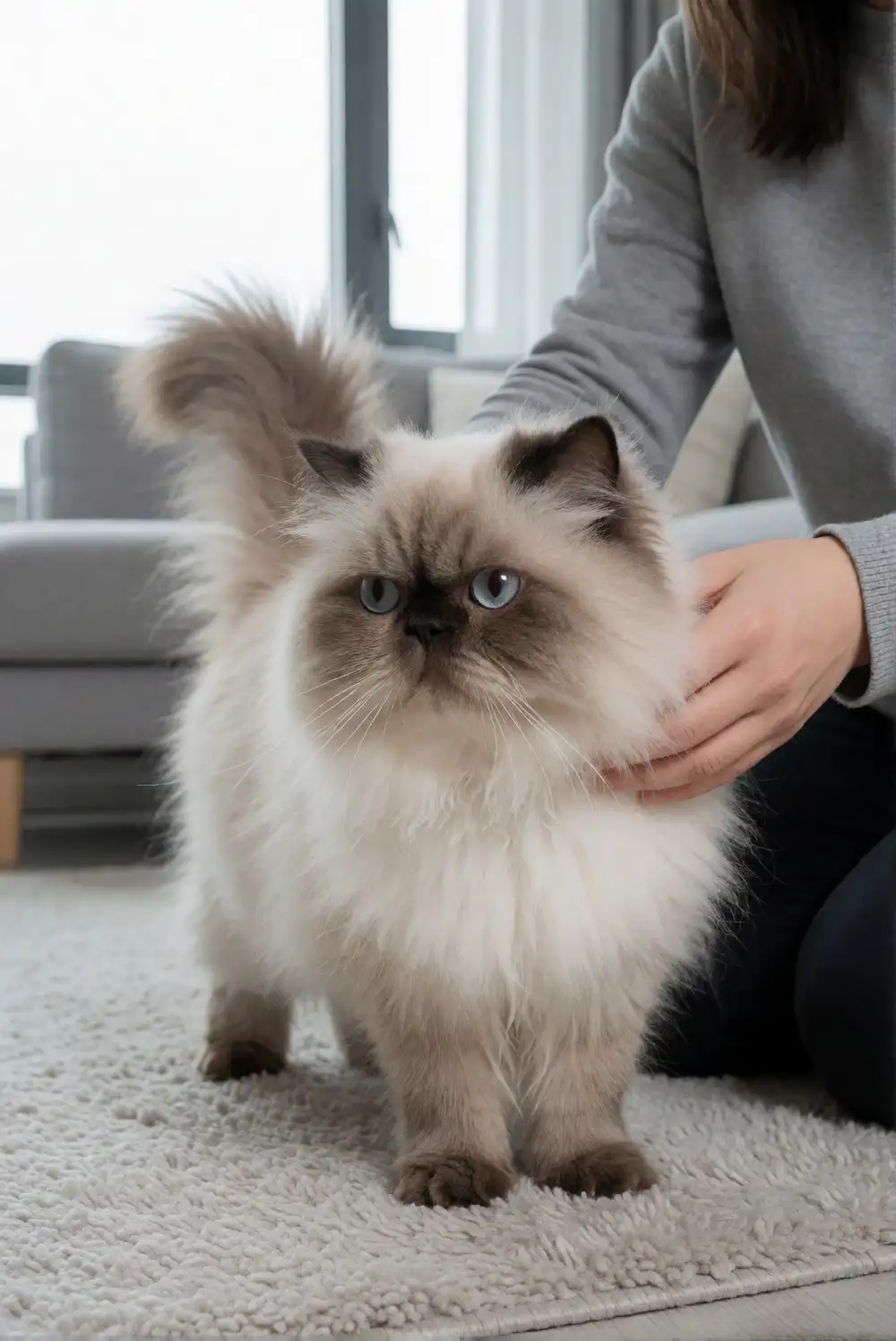
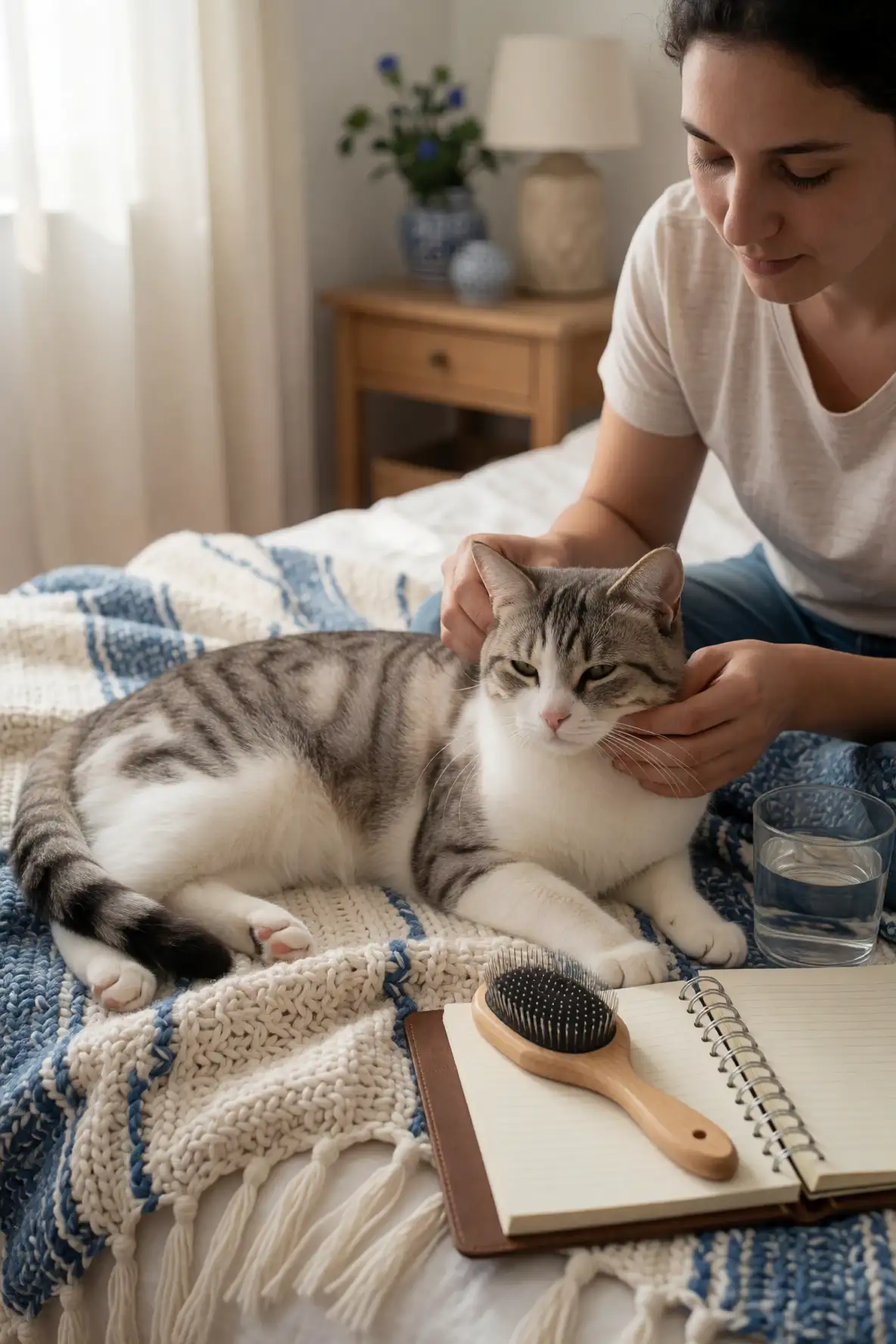
The semi-long coat of the Aegean cat requires regular grooming to prevent matting and reduce shedding. Brushing your cat several times a week will not only keep their coat healthy but also serves as a good opportunity to check for any skin issues or parasites. Regular grooming fosters a strong bond and keeps your Aegean looking its best.
Final Thoughts on Aegean Cat Health
Being aware of common health problems in Aegean cats allows owners to take proactive steps in their care. Regular veterinary visits, a balanced diet, and an active lifestyle are key components in maintaining their health. If you’re considering bringing an Aegean cat into your home, browse available kittens on CatHatch to find your perfect feline companion.
Frequently Asked Questions
What are common health problems of Aegean cats?
Aegean cats can suffer from obesity, dental disease, hypertrophic cardiomyopathy, kidney issues, and skin conditions. Regular vet visits and a healthy lifestyle can prevent many of these issues.
How can I maintain my Aegean cat's health?
Maintaining your Aegean cat's health involves a balanced diet, regular exercise, routine vet check-ups, and proper grooming. Early detection of health issues is crucial.
Do Aegean cats need special diets?
Aegean cats do not require a special diet, but high-quality cat food that meets their nutritional needs is essential for their health. Consult your vet for personalized recommendations.
How often should I take my Aegean cat to the vet?
It is recommended to take your Aegean cat to the vet at least once a year for a check-up. Older cats or those with health concerns may need more frequent visits.
Can Aegean cats be prone to allergies?
Yes, Aegean cats can be prone to allergies, which can lead to skin conditions or digestive issues. Regular grooming and a balanced diet can help manage these problems.