Understanding the California Spangled Cat
The California Spangled Cat is not just a beautiful breed; it also has unique dietary needs that align with its active and playful nature. This breed typically weighs between 8 to 12 pounds and has a muscular build, requiring a balanced diet to maintain its health. Understanding their specific needs at different life stages will help you provide the best nutrition for your feline friend.
Dietary Needs for Kittens
Kittens are growing rapidly and require a diet rich in proteins and fats to support their development. For California Spangled Kittens, choose high-quality kitten food that contains at least 30% protein and around 20% fat. Look for ingredients like chicken, fish, and other animal-based proteins. Feeding them 3-4 small meals a day will also help in better digestion and energy levels.
Feeding Guidelines for Young Adults
As your California Spangled reaches adulthood (around 1 year old), their dietary needs will start to shift. Adult cats typically need a diet with about 25-30% protein and 15-20% fat. It's important to provide a balanced diet that includes both wet and dry food to ensure hydration and dental health. Monitor their weight closely, as this breed can easily become overweight if overfed.
Senior California Spangled Cats
For senior California Spangled Cats (typically age 7 and older), their metabolism may slow down, and their dietary requirements may change again. Senior cats may benefit from a diet lower in calories but still rich in protein to maintain muscle mass. Look for senior formulations that provide essential nutrients tailored for their age. Soft food can also be beneficial for those who may have dental issues.
Weight Management Strategies
Weight management is essential to keep your California Spangled healthy. Regularly weigh your cat and consult with your veterinarian to determine the ideal weight range. If weight loss is necessary, transition to a weight management cat food designed for their specific needs. It’s crucial to adjust portion sizes based on their activity levels to avoid obesity.
Hydration Is Key
Ensuring your California Spangled stays hydrated is vital for their health. Cats can be prone to urinary tract issues, especially if they eat dry food exclusively. Offer fresh water daily and consider incorporating wet food into their diet to increase their moisture intake. You might also want to invest in a cat water fountain, as many cats prefer running water.
What to Avoid in Their Diet
While feeding your California Spangled, avoid foods that are toxic to cats, such as chocolate, onions, garlic, and grapes. Additionally, limit the number of treats you give them, as many commercial treats can be high in calories and low in nutritional value. Homemade treats can be a healthier alternative, provided they consist of cat-safe ingredients.
Supplements for Optimal Health
Depending on your California Spangled’s diet, they might benefit from supplements, particularly Omega-3 fatty acids for a shiny coat or glucosamine for joint health. Always consult your vet before adding any supplements to ensure they are necessary and safe.
Commercial vs. Homemade Diets
Deciding between commercial and homemade diets for your California Spangled can be challenging. While commercial foods are formulated to meet cats’ nutritional needs, homemade diets can be tailored to your pet’s specific preferences. If you choose homemade diets, make sure to consult with a veterinarian or a pet nutritionist to ensure you’re meeting all of their nutritional requirements.
Feeding Schedule and Routine
Establishing a consistent feeding schedule can help your California Spangled maintain a healthy weight and avoid begging behavior. Consider feeding them at the same times each day and gradually transitioning to a set meal schedule as they age. This routine can also help you monitor their appetite and health closely.
Monitoring Health Through Diet
Keep an eye on your California Spangled’s coat, energy levels, and stool quality as indicators of their overall health. A healthy cat should have a shiny coat, be active, and have firm but not hard stool. If you notice any changes in these areas, it might be time to reassess their diet and consult with your veterinarian.
Consulting Your Veterinarian
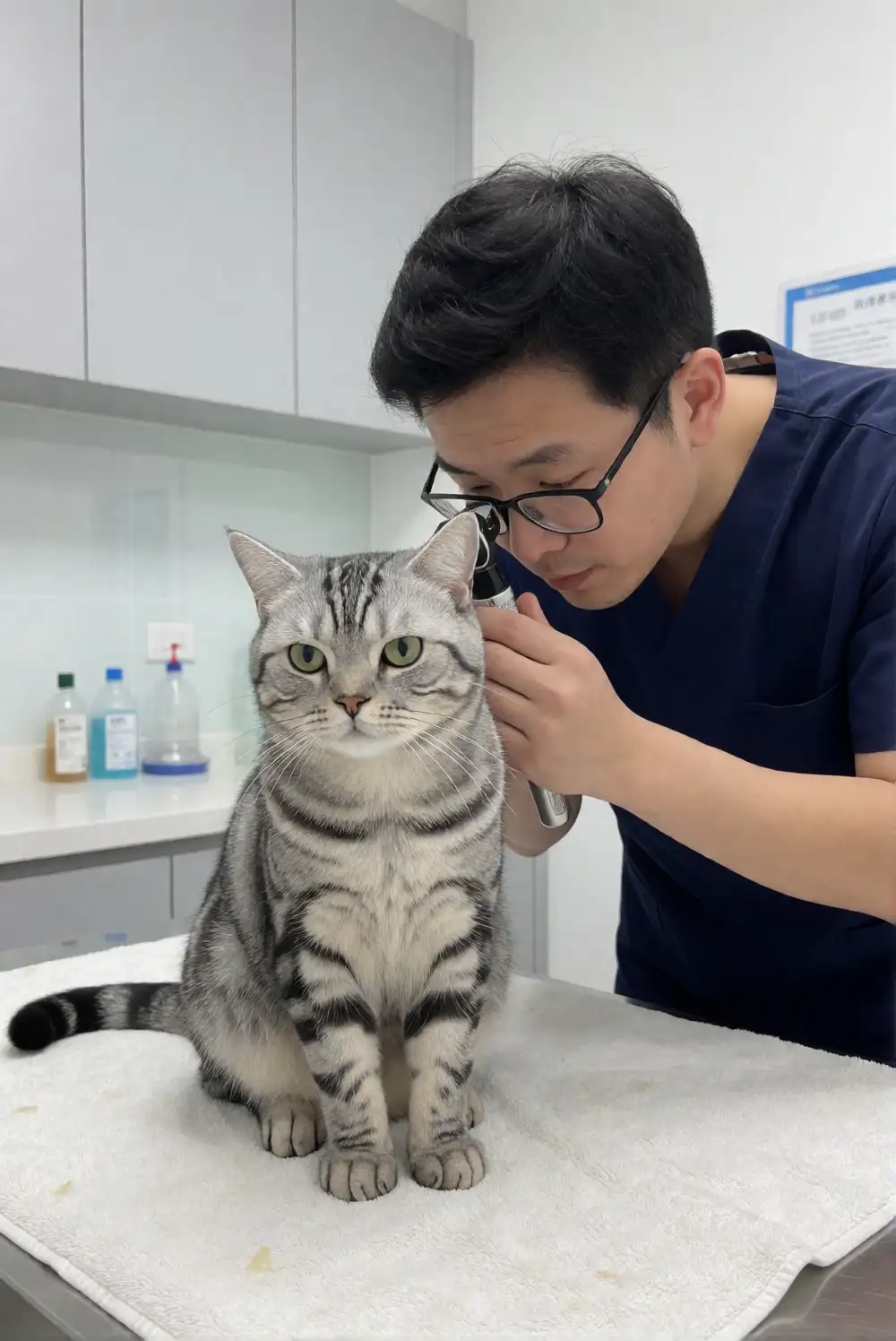
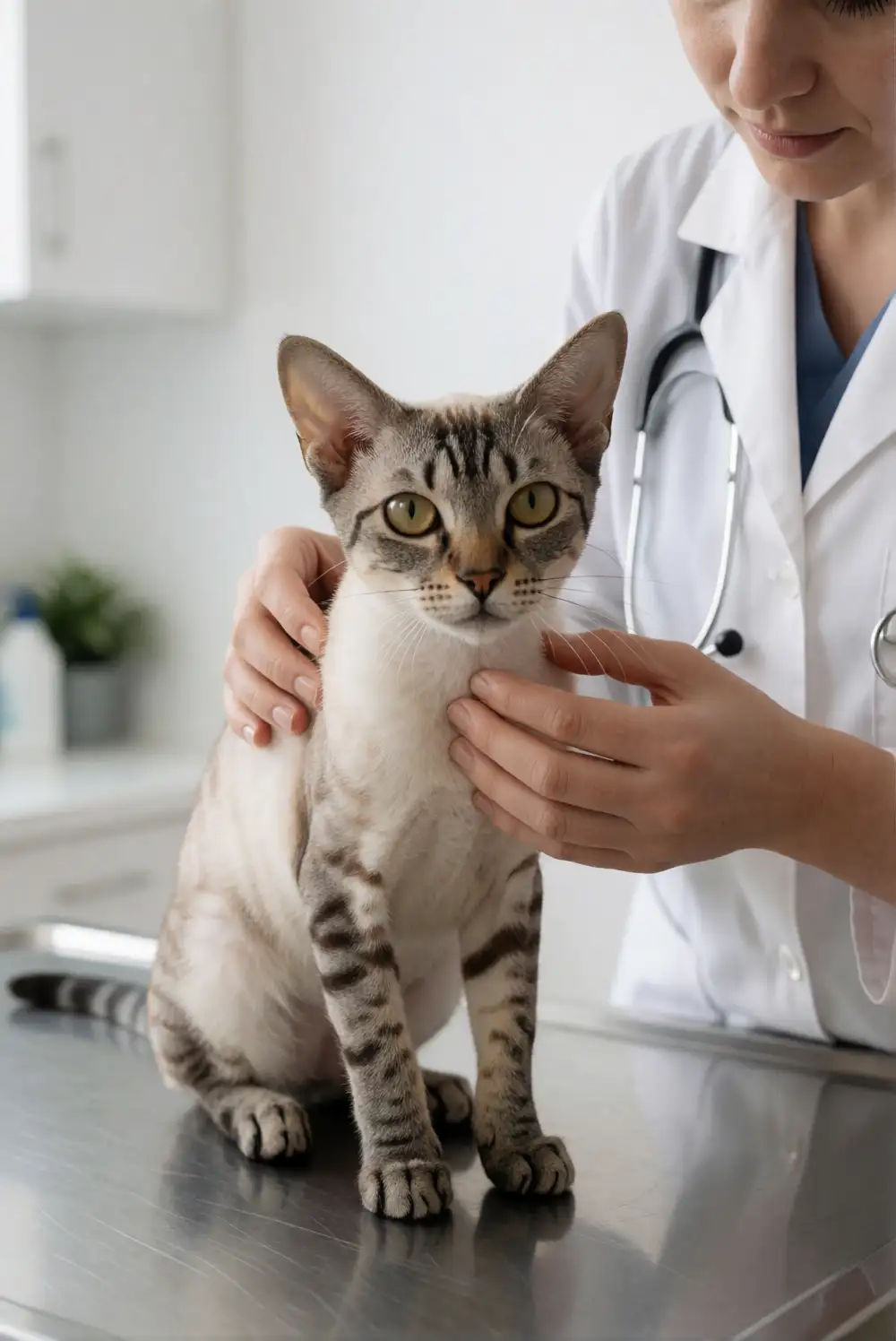
Your veterinarian is your best resource for determining the best diet for your California Spangled Cat. Regular check-ups can help tailor their dietary needs as they age and change. Make sure to discuss any concerns you have regarding their diet, weight, or any health issues you suspect.
Conclusion
Feeding your California Spangled Cat a balanced diet that suits their age and weight is crucial for their health and well-being. By understanding their specific nutritional requirements and monitoring their weight, you can ensure a long and healthy life for your feline companion. For more information on available kittens and ethical breeders, be sure to visit CatHatch.
Frequently Asked Questions
What is the best food for California Spangled cats?
The best food for California Spangled cats is high-quality commercial cat food rich in protein and fat, specifically formulated for their age group, whether they are kittens, adults, or seniors.
How much should I feed my California Spangled cat?
The amount to feed your California Spangled cat will depend on their age, weight, and activity level. Generally, adult cats eat about 1/2 to 1 cup of dry food per day, divided into two meals.
Can California Spangled cats eat wet food?
Yes, California Spangled cats can eat wet food, and it can be beneficial for hydration and dental health. Mixing wet and dry food can provide a balanced diet.
Are there any foods I should avoid for my California Spangled cat?
Avoid feeding your California Spangled cat toxic foods such as chocolate, onions, garlic, and grapes, as well as any human food high in fat or sugar.
How can I help my California Spangled maintain a healthy weight?
To help your California Spangled maintain a healthy weight, monitor their food intake, provide regular exercise, and consult with your veterinarian for tailored dietary advice based on their individual needs.