Understanding the Bambino Cat
The Bambino cat is a unique and charming breed known for its hairless body and lively personality. This breed is a cross between the Sphynx and the Munchkin, resulting in a cat that is not only affectionate but also playful and energetic. To maintain their health and vitality, proper nutrition is essential.
Due to their unique physiology, Bambino cats require a diet that supports their active lifestyle. Their hairless nature means they have different metabolic needs compared to other cats, making it crucial to provide them with a balanced diet that suits their specific requirements.
Nutritional Needs of Bambino Cats
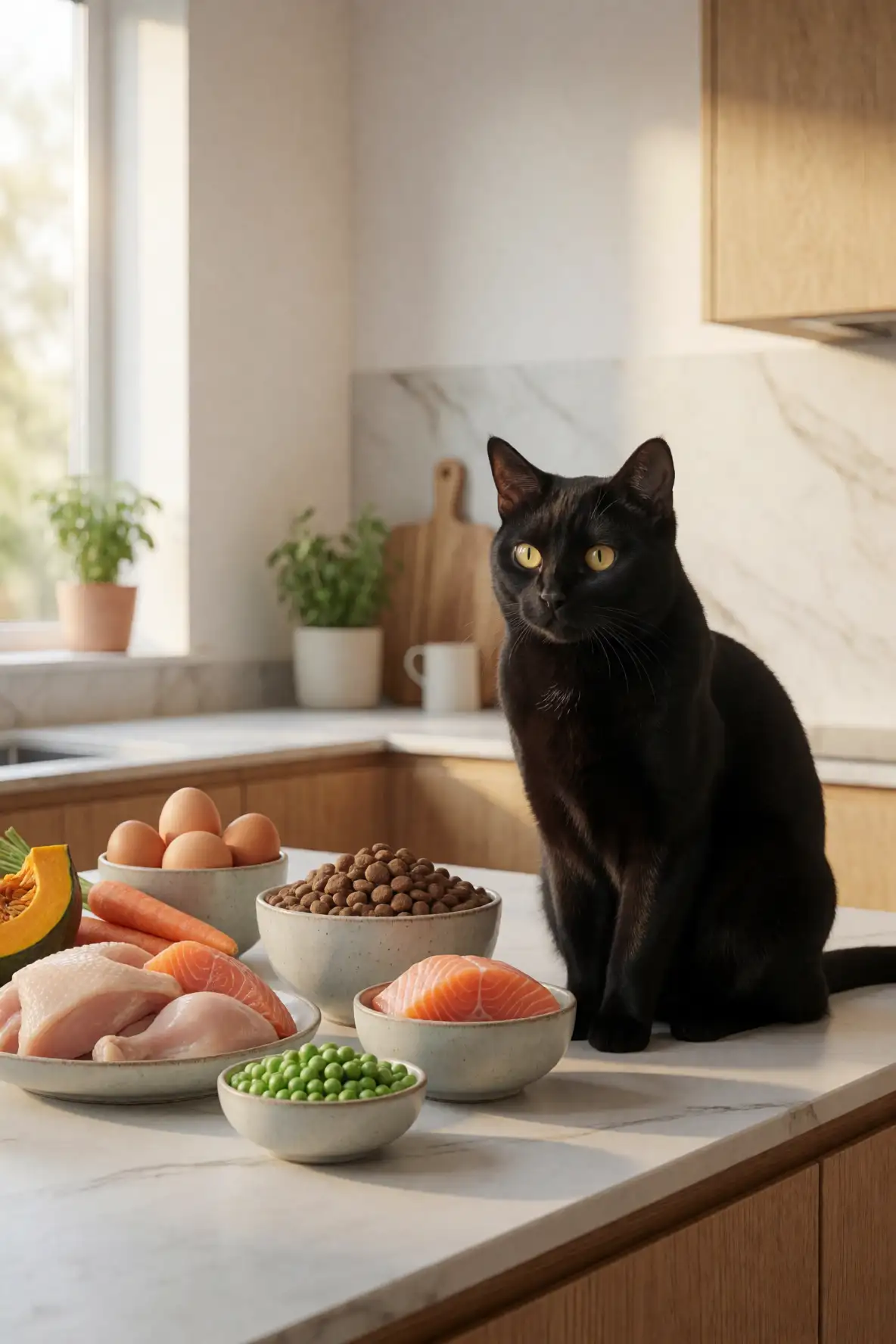
Like all cats, Bambinos are obligate carnivores. This means their diet should predominantly consist of high-quality animal protein. Look for cat food that lists meat as the first ingredient, ensuring they receive the essential amino acids required for muscle development and overall health.
Additionally, Bambino cats benefit from a diet that includes healthy fats, which provide energy and support skin health. Omega fatty acids, in particular, are important for maintaining a healthy coat and skin, even in hairless breeds.
Feeding Guide by Age
Kittens (0-6 months)
During the kitten stage, Bambinos require a nutrient-dense diet to support their rapid growth. High-protein kitten formulas are ideal, providing the extra calories they need. It's best to feed them multiple small meals throughout the day.
As they grow, ensure their food is balanced with the right amounts of fat and carbohydrates. Look for brands that offer specific formulations for kittens to ensure they're getting the right nutrients.
Young Adults (6 months - 2 years)
Once your Bambino reaches 6 months, you can gradually transition them to adult cat food. This diet should still be high in protein but with slightly adjusted caloric content to prevent obesity as their growth slows.
Monitor their weight closely during this stage, as Bambinos can be prone to weight gain. Choose a high-quality, grain-free diet to keep them lean and active.
Adults (2-7 years)
Adult Bambinos need a balanced diet that maintains their energy levels while preventing obesity. A high-protein diet with moderate fat content is essential. Serve food in measured portions to manage their weight, as Bambinos are known for their love of food.
Consider incorporating wet food into their diet, as it can help with hydration and add variety. Always ensure fresh water is available.
Senior Cats (7+ years)
As your Bambino matures, their dietary needs will change. Senior cats may require a lower calorie diet to prevent unnecessary weight gain. Look for food that is specially formulated for seniors, often lower in calories but still high in protein.
Additionally, watch for any health issues that may arise in older age, such as kidney problems or dental issues. Regular vet check-ups will help manage their dietary needs effectively.
Weight Management for Bambino Cats
Weight management is crucial for Bambino cats, as they are prone to obesity. Regularly weigh your cat and adjust their food intake accordingly. Incorporate playtime into their daily routine to help them burn off calories.
Consider using puzzle feeders or interactive toys to stimulate their minds and encourage activity, which can aid in weight loss or maintenance.
Common Dietary Concerns
While Bambino cats are generally healthy, they can face specific dietary concerns. Allergies to certain proteins or grains can occur, so be observant of any changes in their skin or digestion.
If you suspect food allergies, working with a veterinarian to identify and eliminate problematic ingredients is essential for your cat's well-being.
Consulting a Veterinarian
It’s always best to consult with a veterinarian when determining the best diet for your Bambino cat. They can provide personalized advice based on your cat’s specific age, weight, and health conditions.
Regular vet visits ensure that your Bambino remains healthy and that their diet is adjusted as they age or if any health issues arise.
Exploring Food Options on CatHatch
Finding the right food for your Bambino can be challenging, but resources like CatHatch can help. Browse available kitten food options or consult expert care guides tailored to meet your cat’s needs.
Frequently Asked Questions
What is the best diet for a Bambino cat?
The best diet for a Bambino cat is high in quality animal protein, moderate in fat, and balanced in nutrients. Look for high-quality cat food specifically formulated for their age group.
How much should I feed my Bambino cat?
The feeding amount will vary based on your cat's age, weight, and activity level. Kittens need multiple small meals, while adults should have measured portions to prevent obesity.
Can Bambino cats eat grain-free food?
Yes, Bambino cats can thrive on grain-free diets, provided they are high in protein and meet their nutritional needs. Always check for quality ingredients.
Are there any common health issues for Bambino cats?
Bambino cats can be prone to obesity and certain genetic conditions like heart disease. Regular vet check-ups and a proper diet can help manage these risks.
How often should I take my Bambino cat to the vet?
It’s recommended to take your Bambino cat to the vet at least once a year for a check-up. Senior cats may require more frequent visits to monitor for age-related health issues.