Understanding the American Bobtail
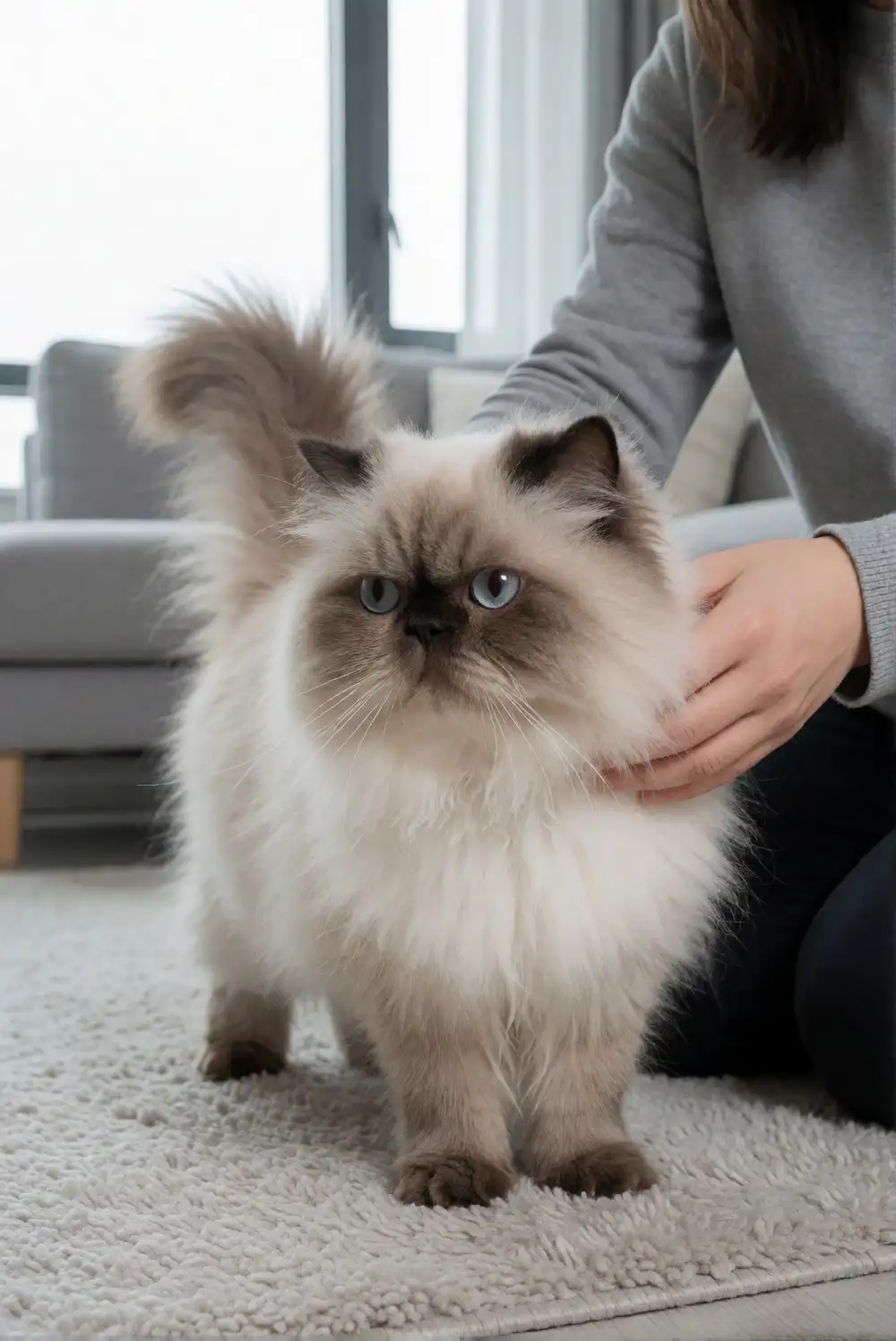
The American Bobtail is a unique breed, known for its distinctive short tail and playful demeanor. They are medium to large-sized cats, typically weighing between 8 to 15 pounds. With their muscular build and wild appearance, it’s essential to provide them with a nutritious diet that supports their energetic lifestyle.
This breed is generally friendly and adaptable, making them great companions. However, proper nutrition is key to keeping them healthy and happy throughout their life stages.
Nutritional Needs by Age
The dietary needs of American Bobtails change as they grow. Kittens require a diet rich in proteins and fats to support their rapid growth and energy levels. Once they reach adulthood, their diet can be adjusted to maintain a healthy weight without sacrificing energy.
Senior Bobtails, on the other hand, may need a diet lower in calories to avoid obesity, as their activity levels tend to decrease. It’s important to tailor their diet according to their life stage to ensure they receive the necessary nutrients.
Choosing the Right Food
When selecting food for your American Bobtail, look for high-quality cat food that contains real meat as the first ingredient. Cats are obligate carnivores, which means they require a meat-based diet for optimal health.
Be cautious of fillers and artificial additives in commercial cat foods. High protein content, with a balance of fats and carbohydrates, is essential. A good rule of thumb is to choose a food that contains at least 30% protein.
Feeding Kittens
Kittens need a diet rich in protein and fat to support their growth. Opt for high-quality kitten food with at least 30-35% protein content. This can include dry kibble and wet food, providing a balanced diet that keeps them hydrated.
Feed your kitten small, frequent meals throughout the day, approximately four to six times. As they grow, you can gradually transition them to adult food around one year of age.
Feeding Adult American Bobtails
For adult American Bobtails, switching to a high-protein adult cat food is crucial. Look for food with a protein content of at least 30% and moderate fat levels. It's also a good idea to incorporate wet food into their diet for hydration.
Feed them twice a day, maintaining a consistent feeding schedule. Monitor their weight and adjust portion sizes as needed to keep them healthy and fit.
Senior Bobtail Diet
Senior American Bobtails may require diet modifications to address their changing metabolism. Look for senior cat formulas that are lower in calories but still rich in nutrients. These foods often contain added vitamins and minerals to support joint health and overall well-being.
Consider adding supplements such as omega fatty acids for coat health and joint support. Always consult with your veterinarian before making any significant dietary changes.
Understanding Portion Control
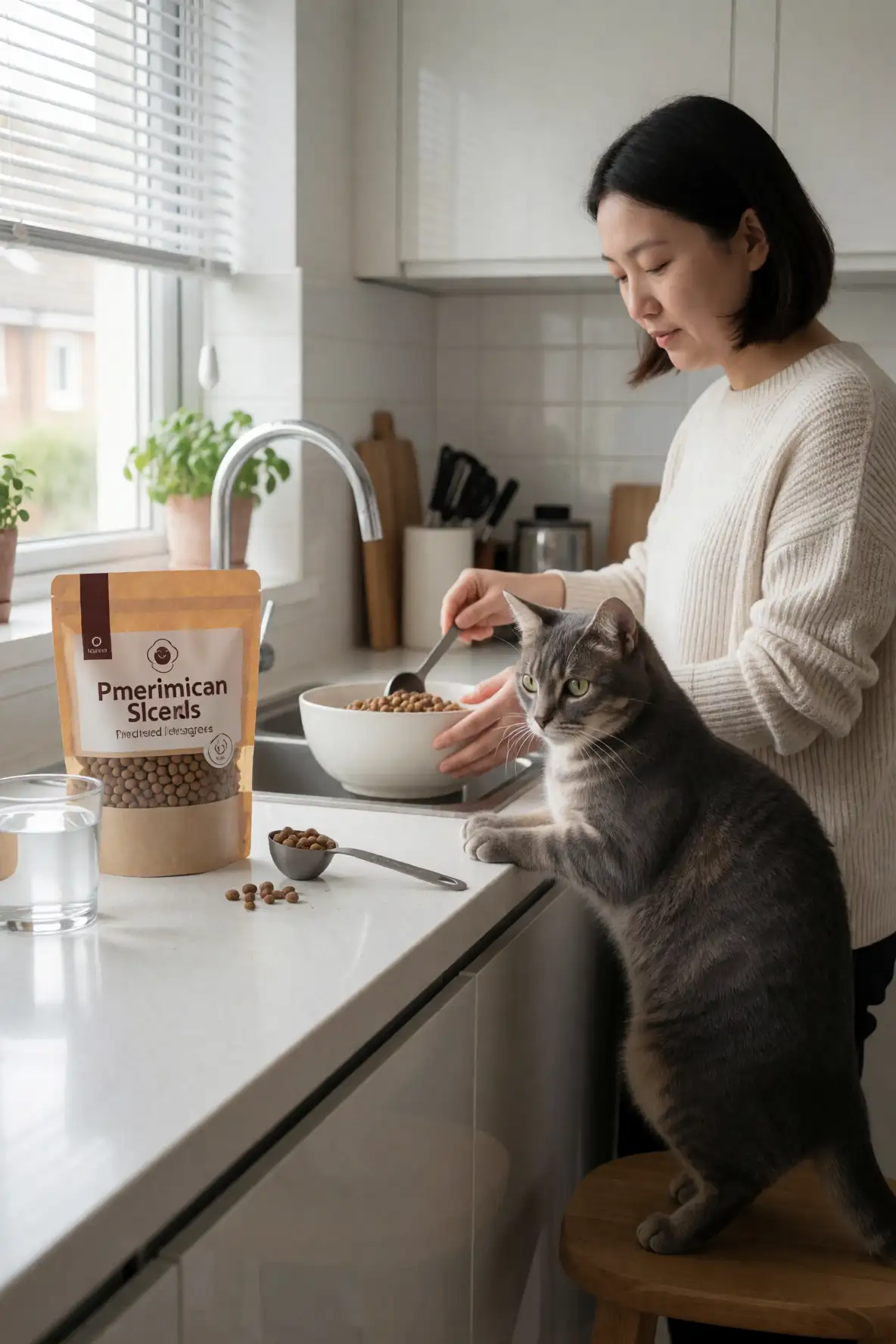
Portion control is vital for maintaining a healthy weight in American Bobtails. Follow feeding guidelines on food packaging and adjust based on your cat's activity level and weight.
Measure their food to avoid overfeeding, and regularly check their body condition. A healthy Bobtail should have a visible waist and should not have excessive fat covering their ribs.
Hydration Matters
Water is crucial for your cat's health. Ensure your American Bobtail has access to fresh, clean water at all times. Cats are often not great drinkers, so incorporating wet food into their diet can help with hydration, especially in hot weather.
Homemade Diets: A Word of Caution
While homemade diets can be appealing, they require careful planning to ensure nutritional adequacy. Cats have specific dietary needs, and it can be challenging to meet those without the right knowledge.
If you consider a homemade diet for your American Bobtail, consult your veterinarian or a pet nutritionist to avoid deficiencies.
Recognizing Food Allergies
Some American Bobtails may develop food allergies or sensitivities. Common symptoms include itching, gastrointestinal upset, or changes in behavior. If you suspect a food allergy, consult your veterinarian.
Switching to a limited ingredient diet or hypoallergenic food may help in managing these sensitivities. Always introduce new foods gradually to monitor for adverse reactions.
Consulting Your Veterinarian
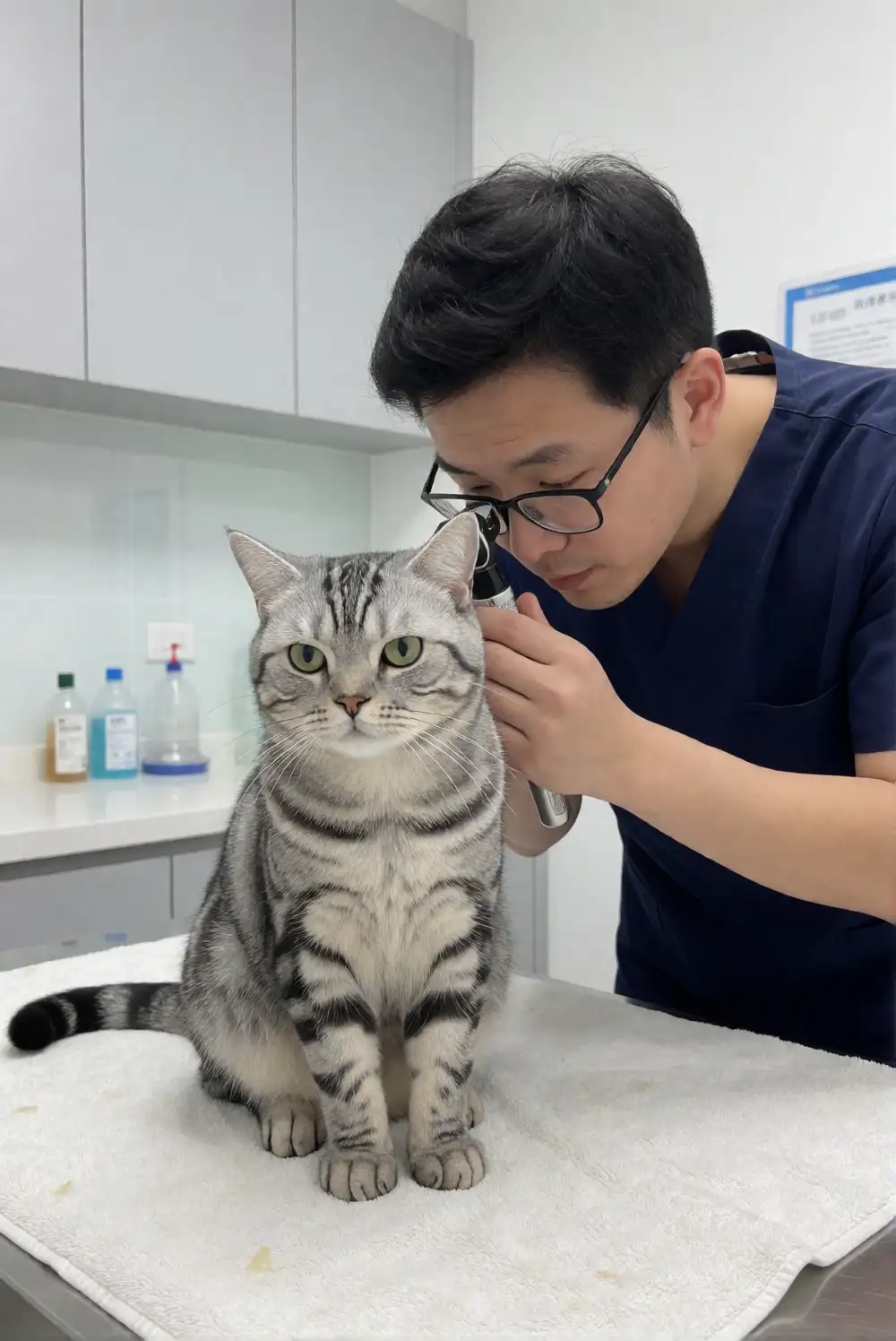
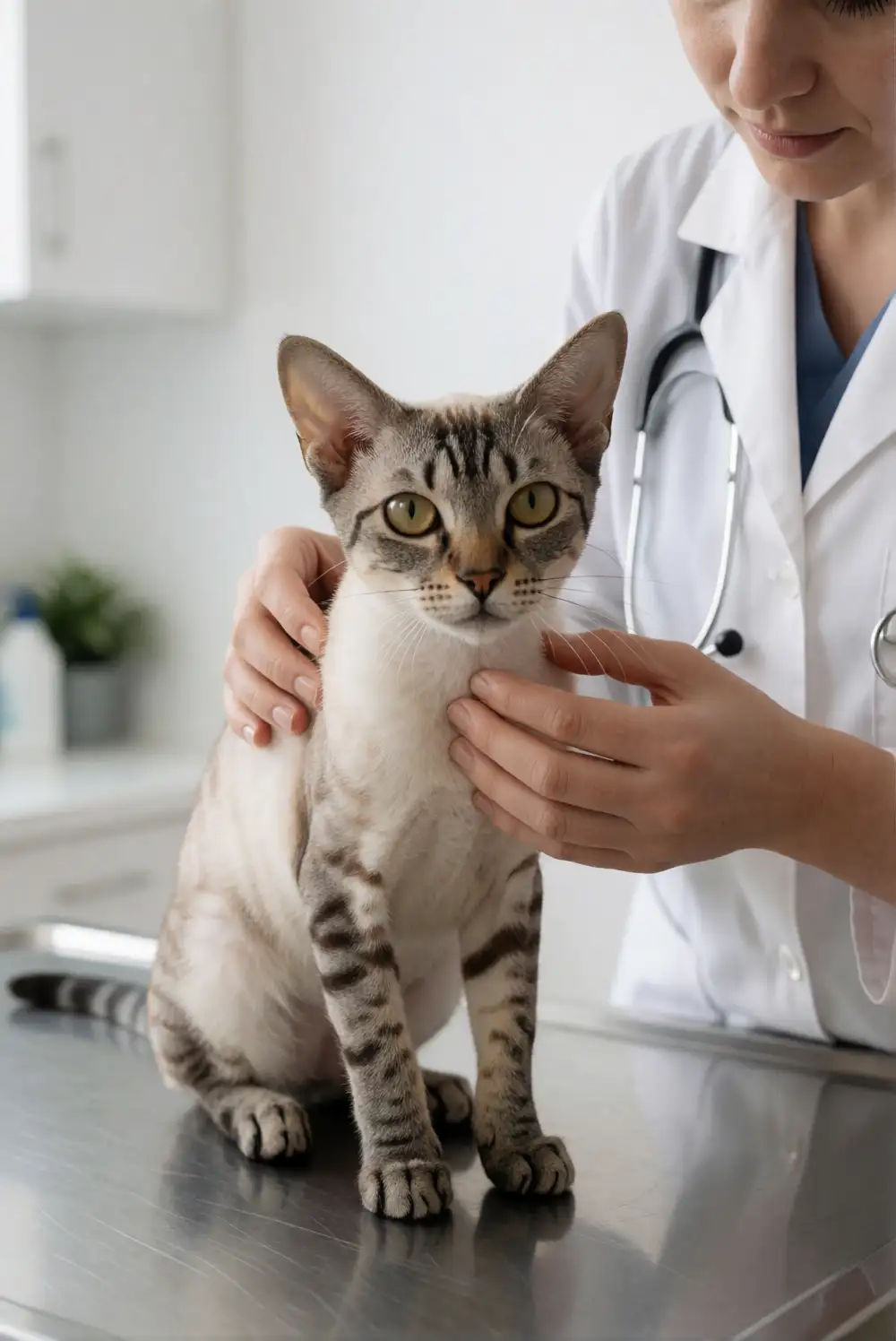
Your veterinarian is your best resource for understanding the specific dietary needs of your American Bobtail. Regular check-ups can help monitor their health and make necessary dietary adjustments.
Discuss any concerns about their weight, dietary preferences, or potential health issues to create a tailored feeding plan that promotes optimal health.
Exploring Options on CatHatch
When looking for high-quality food options or even new kittens, CatHatch is a great resource. Browse through available kittens from ethical breeders and find the right fit for your family.
Frequently Asked Questions
What should I feed my American Bobtail kitten?
Feed your American Bobtail kitten a high-protein diet with approximately 30-35% protein content. Look for quality kitten food that supports their rapid growth and development.
How much should I feed my adult American Bobtail?
The portion size depends on their weight and activity level, but generally, feeding them two meals a day and adjusting based on their body condition is recommended.
Can American Bobtails be fed a raw diet?
Yes, some owners choose to feed their cats a raw diet, but it requires careful planning to ensure nutritional balance. Consulting with a veterinarian is advised.
How can I tell if my American Bobtail is overweight?
A healthy American Bobtail has a visible waist and should not have excessive fat covering their ribs. Regularly monitor their weight and body condition to avoid obesity.
Do American Bobtails have special dietary needs?
While American Bobtails don’t have unique dietary requirements, their diet should be rich in high-quality protein, especially during their growing and senior years.