Understanding the European Burmese Kitten
The European Burmese is a charming breed known for its affectionate nature, playful personality, and striking looks. These kittens typically weigh between 6 to 12 pounds when fully grown and have a sleek, short coat that comes in a variety of beautiful colors. Proper nutrition is crucial in the early stages of their life to ensure they grow into healthy and happy adult cats.
As a European Burmese owner, it's essential to be aware of their specific dietary needs, which can vary based on their age and development stage. This guide will provide you with a feeding chart by age to help you make informed choices about your kitten's diet.
Feeding Chart by Age
Here's a general feeding chart for your European Burmese kitten to guide you through their dietary requirements at different growth stages:
- 0-4 Weeks: At this stage, kittens rely solely on their mother's milk or a high-quality kitten milk replacer if they are orphaned. Ensure they are nursing frequently.
- 4-8 Weeks: Begin introducing wet kitten food. Start with a high-quality, protein-rich canned food. Offer 4-5 small meals a day.
- 8-12 Weeks: Continue wet food and start mixing in dry kitten food. Gradually reduce meals to 3-4 times a day. Aim for balanced nutrition, focusing on high protein and fat content.
- 3-6 Months: Feed 3 meals a day, maintaining a mix of wet and dry food. Ensure the dry food is specifically formulated for kittens to support their growth needs.
- 6-12 Months: Transition to 2 meals a day. Maintain the same high-quality kitten food until about one year old, then consult your vet about switching to adult food.
Choosing the Right Food
When selecting food for your European Burmese kitten, look for formulas that meet the AAFCO standards for kitten growth and development. The food should list high-quality animal protein as the first ingredient. Avoid fillers like corn and soy, which provide little nutritional value.
Natural ingredients are always a plus. Consider brands that use real meat, wholesome grains, and vegetables. Additionally, consult with your veterinarian to tailor a diet that meets your kitten's specific health needs.
Hydration Matters
Water is just as important as food in your kitten's diet. Ensure that fresh, clean water is available at all times. Kittens may not drink as much water if they eat mainly dry food, so consider incorporating wet food into their diet to help with hydration.
Portion Control
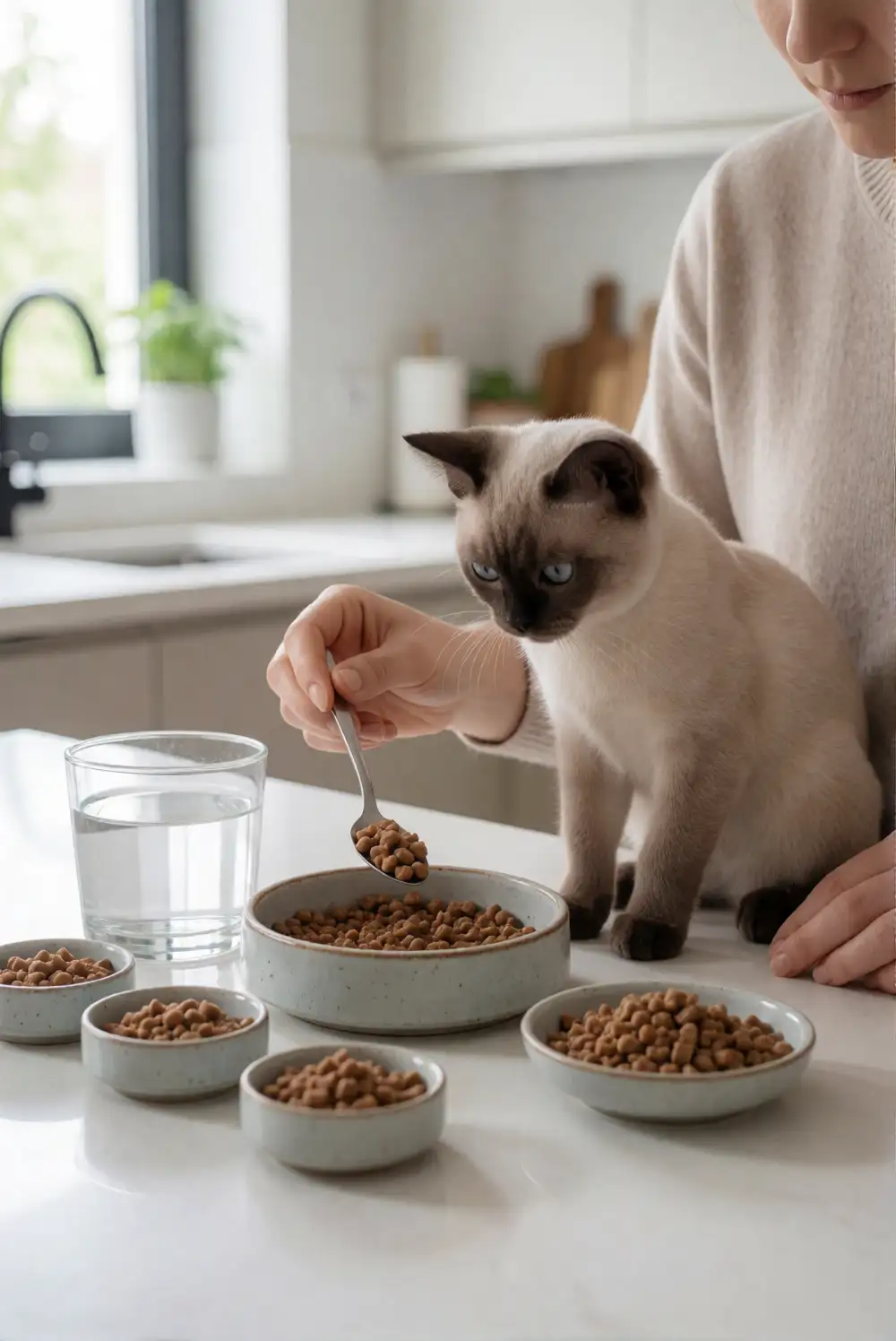
Overfeeding can lead to obesity, which is a concern for many breeds, including the European Burmese. Use the feeding guidelines provided on the food packaging as a starting point, but adjust based on your kitten's size, activity level, and overall health. Monitoring their weight regularly will help you make necessary adjustments.
Special Dietary Considerations
Some European Burmese cats may have specific dietary needs or food sensitivities. If you notice any digestive issues or allergies, reach out to your veterinarian for recommendations on specific diets or food brands that can accommodate these needs.
Feeding Schedule
Establishing a consistent feeding schedule helps your kitten feel secure and understand when to expect meals. Try to feed your European Burmese at the same times each day, so they can anticipate their feeding routine.
Transitioning Foods
If you need to change your kitten's food, do it gradually to prevent gastrointestinal upset. Mix a small amount of the new food with their current food and slowly increase the new food over a week or so. This will help your European Burmese adjust to the new flavor and texture.
Monitor Their Health
Regular veterinary check-ups are vital during your kitten's growth phase. Discuss any concerns about their diet, weight, or overall health with your vet. They can provide valuable insights tailored to your European Burmese's unique needs.
Conclusion
Feeding your European Burmese kitten the right diet is essential for their growth and well-being. By following the feeding chart and being attentive to their specific nutritional needs, you can help them thrive. Remember, you can always browse available kittens or breeders on CatHatch to find your next furry companion.
Frequently Asked Questions
What should I feed my European Burmese kitten?
Feed your European Burmese kitten a high-quality, protein-rich diet formulated specifically for kittens. Look for wet and dry food options that meet AAFCO standards.
How many meals a day should a European Burmese kitten eat?
For kittens aged 8-12 weeks, aim for 3-4 meals a day. Once they are 6-12 months, you can reduce this to 2 meals a day.
Can I give my European Burmese kitten treats?
Yes, but keep treats to a minimum. Look for healthy, low-calorie options that are specifically formulated for kittens.
When can I switch my European Burmese kitten to adult food?
Consult your veterinarian, but typically, you can transition to adult food around one year of age.
What are common health issues in European Burmese cats?
European Burmese cats can be prone to certain health issues, including dental problems and obesity. Regular vet check-ups can help monitor their health.