Overview of the Snowshoe Cat Breed
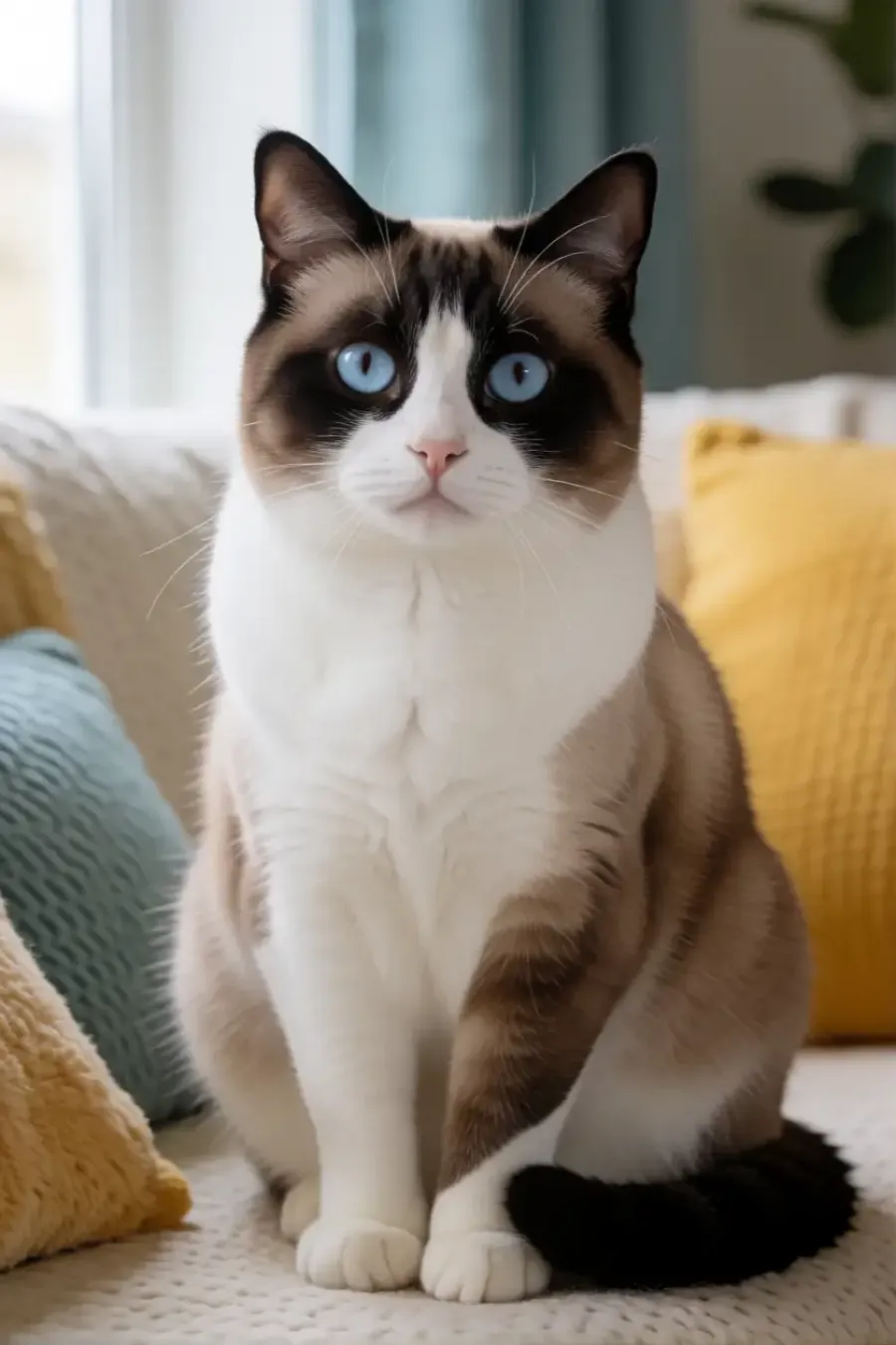
The Snowshoe cat is a unique and charming breed, known for its striking appearance and friendly demeanor. This breed emerged in the 1960s in the United States when breeders sought to create a distinct feline by crossing the Siamese with the American Shorthair. The result is a beautiful cat with a short, plush coat, stunning blue eyes, and recognizable white markings on its paws and face.
Snowshoes typically weigh between 9 to 12 pounds, making them a medium-sized breed. Their athletic build and playful nature make them both adorable and engaging companions. These cats are not just about looks; their affectionate personality makes them ideal for families or individuals seeking a loving pet.
Physical Characteristics
The most defining feature of the Snowshoe cat is its striking coat, which can come in various colors, including seal point, blue point, chocolate point, and lilac point. Their short coat is easy to care for and requires minimal grooming. The breed is also characterized by its unique white markings, which include white paws, a white face, and a distinctive inverted 'V' on their forehead.
Snowshoes have a sturdy, muscular body and a slightly rounded head with prominent cheekbones. Their large, expressive blue eyes give them an almost human-like quality, enhancing their charm. Their ears are medium-sized and can be slightly rounded at the tips, contributing to their overall balanced appearance.
Temperament and Behavior
This breed is also known for being vocal, often expressing their needs and desires through a range of sounds. Their communication style is engaging and interactive, reflecting their strong bond with their human families. Snowshoes are intelligent and can be trained to perform tricks or follow commands, making them an ideal choice for those who enjoy an active and involved pet.
Health and Lifespan
The average lifespan of a Snowshoe cat ranges from 13 to 18 years, which is relatively long for a cat breed. Like all breeds, they are prone to certain health concerns, including dental issues and obesity. Regular vet check-ups and a balanced diet can help mitigate these risks.
Additionally, maintaining a healthy weight is crucial for Snowshoes due to their muscular build. Providing regular exercise through playtime and interactive toys will not only keep them physically fit but also mentally stimulated.
Grooming Needs
One of the advantages of owning a Snowshoe cat is their low grooming needs. Their short, dense coat requires minimal maintenance—just a weekly brushing to remove loose hair and distribute natural oils. This grooming routine keeps their coat healthy and shiny.
Additionally, regular dental care is essential in preventing dental issues. Brushing your cat's teeth and offering dental treats can significantly improve their oral health. Regularly check their ears and paws to ensure cleanliness, especially if your Snowshoe spends time outdoors.
Feeding Your Snowshoe Cat
Feeding your Snowshoe cat a high-quality diet is essential to their health and wellbeing. Look for cat food that lists meat as the first ingredient and is appropriate for their age and activity level. Due to their playful and active nature, Snowshoes might require more calories than sedentary cats.
It’s also important to monitor their food intake to avoid obesity, a common concern for many breeds. Consult your veterinarian for personalized feeding recommendations, ensuring your Snowshoe receives all the necessary nutrients for a long and healthy life.
Creating a Safe Environment
Snowshoe cats thrive in environments where they can explore and play. They enjoy climbing, so providing cat trees or shelves can keep them entertained. Ensure your home is safe by removing any hazards or toxic plants and securing windows and balconies.
Interactive toys, puzzle feeders, and scratching posts will keep your Snowshoe mentally stimulated and physically active. Social interactions are also crucial for their happiness, so consider adopting a companion or spend quality time playing with them daily.
Adopting a Snowshoe Cat
If you're considering bringing a Snowshoe cat into your home, it's important to find a reputable breeder or consider adoption from a rescue organization. Snowshoes are not as common as some other breeds, so patience might be required to find one.
When looking for a kitten, ensure that the breeder follows ethical practices and prioritizes the health and wellbeing of their cats. You can also browse available kittens or breeders on CatHatch to find the perfect Snowshoe companion for your family.
Conclusion
The Snowshoe cat is a delightful breed known for its friendly personality and stunning appearance. With proper care, they can be a loving addition to any household. Their low grooming needs and playful nature make them a suitable choice for both experienced cat owners and first-time pet parents. Whether you're looking for a companion to snuggle with or a playful friend to engage with, the Snowshoe may be the perfect fit for you.
Frequently Asked Questions
What is the temperament of a Snowshoe cat?
Snowshoe cats are known for their affectionate and playful nature. They are social and enjoy interacting with their families, making them great companions.
How big do Snowshoe cats get?
Snowshoe cats are medium-sized, typically weighing between 9 to 12 pounds. They have a sturdy and muscular build.
What health issues do Snowshoe cats face?
Snowshoe cats can be prone to dental issues and obesity, so regular veterinary check-ups and a balanced diet are important for their health.
How much grooming do Snowshoe cats require?
Snowshoe cats require minimal grooming due to their short coat. A weekly brushing is usually sufficient to keep their coat healthy and free of loose hair.
Where can I find a Snowshoe cat?
You can browse available kittens or breeders on CatHatch to find a Snowshoe cat that fits your lifestyle and home.