Overview of the Siberian Cat Breed
The Siberian cat is a striking and majestic breed known for its powerful build and stunning coat. Originating from the cold regions of Siberia, these cats are well-adapted to harsh climates with their dense, water-repellent fur. Siberians are medium to large in size, typically weighing between 10 to 20 pounds, with males generally being larger than females.
Known for their friendly and affectionate nature, Siberian cats make excellent companions. They are often described as playful, social, and intelligent, enjoying both playtime and quiet moments with their humans. This breed's captivating personality and beauty make them a popular choice among cat lovers.
Physical Characteristics
Siberian cats are known for their striking appearance. They possess a robust, muscular body, with a broad head and large, rounded eyes that convey warmth and curiosity. Their medium to long fur is thick and fluffy, featuring a ruff around the neck, which enhances their majestic look.
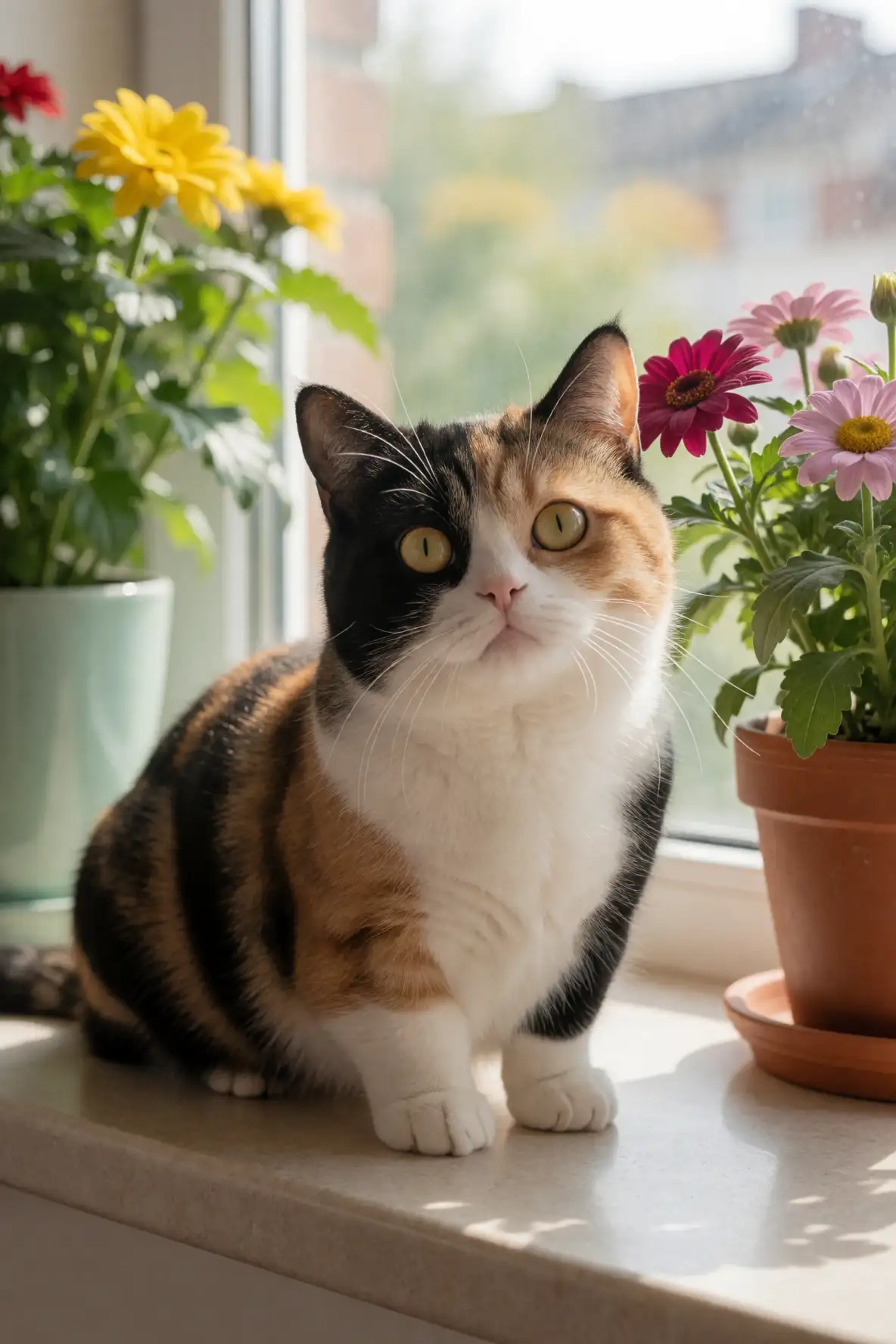
The coat comes in various colors and patterns, from solid to tabby, and even tortoiseshell. Their bushy tails and tufted ears add to their charm, making them look like little lions. Regular grooming is essential to maintain their beautiful fur and prevent matting.
Temperament and Behavior
The Siberian cat is renowned for its friendly and sociable disposition. They thrive on companionship and often bond closely with their families. This breed is known to get along well with children and other pets, making them an excellent choice for families.
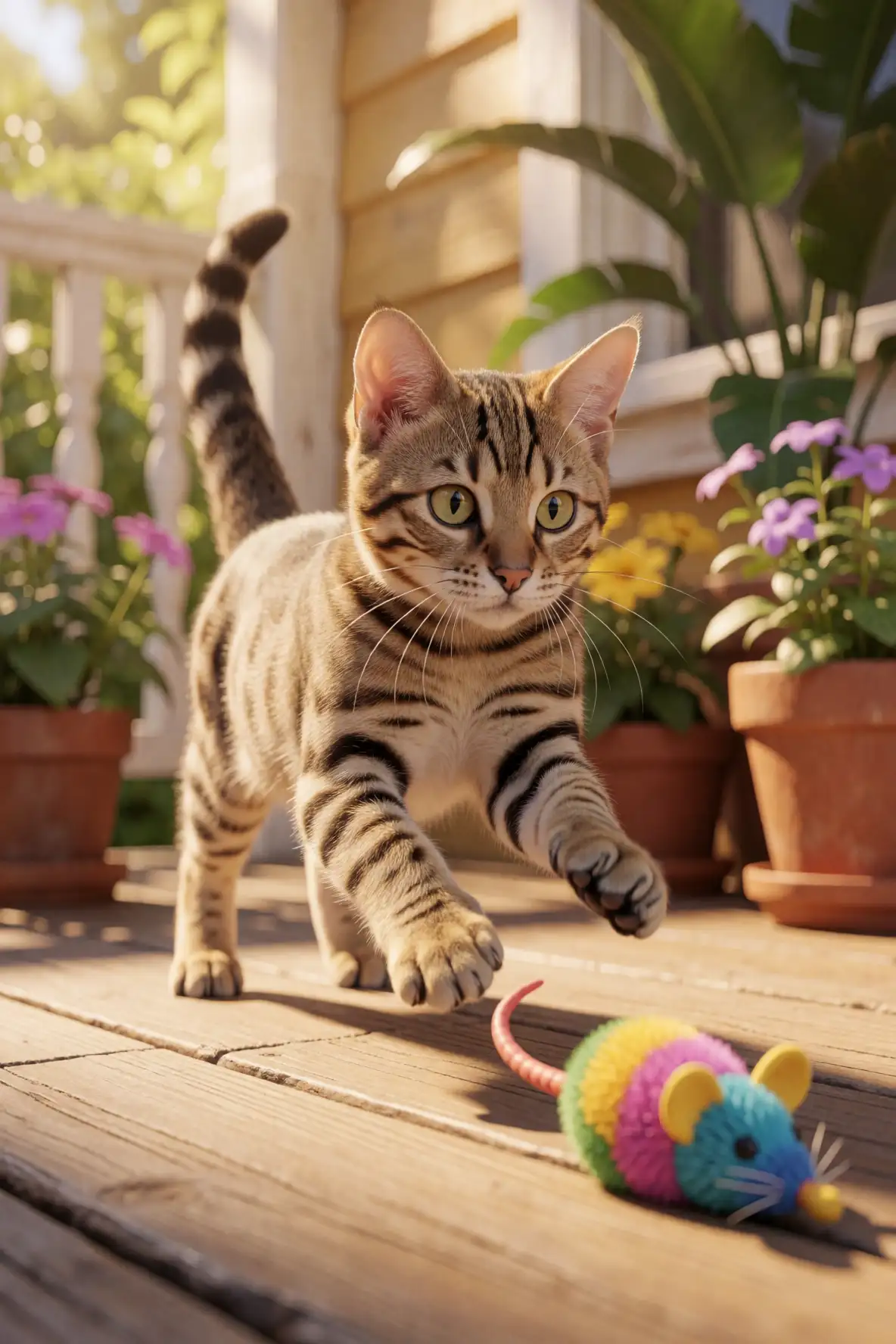
They are also quite intelligent and curious, often engaging in playful antics that keep their owners entertained. Siberians enjoy interactive play and puzzle toys, along with climbing structures where they can exhibit their agility and natural climbing skills.
Health Considerations
Siberian cats are generally healthy, but like all breeds, they may be prone to specific health issues. Hypertrophic cardiomyopathy (HCM), a common heart condition in cats, has been noted in the breed. Regular veterinary check-ups and a healthy diet can help mitigate these risks.
Additionally, maintaining a healthy weight is essential, as obesity can lead to other health concerns. Owners should be proactive in managing their cat's diet and exercise routine to ensure they lead a happy, healthy life.
Grooming Needs
Despite their long fur, Siberian cats are relatively low-maintenance when it comes to grooming. Their water-repellent coat does not mat easily, but they benefit from regular brushing to reduce shedding and keep their fur looking its best. A brush once or twice a week is usually sufficient.
During shedding season, more frequent grooming may be necessary to manage loose fur. Regular grooming also provides an excellent opportunity to check for any skin issues or parasites.
Feeding and Nutrition
A balanced diet is crucial for the overall health of your Siberian cat. High-quality cat food that meets their nutritional needs is essential, especially considering their active nature. Look for foods rich in protein and tailored for their life stage, whether kitten, adult, or senior.
Be mindful of portion sizes and avoid overfeeding, as Siberians can be prone to obesity. Fresh water should always be available, and consider incorporating wet food into their diet for added hydration.
Training Your Siberian Cat
Siberian cats are intelligent and eager to please, which makes them relatively easy to train. Start with basic commands and litter box training from a young age. Positive reinforcement techniques, such as treats and praise, work wonders with this breed.
They also enjoy mental stimulation, so incorporating tricks and interactive play into your training sessions can keep them engaged and happy. Regular training helps strengthen the bond between you and your Siberian cat.
Creating a Cat-Friendly Home
To keep your Siberian cat happy, it’s essential to create a stimulating and safe environment. Provide plenty of climbing opportunities, such as cat trees and shelves, as they love to explore vertical spaces. Toys that encourage play, such as feather wands and interactive puzzles, will keep them entertained.
Ensure that you have safe spaces for your cat to retreat to when they need some alone time. Cozy beds and quiet corners can help them feel secure in their environment.
Finding Siberian Kittens
When looking for a Siberian kitten, it’s crucial to choose a reputable breeder who adheres to ethical breeding practices. This ensures that you are getting a healthy kitten with a good temperament. You can browse available Siberian kittens on CatHatch, where ethical breeders are featured to help you find your perfect match.
Ask potential breeders about health screenings and the socialization of their kittens. A responsible breeder will provide you with the necessary information to make an informed decision.
Preparing for Your New Kitten
Before bringing your new Siberian kitten home, prepare by purchasing essential supplies like a litter box, scratching post, toys, and a comfortable bed. Setting up a designated area for your kitten can help them adjust to their new environment more easily.
Introduce them gradually to different areas of your home and supervise their interactions with other pets. Patience is key as they settle into their new surroundings and learn to feel at home.
Socializing Your Siberian Cat
Socialization is vital for Siberian cats, especially during their kittenhood. Expose them to various experiences, people, and other pets to help them grow into well-rounded adults. Positive experiences during this time can significantly influence their behavior and adaptability later in life.
Continue to engage with them throughout their life through play and interaction, fostering a strong relationship built on trust and companionship.
Common Misconceptions about Siberian Cats
One common misconception is that Siberian cats are aloof and standoffish, which could not be further from the truth. They are known for their affectionate nature and often seek out human companionship. Another myth is that their long fur requires extensive grooming, while, in reality, their coat is low-maintenance compared to other long-haired breeds.
Understanding these misconceptions can help potential owners appreciate the true nature of Siberian cats and make informed decisions about bringing one into their home.
Frequently Asked Questions
Are Siberian cats hypoallergenic?
While no cat is completely hypoallergenic, Siberian cats are known to produce lower levels of Fel d 1, a common allergen found in cat saliva. This may make them a better choice for allergy sufferers compared to other breeds.
How long do Siberian cats live?
The average lifespan of a Siberian cat is around 12 to 15 years, although some may live longer with proper care. Regular veterinary check-ups and a healthy lifestyle can contribute to their longevity.
Do Siberian cats shed a lot?
Siberian cats do shed, but their thick fur helps to minimize matting. Regular grooming helps manage shedding, especially during seasonal changes when they may shed more.
How much do Siberian kittens cost?
The price of Siberian kittens can range from $1,500 to $3,000, depending on the breeder, lineage, and geographical location. It's essential to choose a reputable breeder who prioritizes the health and well-being of their cats.
Can Siberian cats be left alone?
While Siberian cats can tolerate being alone for several hours, they thrive on companionship. If you need to be away frequently, consider getting another pet or ensuring they have plenty of toys and activities to keep them entertained.