Rarest Cat Breeds in the World
Introduction to Rare Cat Breeds
In the diverse world of felines, some breeds stand out due to their scarcity, captivating traits, and rich histories. Rare cat breeds can be a fascinating choice for cat lovers seeking a unique companion. This article delves into the characteristics that define these elusive breeds and why they might be the perfect addition to your family.
1. Ashera Cat
The Ashera is one of the rarest cat breeds in the world, known for its stunning resemblance to wild cats while being domesticated. This hypoallergenic breed can weigh between 20 to 30 pounds and has a striking coat with unique spotted patterns. Originating from a mix of the African serval, the Asian leopard cat, and domestic cats, the Ashera is not only beautiful but also requires plenty of space and stimulation.
2. Savannah Cat
Another exotic breed, the Savannah cat, is a cross between a domestic cat and a serval, a wild African cat. Known for their tall, athletic bodies and striking spotted coats, Savannahs can weigh from 12 to 25 pounds. They are highly social and intelligent, often likened to dogs for their loyalty and playfulness. The rarity of F1 and F2 generations, being first and second generation hybrids, makes them particularly sought after.
3. Khao Manee
The Khao Manee cat, originally from Thailand, is noted for its all-white coat and blue or odd-colored eyes. This breed is known for its friendly and affectionate nature. Weighing around 8 to 12 pounds, Khao Manees are well-suited for families and are quite rare outside of their native country. Their unique appearance and loving temperament make them a prized companion.
4. LaPerm
With its curly coat that can vary in texture, the LaPerm cat is a unique breed that originated in the United States in the 1980s. Their curls can be tight or loose, and their playful personalities make them a joy to have around. Weighing between 6 to 10 pounds, they are affectionate and enjoy being around people and other pets. The LaPerm's rarity stems from its relatively recent development and the limited number of breeders.
5. Sokoke
The Sokoke cat is an African breed that is rare due to its restricted geographical origin. It is characterized by its unique tabby coat patterns and muscular build. Weighing around 6 to 10 pounds, Sokokes are known for their energetic and playful nature. Their rarity is partly due to their limited breeding outside of Kenya, making them a special find for cat enthusiasts.
6. American Wirehair
With its distinctive wiry coat, the American Wirehair is a rare breed that came into existence in the 1960s. They are known for their friendly and adaptable nature, weighing between 6 to 12 pounds. Their unique coat is a result of a natural mutation, and they come in various colors and patterns. Although they are gaining popularity, they remain one of the rarer breeds in the cat world.
7. Turkish Van
The Turkish Van is known for its affinity for water and love of swimming, a unique trait not often seen in cats. This breed has a semi-longhaired coat, typically white with colored markings on the head and tail. Weighing about 10 to 20 pounds, Turkish Vans are playful, energetic, and affectionate. Their rarity is attributed to their specific breeding requirements and the limited number of breeders.
8. Bengal Cat
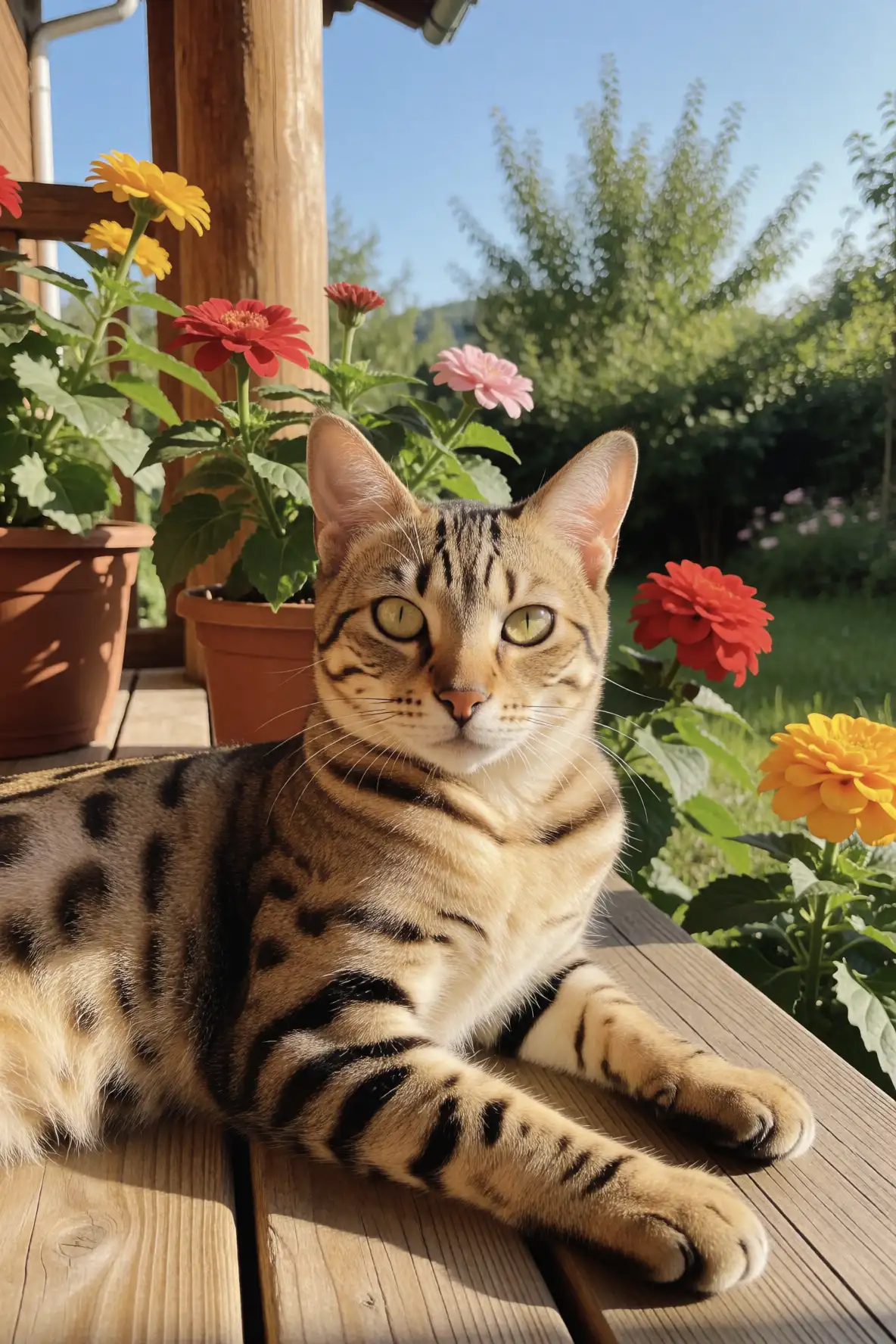
The Bengal cat is renowned for its striking coat that resembles that of a leopard. This breed is a hybrid of domestic cats and the Asian leopard cat, giving it a wild appearance. With weights ranging from 8 to 15 pounds, Bengals are active and intelligent, requiring plenty of mental and physical stimulation. Their rarity stems from the complexity of breeding and the demand for specific traits.
9. Peterbald
The Peterbald is a hairless breed that emerged in Russia and is known for its elegant and slender build. Weighing between 8 to 10 pounds, these cats are affectionate and often form strong bonds with their owners. Their rarity is due to their unique genetics and specialized breeding practices. Despite their lack of fur, they are warm and loving companions.
10. British Shorthair
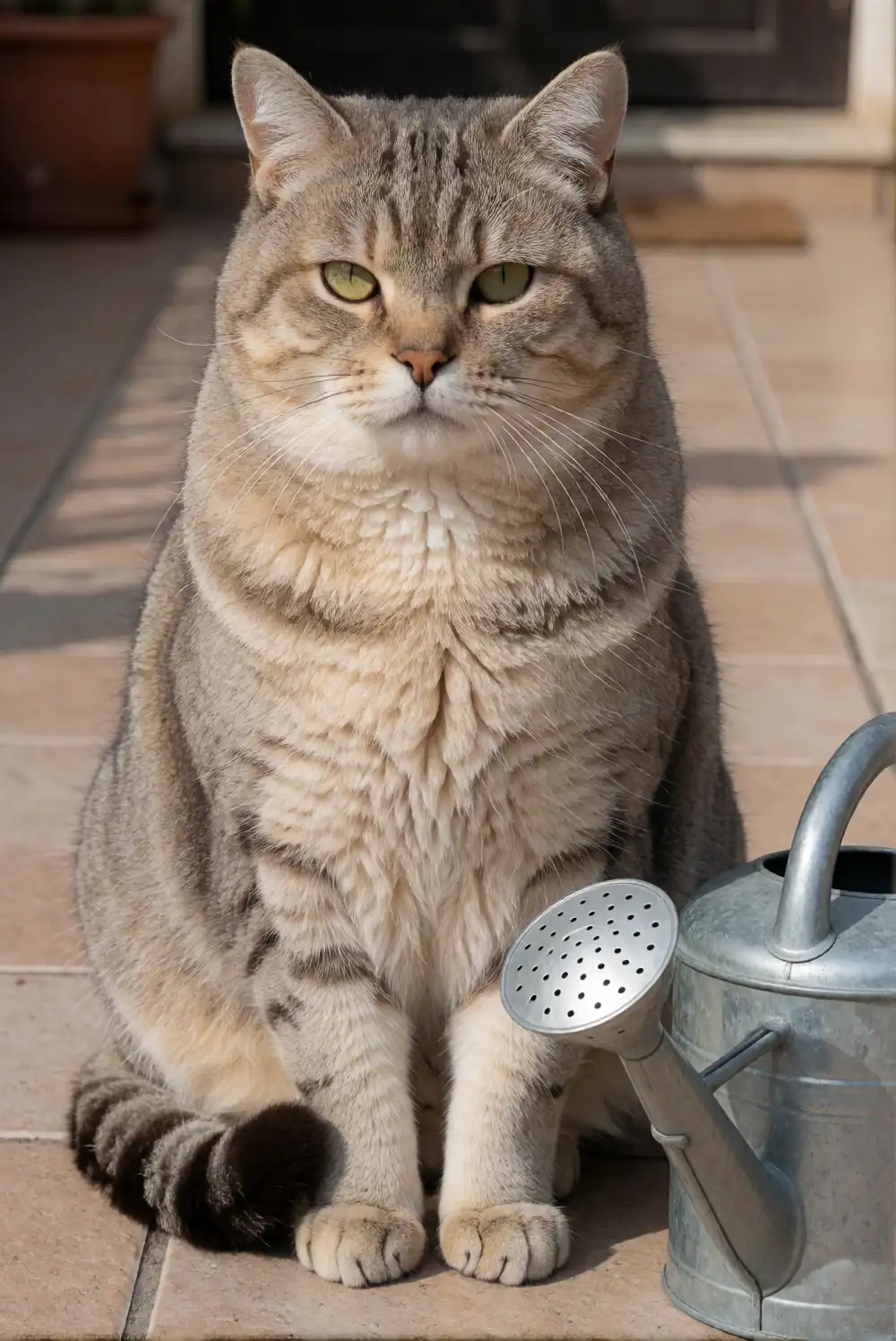
Although more common than some on this list, the British Shorthair can still be rare in certain coat colors and patterns. Known for their dense and plush coats, they typically weigh between 9 to 18 pounds. Their calm demeanor and affectionate nature make them a popular choice among families. Unique color variations, such as the lilac and cream, can be hard to find, contributing to their rarity.
11. Singapura
The Singapura is one of the smallest cat breeds, weighing only 4 to 8 pounds. This breed has a distinctive ticked coat and a playful, inquisitive personality. Originating from Singapore, they are known for their affectionate nature and bond closely with their owners. Their rarity comes from their limited numbers and the challenges of breeding.
12. Conclusion
Choosing a rare cat breed can be a rewarding experience, providing you with a unique companion that stands out from the crowd. Whether you opt for the striking Ashera or the playful Khao Manee, each breed comes with its own set of characteristics and needs. If you're considering adding a rare cat to your home, browse available kittens or breeders on CatHatch to find your perfect match!
Frequently Asked Questions
What is the rarest cat breed in the world?
The rarest cat breed can vary, but many consider the Ashera cat to be among the rarest due to its limited numbers and unique hybrid status.
Are rare cat breeds more expensive?
Yes, rare cat breeds often come with a higher price tag due to their limited availability and the costs associated with breeding and maintaining them.
How can I find a rare cat breed?
You can find rare cat breeds by searching through specialized breeders or dedicated marketplaces like CatHatch, which focus on ethical breeding practices.
Do rare cat breeds have special care needs?
Yes, many rare cat breeds may have specific care requirements based on their genetics and characteristics. It’s essential to research each breed to ensure you can meet their needs.
Can I adopt a rare cat breed?
While rare cat breeds are often purchased from breeders, some may occasionally appear in rescue organizations or shelters, so it's worth checking local adoption centers.
Explore These Breeds
Ready to Find Your Kitten?
Browse available kittens from verified breeders across the USA.