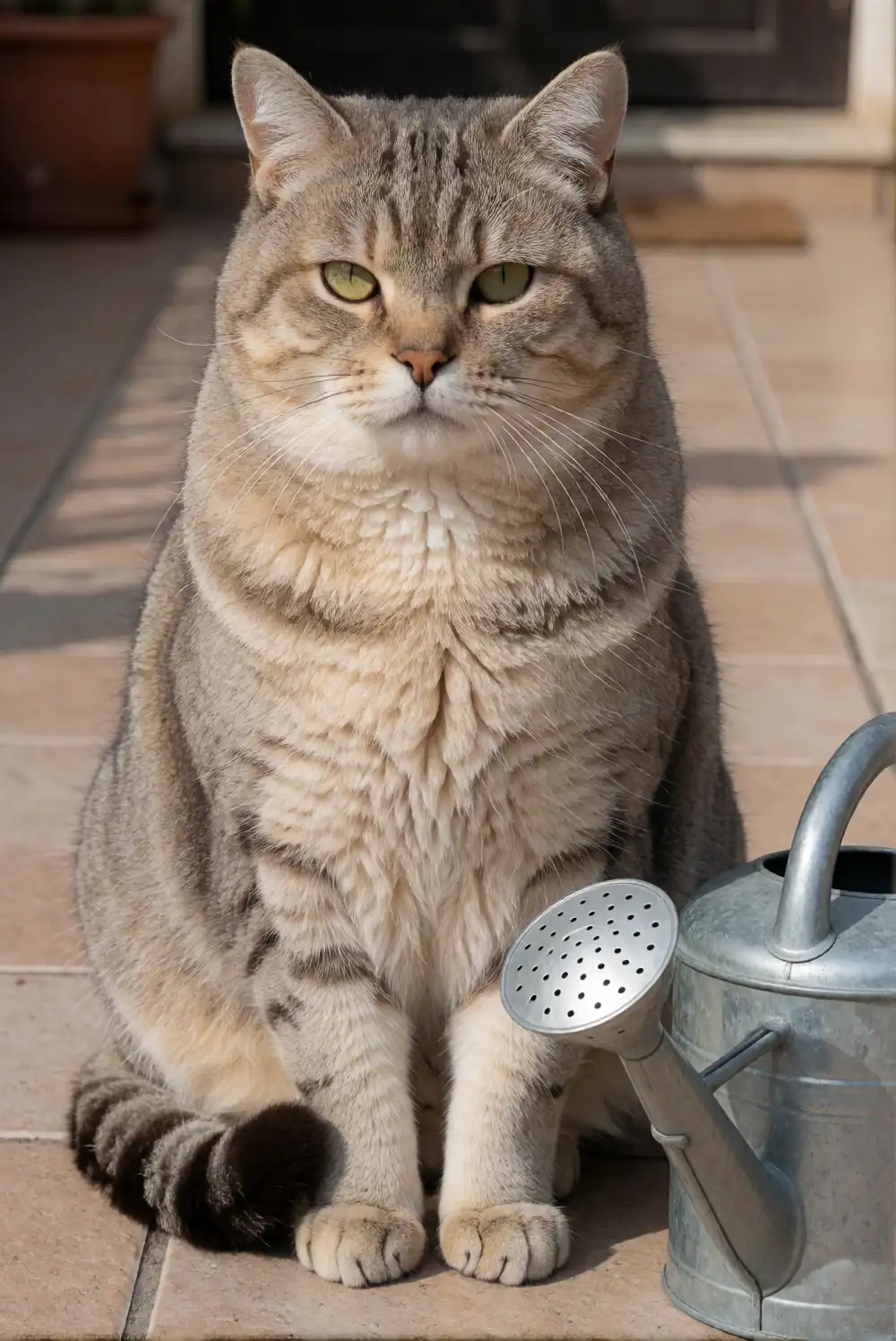
Ragdoll Cat Breed: The Complete Guide for 2026

Overview of Ragdoll Cats
The Ragdoll cat is a large, affectionate breed known for its striking blue eyes and semi-long fur. They are famously friendly and are often described as ‘dog-like’ in their attachment to humans. Ragdolls were first developed in the 1960s and have since become one of the most beloved breeds among cat lovers.
With a gentle temperament and playful nature, Ragdolls make excellent family pets. They enjoy being around people and often follow their owners from room to room, seeking companionship and affection.
Physical Characteristics
Ragdolls are one of the largest domestic cat breeds, with males typically weighing between 15-20 pounds and females around 10-15 pounds. They have a sturdy, muscular build and a gentle, rounded face. Their coat is soft and silky, requiring regular grooming to prevent matting.
The breed features unique color-point markings, which means their ears, face, paws, and tail are darker than the rest of their body. Common colors include blue, chocolate, lilac, and cream, often with white markings.
Temperament
This breed is also known for being gentle and patient, which makes them excellent companions for children and other pets. Their tendency to go limp when picked up has contributed to their name, as they often behave like a ‘floppy rag doll’ in their owner’s arms.
Health Considerations
While Ragdolls are generally healthy, they are predisposed to certain genetic conditions, particularly hypertrophic cardiomyopathy (HCM), a heart disease common in the breed. Regular veterinary check-ups are essential to monitor their health.
Ragdolls are also prone to obesity due to their large size, so maintaining a balanced diet and encouraging playtime is crucial. Ensure that your Ragdoll has access to high-quality cat food and fresh water at all times.
Grooming Needs
Training and Socialization
Lifespan and Care
Finding a Ragdoll Kitten
Cost of Ragdoll Cats
Common Misconceptions
Living Arrangements
Conclusion
By welcoming a Ragdoll into your home, you’ll not only gain a beautiful pet but also a devoted friend who will bring joy to your life.
Frequently Asked Questions
Are Ragdoll cats hypoallergenic?
Ragdolls are not considered hypoallergenic, but they tend to produce less allergenic proteins compared to some other breeds. Regular grooming and cleaning can help minimize allergens.
Do Ragdolls get along with dogs?
Yes, Ragdolls are typically friendly and can coexist well with dogs, especially if they are socialized together from a young age. Their gentle nature often helps them adapt to various pets.
How much exercise do Ragdolls need?
Ragdolls enjoy playtime and should be engaged with toys and activities daily. Aim for at least 15-30 minutes of interactive play each day to keep them happy and healthy.
What type of food is best for Ragdolls?
High-quality cat food that is rich in protein and low in fillers is best for Ragdolls. Look for products specifically formulated for their dietary needs and consider consulting your vet for recommendations.
Can Ragdolls stay alone for long periods?
While Ragdolls can be left alone for a few hours, they thrive on companionship. If you are away for long periods, consider adopting two cats to keep each other company.
Explore These Breeds
Ready to Find Your Kitten?
Browse available kittens from verified breeders across the USA.