Norwegian Forest Cat Cat Breed: The Complete Guide for 2026
Introduction to the Norwegian Forest Cat
The Norwegian Forest Cat is a striking breed known for its robust build, lush coat, and friendly nature. Originating from the forests of Norway, this breed has adapted to cold climates with its thick, water-repellent fur and sturdy physique. If you're considering adding one of these enchanting cats to your home, understanding their specific needs is essential for a happy, healthy life.
Physical Characteristics
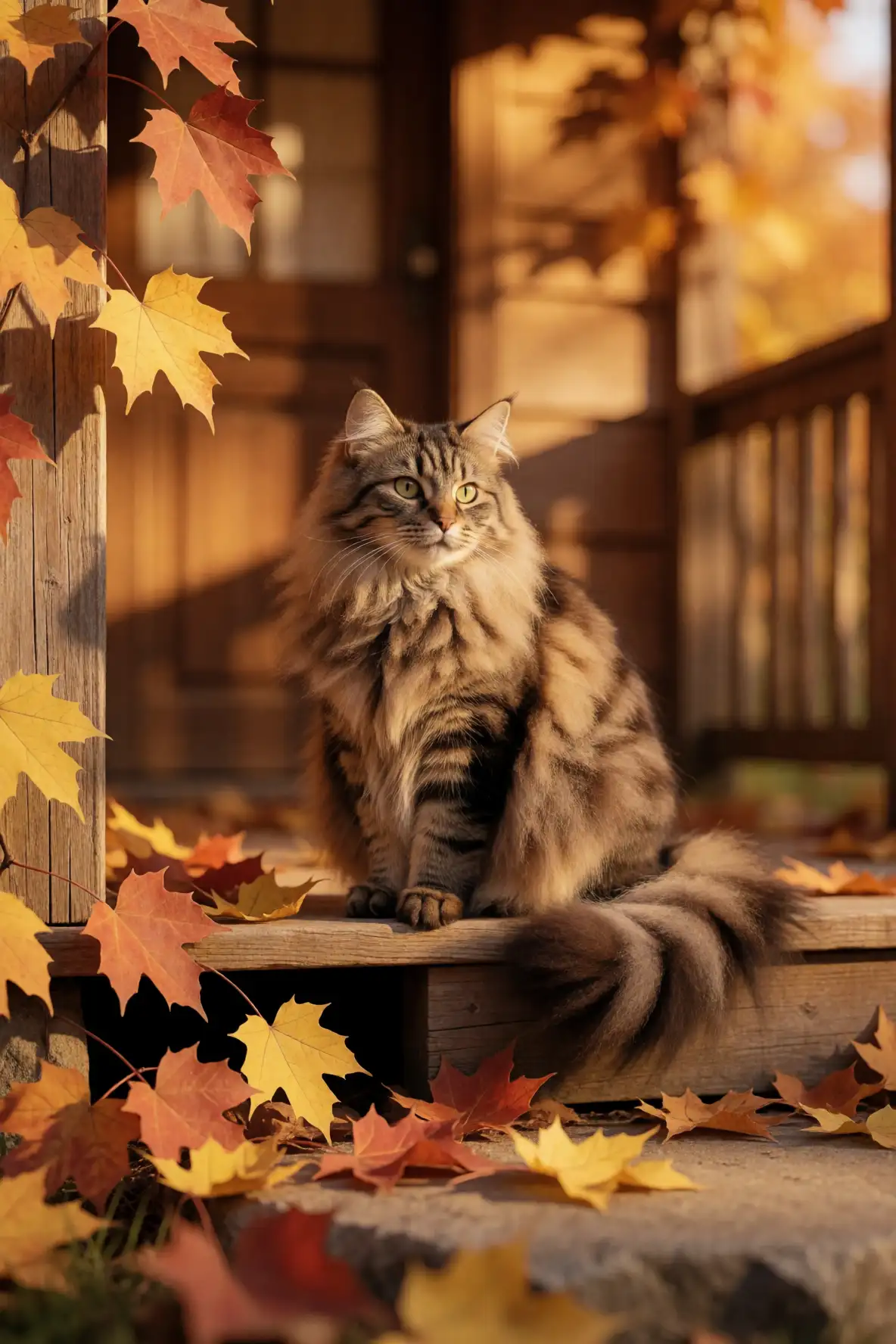
The Norwegian Forest Cat is a large breed, typically weighing between 9 to 18 pounds. They have a muscular and solid frame, with a broad skull and triangular-shaped face. One of their most distinctive features is their long, bushy tail, which they use for balance and warmth. Their fur is semi-long and consists of a dense undercoat and a top coat of longer guard hairs, making them look majestic, especially in winter.
Temperament and Personality
Health and Lifespan
Generally, Norwegian Forest Cats are healthy, with a lifespan ranging from 12 to 16 years. However, they can be prone to certain genetic conditions, such as hypertrophic cardiomyopathy (HCM), a heart disease that affects many cats. Regular veterinary check-ups and a healthy diet can help mitigate these risks. Make sure to find an ethical breeder who screens for genetic issues when looking for a kitten.
Grooming Needs
Grooming is essential for the Norwegian Forest Cat due to their thick fur. While they are known to be self-groomers, regular brushing—ideally once a week—is important to prevent matting and reduce shedding. During shedding season, which typically occurs in spring and fall, more frequent brushing is recommended. Pay special attention to areas behind the ears and under the legs, where mats can easily form.
Nutrition Requirements
Training and Socialization
Training a Norwegian Forest Cat can be a rewarding experience. They are intelligent and learn quickly, often responding well to positive reinforcement techniques. Early socialization is important; expose them to various people, pets, and environments to develop their confidence and adaptability. Basic commands and litter training can typically be accomplished with patience and consistency.
Living Environment
Norwegian Forest Cats thrive in a stimulating environment. They enjoy climbing and exploring, so providing vertical space like cat trees or shelves can keep them happy. If possible, creating an outdoor enclosure or supervised outdoor time can satisfy their natural curiosity and adventurous spirit. However, ensure that any outdoor space is safe and secure.
Common Myths About Norwegian Forest Cats
There are several myths surrounding Norwegian Forest Cats that can mislead potential owners. One common misconception is that they require extensive grooming; in reality, with regular brushing, they maintain their coats quite well. Another myth is that they are solely outdoor cats, but they can thrive indoors if provided with enrichment and stimulation. Understanding these truths can help you provide the best care for your Norwegian Forest Cat.
Finding Your Norwegian Forest Cat
When searching for a Norwegian Forest Cat, consider reputable breeders who prioritize the health and well-being of their cats. You can also check local shelters and rescues. CatHatch is a great resource to browse available Norwegian Forest Kittens from ethical breeders, ensuring you find a perfect match for your family.
Conclusion
The Norwegian Forest Cat is a beautiful and engaging breed that can make a wonderful addition to your home. With their friendly personality, striking appearance, and adaptable nature, they are well-suited for families and individuals alike. By understanding their unique needs and characteristics, you can provide a loving and nurturing environment for your new feline friend.
Frequently Asked Questions
What is the typical size of a Norwegian Forest Cat?
Norwegian Forest Cats are large cats, weighing between 9 to 18 pounds when fully grown, with males typically being larger than females.
Are Norwegian Forest Cats hypoallergenic?
While no cat is completely hypoallergenic, Norwegian Forest Cats may produce fewer allergens compared to other breeds. However, it's best to spend time with the breed before committing to see if any allergic reactions occur.
Do Norwegian Forest Cats get along with other pets?
Yes, Norwegian Forest Cats are known for their friendly and sociable nature, making them generally good companions for other pets, including dogs and cats.
How much exercise do Norwegian Forest Cats need?
Norwegian Forest Cats enjoy playtime and exploration, so providing them with toys, climbing structures, and interactive play sessions can help meet their exercise needs.
What kind of health issues are common in Norwegian Forest Cats?
Norwegian Forest Cats can be prone to genetic conditions such as hypertrophic cardiomyopathy (HCM) and hip dysplasia. Regular veterinary check-ups can help in early detection and management.
Ready to Find Your Kitten?
Browse available kittens from verified breeders across the USA.