Understanding the Norwegian Forest Cat
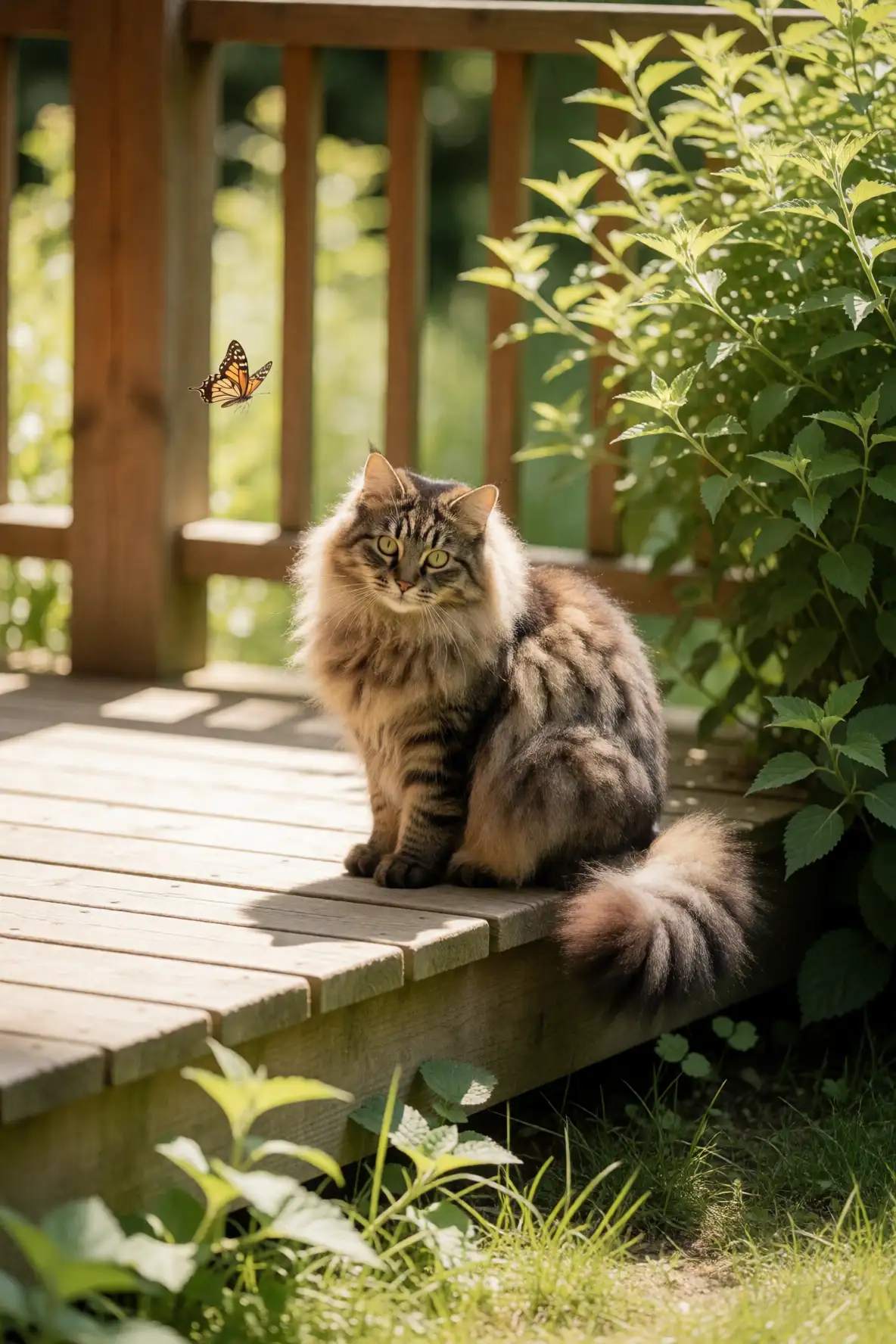
The Norwegian Forest Cat, often simply called the “Wegie,” is a majestic breed known for its robust body, thick fur, and bushy tail. Originating from Norway, these cats have adapted to harsh climates, which has influenced their physical characteristics and overall health. A typical Norwegian Forest Cat is large, with males averaging between 15 to 22 pounds and females slightly smaller, ranging from 10 to 18 pounds.
In addition to their size, Norwegian Forest Cats have a unique double-layered coat that protects them from cold weather. This breed is not only beautiful but also exhibits a friendly and playful temperament, making them great companions. However, understanding their lifespan and health is crucial for every prospective owner.
Lifespan of Norwegian Forest Cats
The average lifespan of a Norwegian Forest Cat is between 12 to 16 years, although some may live longer with proper care. Factors such as genetics, diet, and overall health can influence their lifespan, so it's essential to provide them with a nurturing environment.
Regular veterinary check-ups, a balanced diet, and adequate exercise play significant roles in extending their lives. Since these cats are known to be relatively healthy, with fewer hereditary conditions, owners can often expect a long and fulfilling companionship.
Common Health Issues
While Norwegian Forest Cats are generally robust, they aren’t entirely free from health issues. They can be prone to certain genetic conditions such as hypertrophic cardiomyopathy (HCM), which is a heart disease affecting many cat breeds. Early detection is key; therefore, regular vet exams that include heart health screening are advisable.
Additionally, these cats may experience hip dysplasia, which can cause discomfort and mobility issues. Keeping an eye on their weight and ensuring they remain active can help mitigate these risks.
Nutrition for a Healthy Life
A well-balanced diet is crucial for the health and longevity of your Norwegian Forest Cat. High-quality cat food that is rich in protein and low in carbohydrates will support their active lifestyle and help maintain their weight.
Consulting with your veterinarian on dietary needs specific to your cat's age, weight, and health conditions can help you make informed choices. Supplements, particularly omega fatty acids, can also contribute to a healthy coat and skin.
Regular Veterinary Care
Regular veterinary check-ups are paramount in ensuring the long-term health of your Norwegian Forest Cat. Annual visits can help catch potential health issues early, allowing for prompt treatment. Vaccinations, flea and tick prevention, and dental care should all be part of their health routine.
Spaying or neutering your cat can also contribute to a longer life by preventing certain health issues and behaviors associated with intact pets.
Exercise and Mental Stimulation
Norwegian Forest Cats are active and playful, requiring plenty of exercise and mental stimulation. Engaging them in playtime with interactive toys can keep their minds sharp and bodies fit. Puzzle feeders and climbing trees can provide both physical exercise and an outlet for their natural climbing instincts.
Additionally, allowing them outdoor access in a secure environment can enrich their lives and promote their overall well-being.
Creating a Safe Environment
To ensure your Norwegian Forest Cat lives a long and healthy life, it’s essential to create a safe living environment. This includes providing a secure indoor space free from hazards and supervising outdoor time. Additionally, keeping toxic plants and human food out of reach is crucial for their safety.
Consider cat-proofing your home by removing items that can be harmful if chewed or ingested, contributing to a healthier living space.
Understanding Their Temperament
The Norwegian Forest Cat is known for being affectionate and friendly. This breed enjoys spending time with their human companions and typically gets along well with other pets. Understanding their social needs and providing companionship can prevent behavioral issues and contribute to a happier, healthier cat.
Social interactions are crucial for their mental health, and engaging in activities together can strengthen your bond.
Grooming Needs
Though they have a thick coat, Norwegian Forest Cats are relatively low-maintenance when it comes to grooming. Regular brushing helps to reduce shedding and prevent matting, especially during shedding seasons.
While they don’t require professional grooming, owners should keep an eye on their nails and teeth, ensuring these aspects of their care are addressed regularly.
Recognizing Signs of Illness
Being aware of your cat’s behavior and health is essential. Changes in appetite, lethargy, or unusual grooming habits can indicate health issues. Regularly observing your Norwegian Forest Cat will help you catch potential problems early.
If you notice any significant changes, it’s best to consult your veterinarian to ensure your cat receives timely care.
Conclusion
Norwegian Forest Cats can live long, healthy lives with the right care and attention. Understanding their specific health needs and providing a nurturing environment can help ensure they remain happy companions for many years. If you’re considering adding a Norwegian Forest Cat to your family, browse available kittens or breeders on CatHatch to find your perfect match.
Frequently Asked Questions
How long do Norwegian Forest Cats typically live?
Norwegian Forest Cats generally live between 12 to 16 years, but with proper care, some can live longer. Factors such as diet and health care significantly influence their lifespan.
What are common health issues in Norwegian Forest Cats?
This breed can face genetic conditions like hypertrophic cardiomyopathy and hip dysplasia. Regular veterinary check-ups are essential for early detection.
How can I ensure my Norwegian Forest Cat stays healthy?
Providing a balanced diet, regular exercise, and routine veterinary care will help keep your Norwegian Forest Cat healthy and happy throughout its life.
Do Norwegian Forest Cats need a lot of grooming?
They have a thick coat but require relatively low grooming maintenance. Regular brushing is recommended to minimize shedding and matting.
Are Norwegian Forest Cats good with families?
Yes, they are known for their friendly and affectionate nature, making them great companions for families and other pets. Social interactions are important for their well-being.