Understanding the Lifespan of Exotic Shorthair Cats
Exotic Shorthair cats typically live between 12 to 15 years, though some can live even longer with proper care. Their lifespan can be influenced by various factors, including genetics, diet, and lifestyle. Understanding these factors can help you provide the best care for your furry companion.
As a breed, Exotic Shorthairs are known for their round faces, short noses, and plush coats. These features give them a unique appearance but can also contribute to specific health challenges that may affect their longevity. Monitoring their health regularly is crucial for extending their lifespan.
Common Health Issues
Exotic Shorthairs are prone to certain health concerns that can impact their overall longevity. One major issue is brachycephalic airway syndrome, which affects their breathing due to their short nose. This can lead to respiratory problems, especially in hot or humid conditions.
Additionally, they may face challenges such as dental issues, obesity, and heart disease. Keeping an eye on these potential problems through regular vet check-ups can help catch any issues early before they become serious concerns.
Diet and Nutrition
A balanced diet is crucial to the health and longevity of Exotic Shorthairs. High-quality cat food that meets their specific nutritional needs can help prevent obesity and other diet-related health issues. Look for brands that offer formulations tailored for their age, size, and health conditions.
Additionally, consider incorporating wet food into their diet. It can provide hydration and is often more palatable for cats. Regularly reviewing their food intake and making adjustments as needed can greatly impact their lifespan.
Regular Vet Check-ups
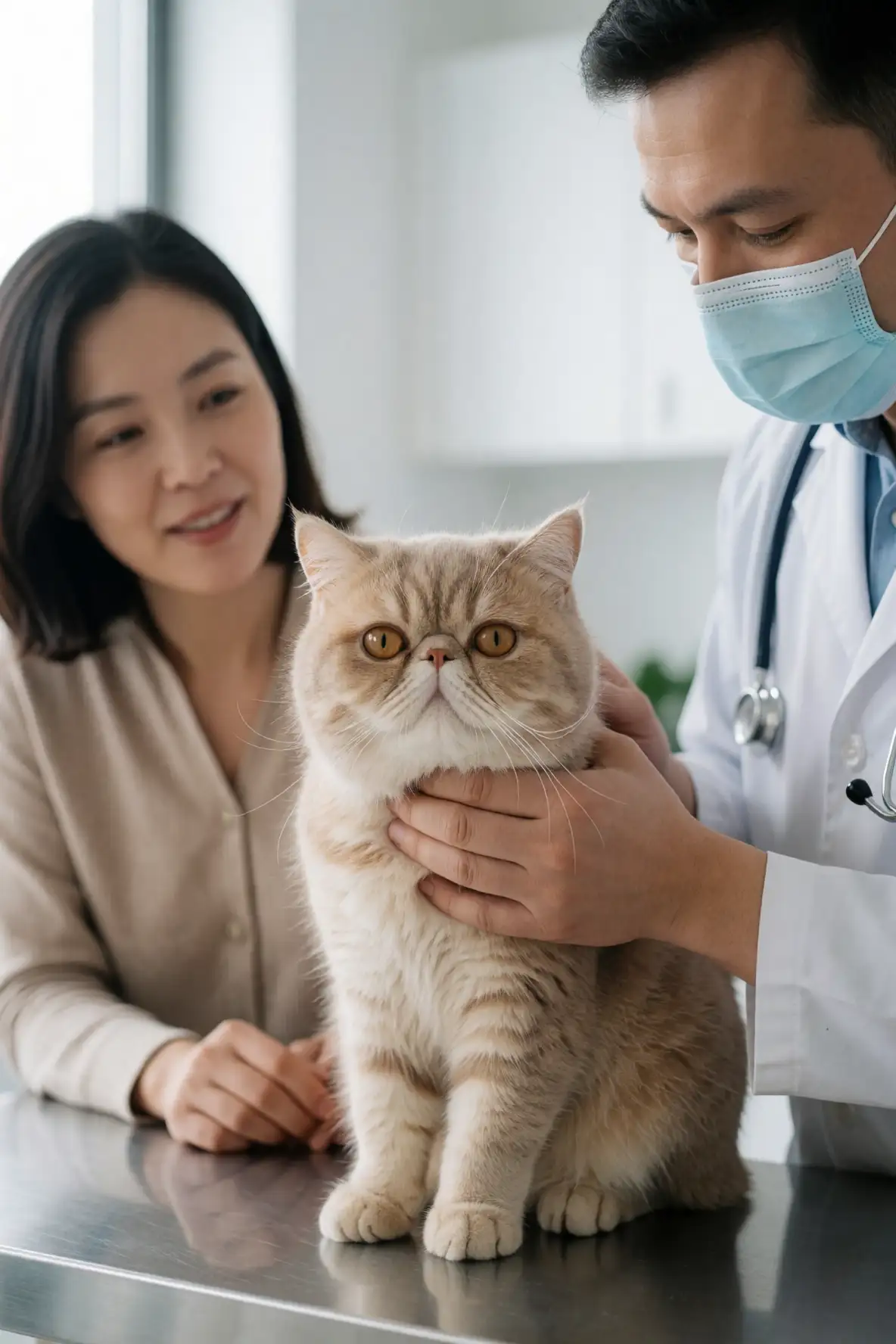
Routine veterinary care is essential for Exotic Shorthair cats. Annual check-ups can help catch early signs of health issues and ensure your cat is up-to-date on vaccinations. Your veterinarian can also provide advice on nutrition, weight management, and preventive care.
Be sure to discuss any specific concerns you may have regarding your cat’s health with your vet. They can offer tailored advice that suits your furry friend’s unique needs.
Exercise and Mental Stimulation
Exotic Shorthairs are playful and affectionate cats that require regular exercise and mental stimulation to stay healthy. Engaging them in interactive play can help prevent obesity and keep their minds sharp. Toys that encourage physical activity are great for keeping your Exotic Shorthair entertained.
Consider setting aside time each day for interactive play sessions. This not only benefits their physical health but also strengthens the emotional bond between you and your cat.
Creating a Safe Environment
Providing a safe and stimulating environment is crucial for the well-being of your Exotic Shorthair. Make sure your home is free of hazards, and consider creating a space where your cat can climb and explore. Cat trees and shelves can provide both exercise and entertainment.
Additionally, ensure that any toxic plants or substances are out of reach. This will help safeguard their health and well-being throughout their life.
Grooming Needs
Exotic Shorthairs have dense, plush coats that require regular grooming to prevent matting and reduce shedding. Brushing them at least once a week can keep their fur in good condition and promote healthy skin.
Regular grooming also provides an opportunity to check for any skin issues or parasites. Establishing a grooming routine can be a relaxing bonding experience for both you and your cat.
Signs of Aging
As your Exotic Shorthair ages, you may notice some changes in their behavior and health. Common signs of aging include decreased activity levels, changes in appetite, and potential weight gain or loss. It's important to monitor these changes and consult your vet if you have concerns.
Regular health screenings can help detect age-related issues early, allowing for timely intervention and management.
Understanding Your Exotic Shorthair's Genetic Background
Knowing your Exotic Shorthair’s lineage can provide insights into potential health issues. Responsible breeders often test for genetic disorders and provide information about the cat’s family history. This information can help you anticipate and manage health concerns as your cat ages.
When considering where to find your Exotic Shorthair, browse available kittens from ethical breeders on CatHatch to ensure you’re getting a healthy pet.
Conclusion
Exotic Shorthair cats can bring joy and companionship for many years, but their lifespan is influenced by various factors including health, nutrition, and regular veterinary care. By being proactive in their care, you can help ensure your Exotic Shorthair lives a long and healthy life.
Frequently Asked Questions
How long do Exotic Shorthair cats usually live?
Exotic Shorthair cats typically have a lifespan of 12 to 15 years, but with proper care, they can live even longer.
What health issues are common in Exotic Shorthairs?
Exotic Shorthairs may face health issues such as brachycephalic airway syndrome, dental problems, obesity, and heart disease.
What should I feed my Exotic Shorthair?
A balanced diet with high-quality cat food is crucial. Consider including wet food for hydration and palatability.
How often should I take my Exotic Shorthair to the vet?
Regular vet check-ups at least once a year are recommended to monitor their health and keep vaccinations up-to-date.
Can exercise affect my Exotic Shorthair's lifespan?
Yes, regular exercise helps maintain a healthy weight and mental stimulation, which can contribute positively to their overall lifespan.