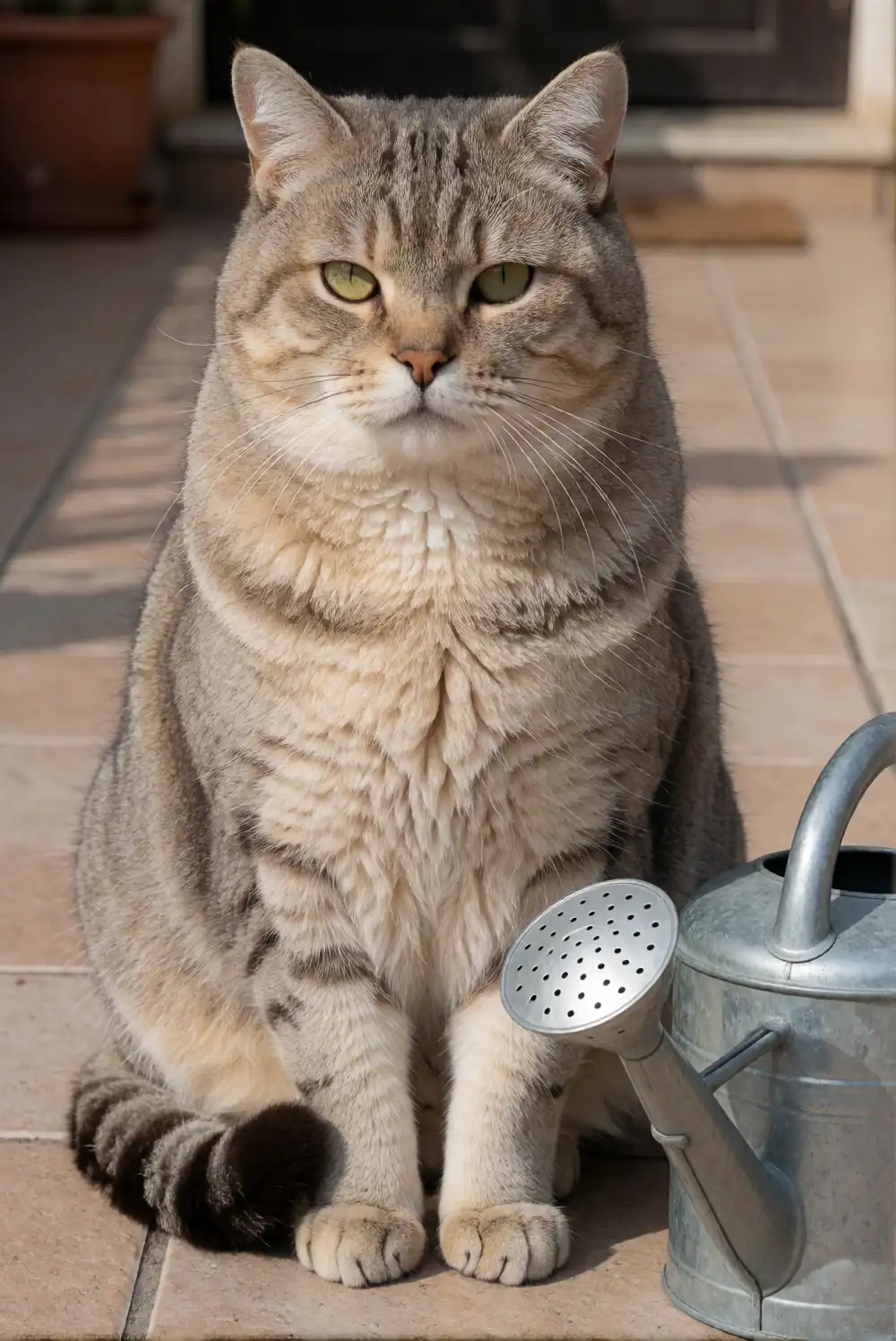
How Long Do British Shorthair Cats Live? Lifespan & Health Guide

Understanding the Lifespan of British Shorthair Cats
British Shorthair cats typically live between 12 to 20 years. This impressive lifespan can be influenced by several factors, including genetics, diet, and overall care. By understanding these factors, you can help your British Shorthair thrive well into their senior years.
One of the most critical aspects of your cat’s longevity is regular veterinary check-ups. Routine health screenings can catch potential health issues early, allowing for timely intervention that can significantly extend your cat's life.
Genetics and Lifespan
The genetic background of a British Shorthair plays a crucial role in determining its lifespan. Generally, cats that come from reputable breeders who prioritize health testing are more likely to exhibit fewer genetic disorders and live longer. British Shorthairs are prone to certain hereditary conditions, which can affect their longevity.
When looking for a breeder, ensure they provide health clearances for their breeding cats. This can include tests for hypertrophic cardiomyopathy (HCM), a common heart condition in the breed, among others.
Diet and Nutrition
Providing a balanced and nutritious diet is essential for the health and longevity of your British Shorthair. High-quality cat food formulated for their specific needs can help maintain a healthy weight and prevent obesity, which is a common issue in this breed. Obesity can lead to various health problems, including diabetes and joint issues.
Consult with your veterinarian to determine the best diet plan for your British Shorthair, taking into account their age, weight, and activity level. Regular dietary adjustments can contribute significantly to their overall health.
Regular Exercise and Activity
British Shorthairs are known for their sturdy build and somewhat laid-back personality. However, regular exercise is crucial for maintaining a healthy weight and mental stimulation. Engaging your cat in playtime and providing interactive toys can help keep them active and happy.
Consider setting aside time each day for play sessions with your British Shorthair. This not only promotes physical health but also strengthens your bond with your cat.
Common Health Issues
British Shorthairs are generally healthy, but they are predisposed to certain health issues. Aside from HCM, they can also suffer from obesity, dental problems, and joint issues like hip dysplasia. Being aware of these conditions can help you monitor your cat more effectively.
Regular veterinary visits and monitoring your cat's behavior at home can help identify any potential health concerns early on. Early detection is key in managing any health issues that may arise.
Creating a Healthy Environment
A safe and stimulating home environment is vital for your British Shorthair’s wellbeing. Ensure your home is cat-proofed, removing any toxic plants or hazardous items. Providing comfortable resting places and vertical spaces can enhance their quality of life.
Enrichment activities, such as puzzle feeders or climbing spaces, can also keep your British Shorthair engaged and satisfied in their environment.
The Role of Sterilization
Spaying or neutering your British Shorthair can have health benefits that positively affect their lifespan. Sterilization can prevent certain cancers and other health issues, contributing to a healthier life.
Talk to your veterinarian about the best time to spay or neuter your cat, as this can vary based on individual health and circumstances.
Regular Grooming
Although British Shorthairs have a short, dense coat that requires less grooming than long-haired breeds, regular brushing helps prevent hairballs and keeps their coat healthy. This breed tends to shed, so maintaining a grooming routine helps manage their coat and skin health.
Regular grooming sessions can also help you monitor your cat for any unusual lumps or skin conditions, allowing for early detection of potential health issues.
Senior British Shorthairs
As your British Shorthair ages, their needs may change. Senior cats may require a different diet, increased veterinary visits, or special attention to joint health. It's essential to adapt your care routine to accommodate these changes.
Monitoring your senior cat’s behavior and health can help you make necessary adjustments, ensuring they remain comfortable and happy in their twilight years.
Finding Kittens on CatHatch
If you’re considering adding a British Shorthair to your family, browse available kittens on CatHatch. You can find ethical breeders who prioritize health and wellbeing, ensuring a great start for your new furry companion.
Conclusion
Proper care and commitment can help your British Shorthair lead a long and healthy life. From understanding their unique health needs to providing a nurturing environment, every step you take can make a difference in your cat’s longevity.
Frequently Asked Questions
How long do British Shorthair cats usually live?
British Shorthair cats typically have a lifespan of 12 to 20 years, depending on various health and environmental factors.
What health issues are common in British Shorthair cats?
Common health issues include hypertrophic cardiomyopathy (HCM), obesity, and dental problems. Regular vet check-ups can help catch these issues early.
How can I help my British Shorthair live longer?
Providing a balanced diet, regular exercise, and routine veterinary care are essential for extending your British Shorthair's lifespan.
What type of food is best for British Shorthair cats?
A high-quality diet formulated for their specific nutritional needs is best. Consult your veterinarian for personalized dietary recommendations.
Can British Shorthairs be kept indoors?
Yes, British Shorthairs can thrive indoors, especially if provided with enough stimulation and playtime to keep them active and engaged.
Explore These Breeds
Ready to Find Your Kitten?
Browse available kittens from verified breeders across the USA.