Understanding the Thai Cat Breed
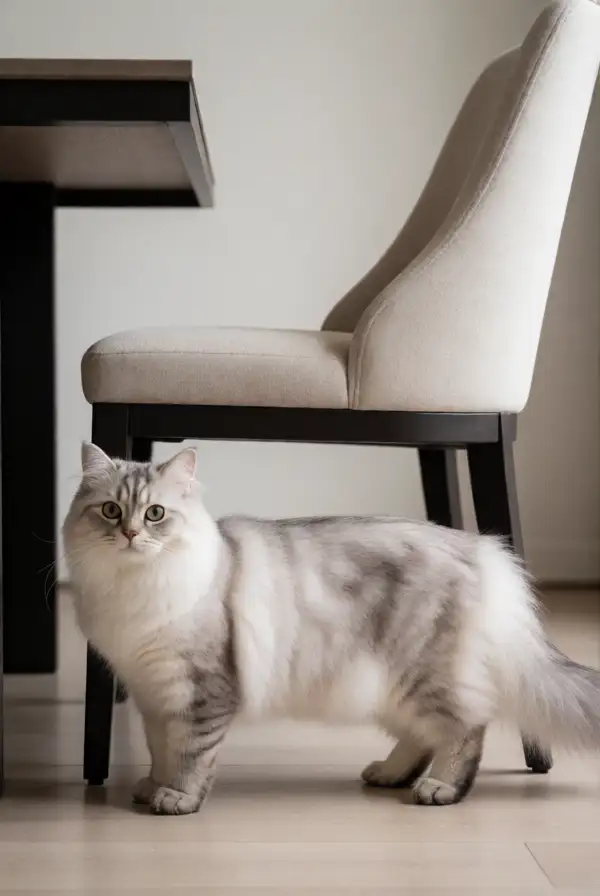
Thai cats, known for their striking blue almond-shaped eyes and sleek, short coats, originate from Thailand. They are closely related to the Siamese breed but are distinctly different in appearance and personality. Understanding their grooming needs and shedding patterns is essential for maintaining their health and beauty.
Do Thai Cats Shed?
Yes, Thai cats do shed, but their shedding is moderate compared to other breeds. Their short, fine coat is designed to adapt to the warm climate of Thailand, which means they don't have a heavy undercoat. This results in less fur around the house, making them a suitable choice for those concerned about excessive shedding.
Seasonal Shedding Patterns
While Thai cats do shed year-round, they may experience increased shedding during seasonal changes, particularly in spring and fall. This is when they shed their winter coat to prepare for the warmer months or to accommodate cooler temperatures. Regular grooming during these times can help manage the shedding and keep their coat looking its best.
Grooming Tools for Thai Cats
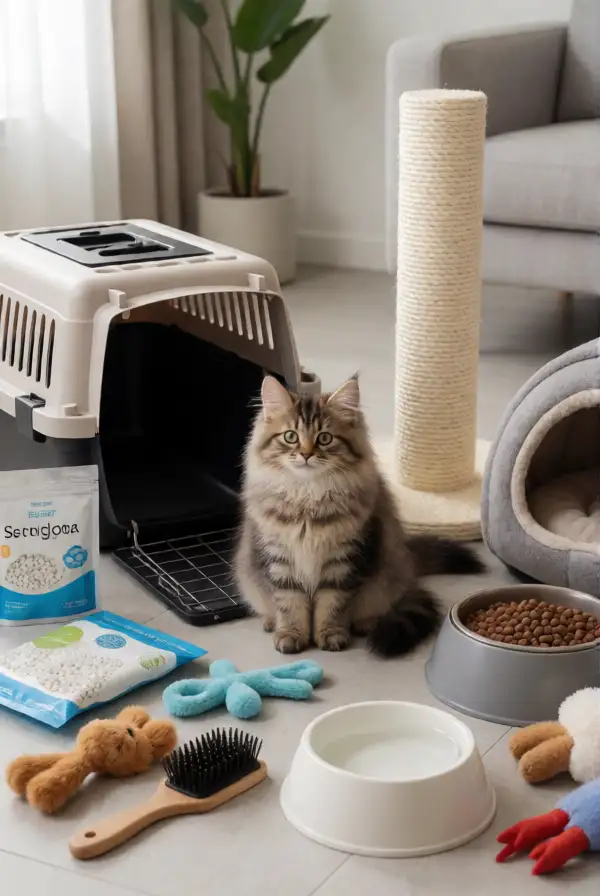
Grooming is crucial for maintaining your Thai cat’s coat health. Here are some essential tools:
- Slicker Brush — ideal for removing loose fur and preventing matting.
- Rubber Grooming Mitt — helps to remove dead hair while providing a gentle massage.
- Fine-Toothed Comb — great for detangling and ensuring the coat is smooth.
Grooming Techniques for a Healthy Coat
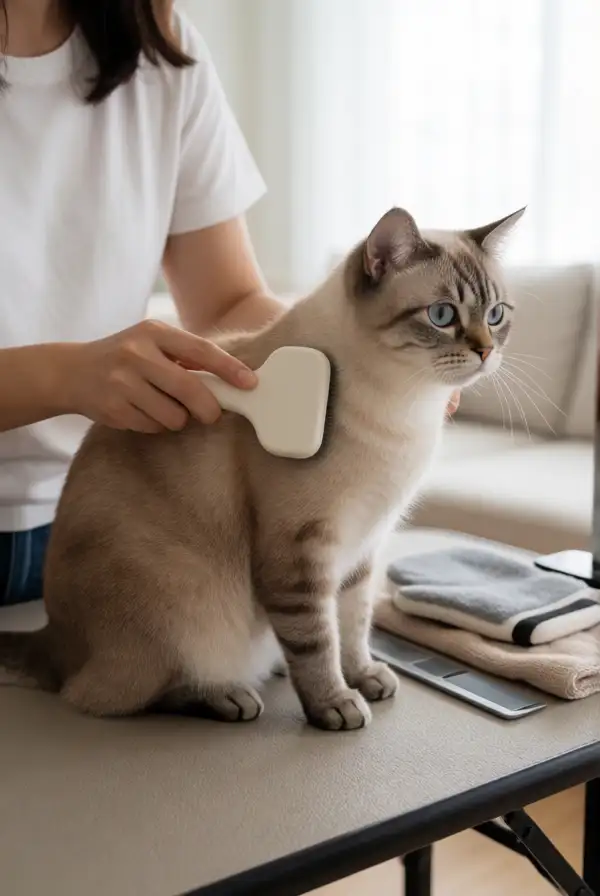
To keep your Thai cat’s coat healthy, establish a regular grooming routine. Aim to brush your cat at least once a week. During shedding seasons, increase the frequency to two or three times a week. Use gentle strokes to avoid irritating their skin and focus on areas that tend to mat, such as behind the ears and under the chin.
Bathing Your Thai Cat
Thai cats generally do not require frequent baths due to their low grooming needs. However, if they get into something messy or develop an odor, a bath may be necessary. Use a cat-specific shampoo to prevent irritation, and ensure you rinse thoroughly to remove all soap residues. After bathing, dry them gently with a towel.
Maintaining Healthy Skin
In addition to coat care, ensure your Thai cat's skin stays healthy. A balanced diet rich in omega fatty acids can promote a shiny coat and reduce excessive shedding. Pay attention to any signs of skin irritation or excessive scratching, as these may indicate allergies or other health issues that require a vet's attention.
Conclusion
Understanding your Thai cat's grooming and shedding needs can significantly enhance their quality of life. Regular grooming not only helps manage shedding but also strengthens the bond between you and your feline companion. For those looking to welcome a Thai cat into their home, browse available kittens from verified breeders on CatHatch.
Frequently Asked Questions
Do Thai cats require a lot of grooming?
Thai cats have short coats that require minimal grooming. Regular brushing once a week is usually sufficient to keep their coat healthy.
How often should I bathe my Thai cat?
Bathing is not frequently necessary for Thai cats unless they get dirty. If needed, use a gentle cat shampoo.
Is Thai cat shedding seasonal?
Yes, Thai cats may shed more during seasonal changes, particularly in spring and fall.
What is the best diet for a Thai cat?
A high-quality diet rich in proteins and omega fatty acids supports coat health and reduces shedding.
Are Thai cats hypoallergenic?
While no cat is completely hypoallergenic, Thai cats are known to produce lower levels of allergens compared to some other breeds.