Common Siberian Health Problems Every Owner Should Know
Introduction to Siberian Cats
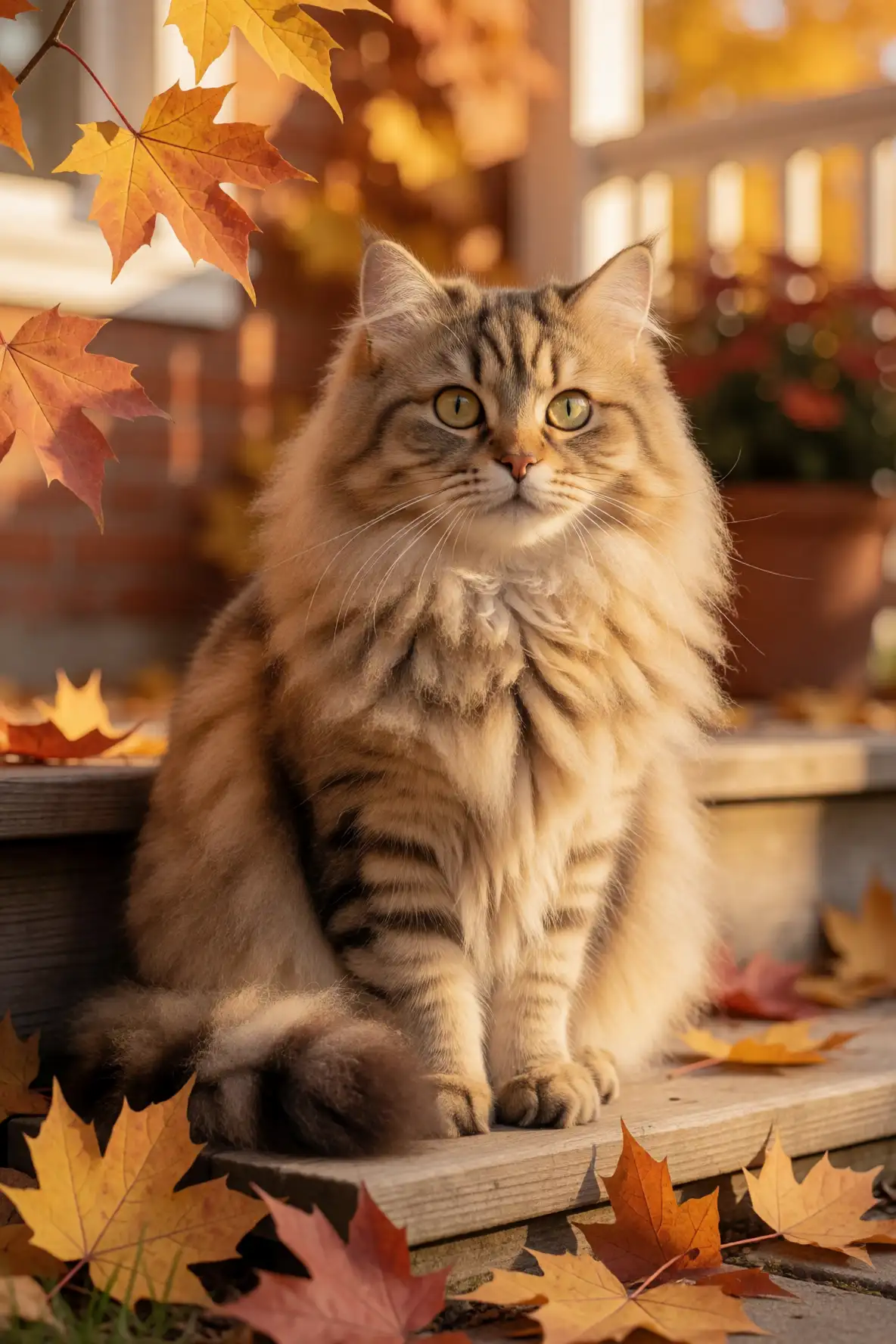
Siberian cats are known for their stunning appearance and friendly personalities. Originating from the cold forests of Siberia, these cats are medium to large in size and possess a thick, water-repellent coat. While they are generally robust cats, they are prone to specific health issues that every Siberian owner should be aware of.
Hypertrophic Cardiomyopathy (HCM)
One of the most common health problems in Siberian cats is Hypertrophic Cardiomyopathy (HCM). This condition causes thickening of the heart muscle, leading to heart failure if left untreated. Symptoms to watch for include lethargy, difficulty breathing, and a decrease in appetite. Regular veterinary check-ups can help detect HCM early, allowing for better management of the condition.
Hip Dysplasia
Hip dysplasia is another concern for Siberian cats. This hereditary condition occurs when the hip joint doesn't fit properly into the hip socket, causing pain and mobility issues. Owners should look for signs such as difficulty jumping or reluctance to play. Weight management and joint supplements may help alleviate symptoms, so consulting with a veterinarian is essential.
Polycystic Kidney Disease (PKD)
Siberians can also suffer from Polycystic Kidney Disease, a genetic disorder that leads to the development of cysts in the kidneys. Over time, these cysts can impair kidney function, resulting in kidney failure. Symptoms may not appear until the disease is advanced, making regular blood and urine tests crucial for early detection.
Dental Problems
Dental issues are prevalent in many cat breeds, including Siberians. Periodontal disease can lead to tooth loss and painful infections if not addressed. Owners should monitor their cat's dental health through regular brushing and schedule professional cleanings with their vet. Providing dental treats can also support oral health.
Obesity
Obesity is a growing concern among Siberian cats, primarily due to their friendly and laid-back nature. Excess weight can lead to other health complications such as diabetes and joint problems. To prevent obesity, maintain a balanced diet and encourage interactive playtime. Monitoring their food intake is also essential.
Allergies
Siberians may develop allergies to certain foods or environmental factors like pollen and dust. Symptoms include itching, skin irritations, and gastrointestinal upset. If your Siberian shows these signs, consult your veterinarian for potential allergy testing and dietary adjustments.
Regular Vet Check-ups
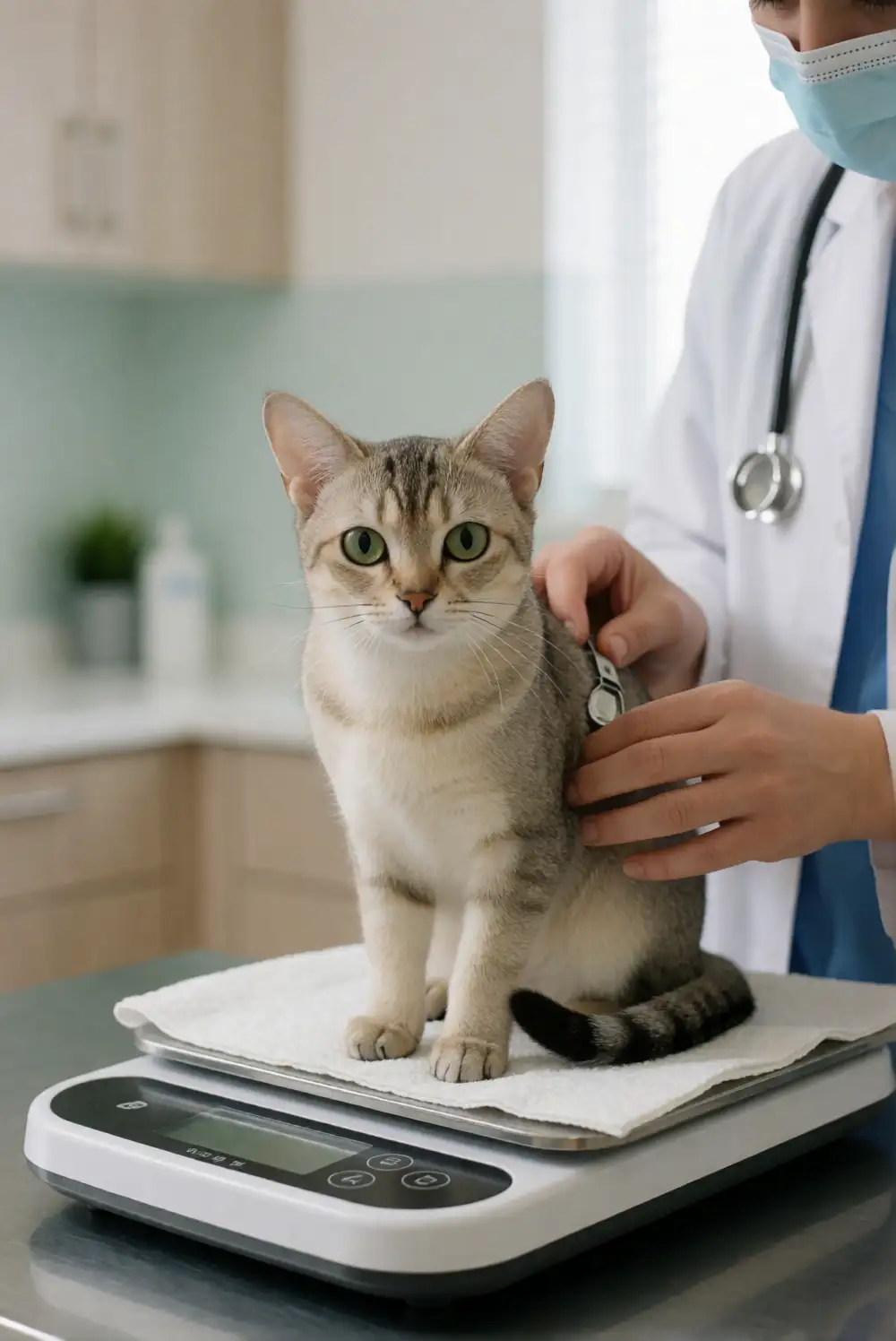
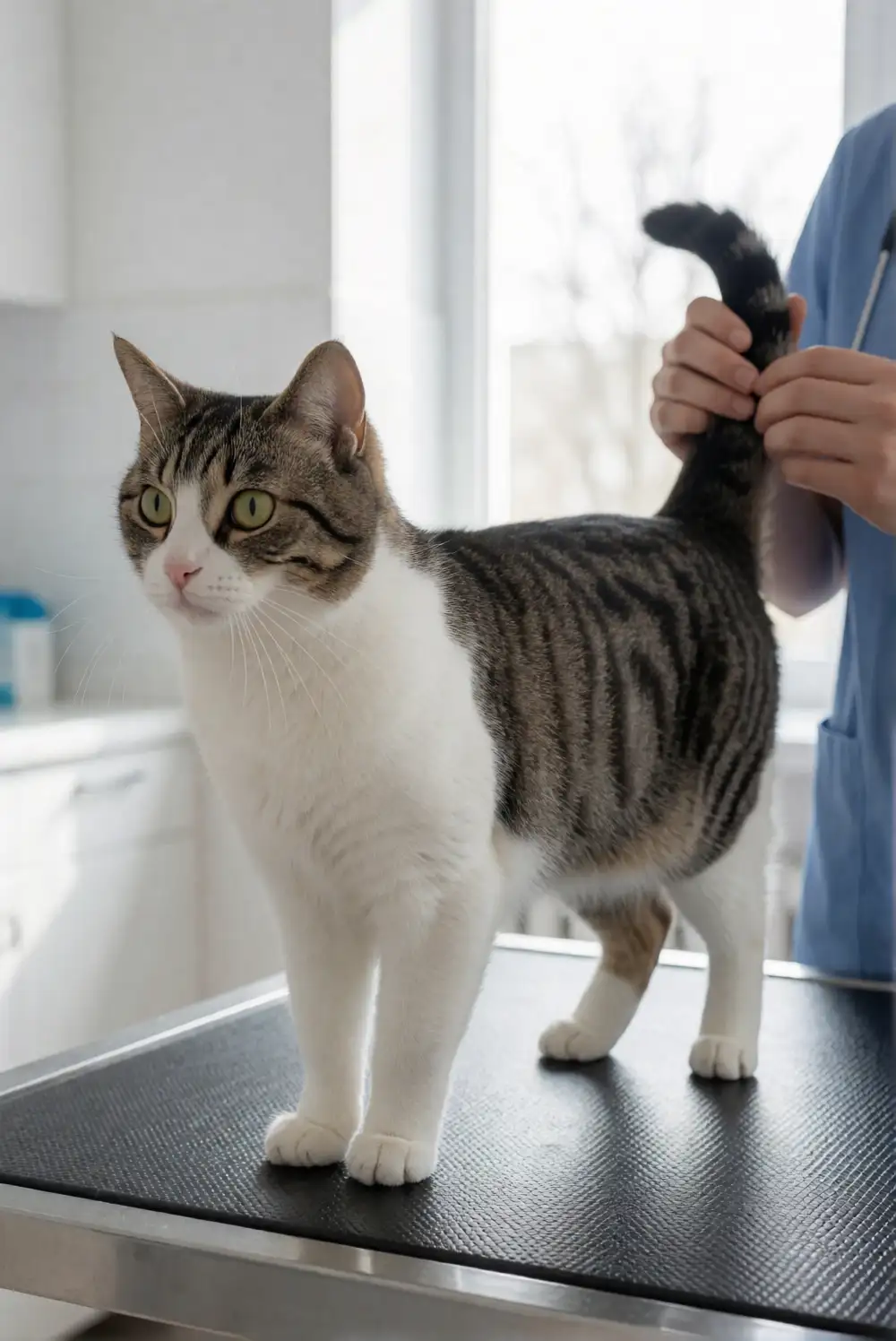
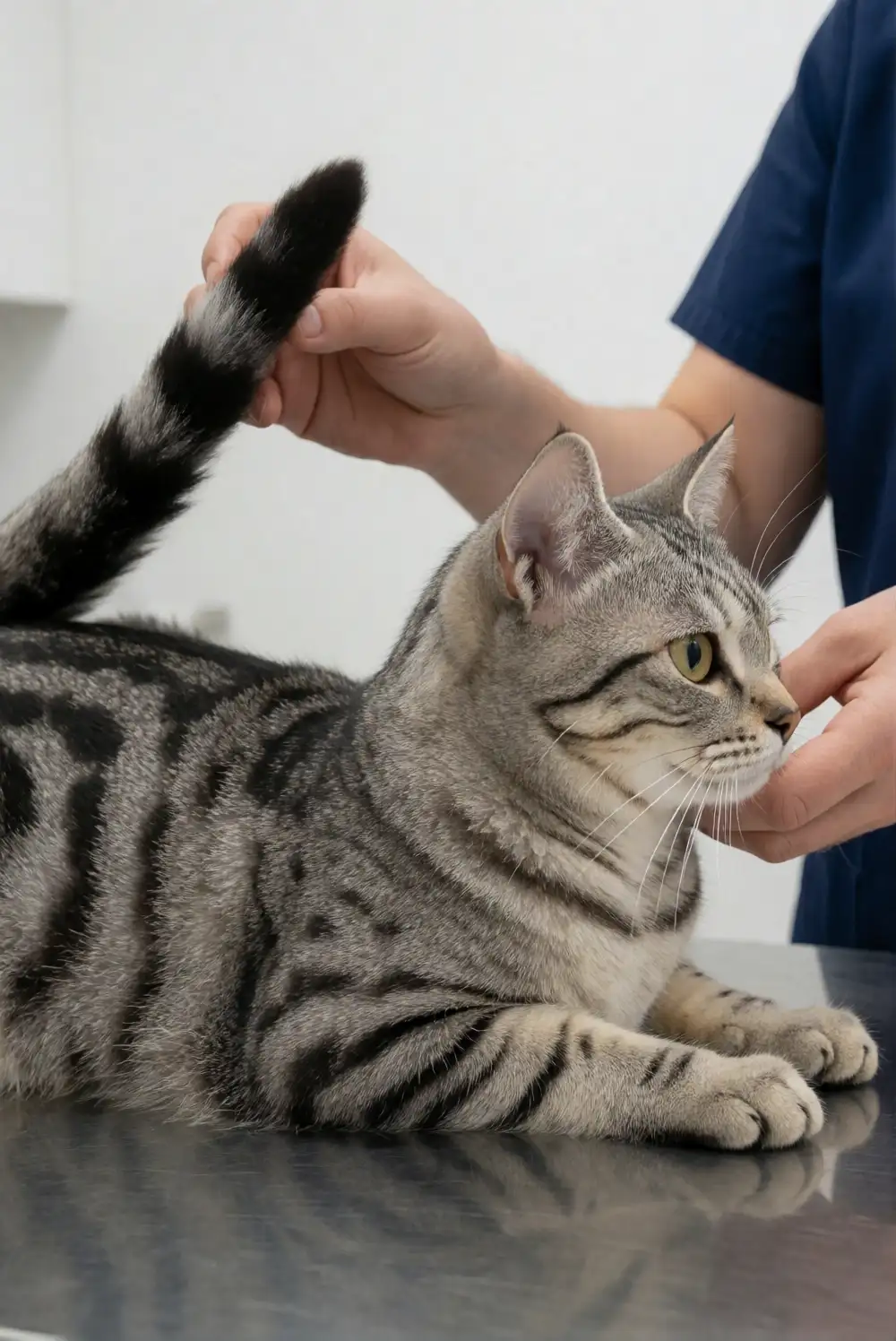
Regular veterinary check-ups are crucial in ensuring the overall health of your Siberian cat. These appointments allow for vaccinations, dental assessments, and early detection of any health issues. Always keep your veterinarian informed about any changes in behavior or health.
Nutrition and Diet
Providing a balanced diet is vital for preventing and managing health issues in Siberian cats. High-quality commercial cat food formulated for their specific life stage can support overall health. Additionally, incorporating wet food can help with hydration, especially for those at risk of kidney issues.
Exercise and Mental Stimulation
Ensuring your Siberian gets enough exercise and mental stimulation is key to maintaining a healthy weight and preventing behavioral issues. Interactive toys, climbing trees, and regular play sessions can keep them active and engaged. Consider rotating toys to keep their interest alive.
Hydration Importance
Staying hydrated is essential for your Siberian's health, particularly for preventing urinary problems. Providing fresh water daily and considering a cat water fountain can encourage your kitty to drink more. Wet food can also contribute to their hydration needs.
Grooming and Coat Care
Siberians have a thick, luxurious coat that requires regular grooming to prevent matting and reduce shedding. Weekly brushing is usually sufficient, but during shedding season, more frequent grooming may be necessary. Regular grooming also provides an opportunity to check for skin issues.
Understanding Your Cat's Behavior
Being attuned to your Siberian’s behavior can help you spot potential health issues early. Changes in appetite, litter box habits, or energy levels can indicate underlying problems. Observing and noting these behaviors can be invaluable during vet visits.
Finding the Right Breeder
If you’re looking to adopt a Siberian, choosing an ethical breeder is crucial. Responsible breeders will screen their cats for genetic health issues and provide health guarantees. CatHatch has listings of ethical breeders where you can find healthy Siberian kittens.
Conclusion
While Siberian cats are generally healthy and resilient, being aware of common health problems can help owners provide the best care. Regular check-ups, a balanced diet, and an engaging environment can significantly contribute to their well-being. For those considering a Siberian, browse available kittens on CatHatch to find your new furry friend.
Frequently Asked Questions
What are the common health issues in Siberian cats?
Common health issues in Siberian cats include Hypertrophic Cardiomyopathy, hip dysplasia, Polycystic Kidney Disease, dental problems, and obesity.
How can I prevent health problems in my Siberian cat?
Regular veterinary check-ups, a balanced diet, proper exercise, and maintaining good dental hygiene are essential in preventing health problems in Siberian cats.
Are Siberian cats prone to allergies?
Yes, Siberian cats can develop allergies to food or environmental factors. Common symptoms include itching, skin irritations, and digestive issues.
How often should I groom my Siberian cat?
Grooming your Siberian cat at least once a week is recommended, though more frequent grooming may be necessary during shedding seasons to keep their coat healthy.
Can diet impact my Siberian cat's health?
Absolutely! A high-quality, balanced diet plays a crucial role in maintaining your Siberian's overall health and can help prevent various health issues.
Ready to Find Your Kitten?
Browse available kittens from verified breeders across the USA.