Preparation Before Bringing Home Your Thai Kitten
Before you welcome your Thai kitten into your home, it's important to prepare your living space. Ensure that your home is kitten-proof by removing any hazardous items within their reach. Secure loose wires, remove toxic plants, and store cleaning products out of reach. This will create a safe environment for your new furry friend to explore.
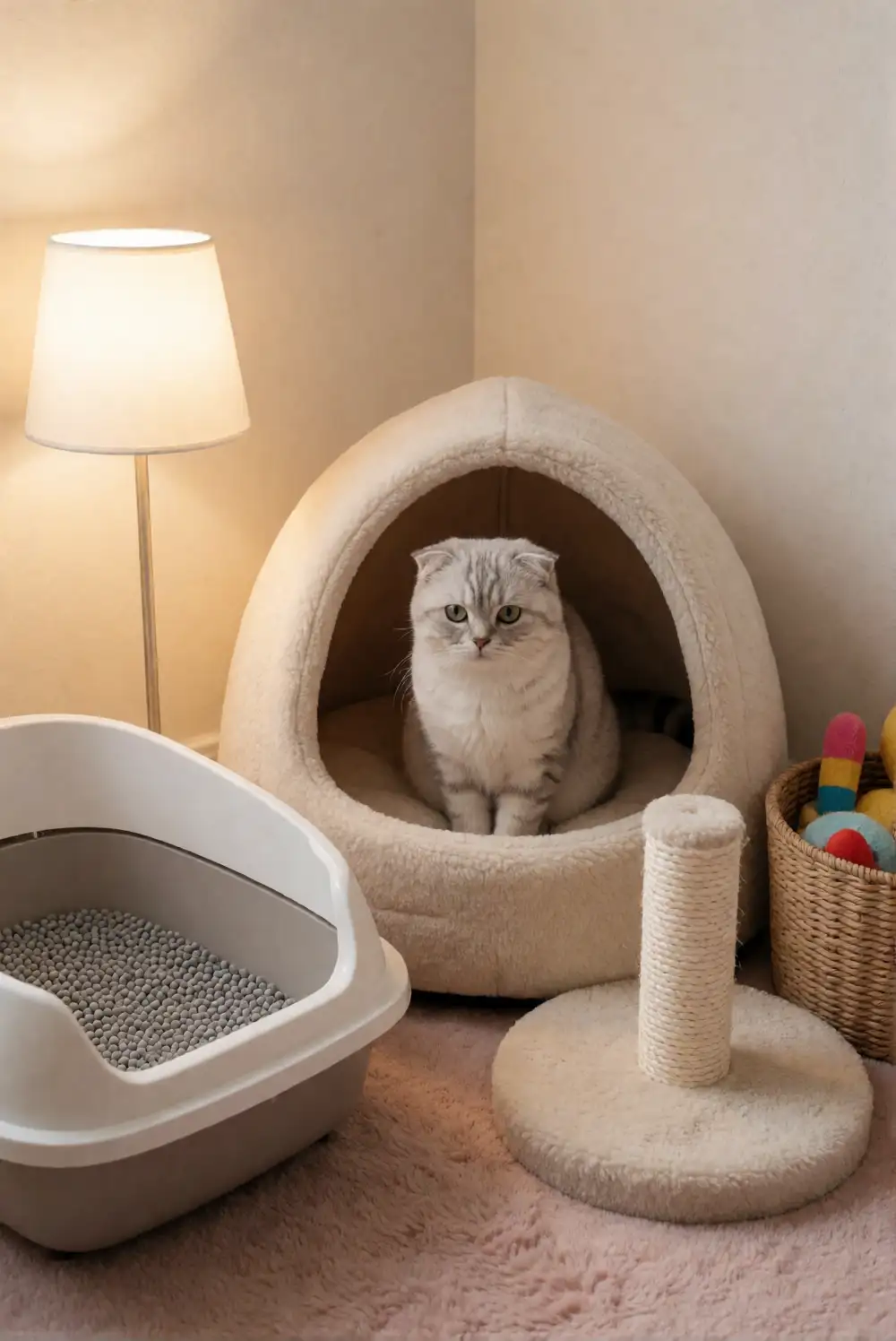
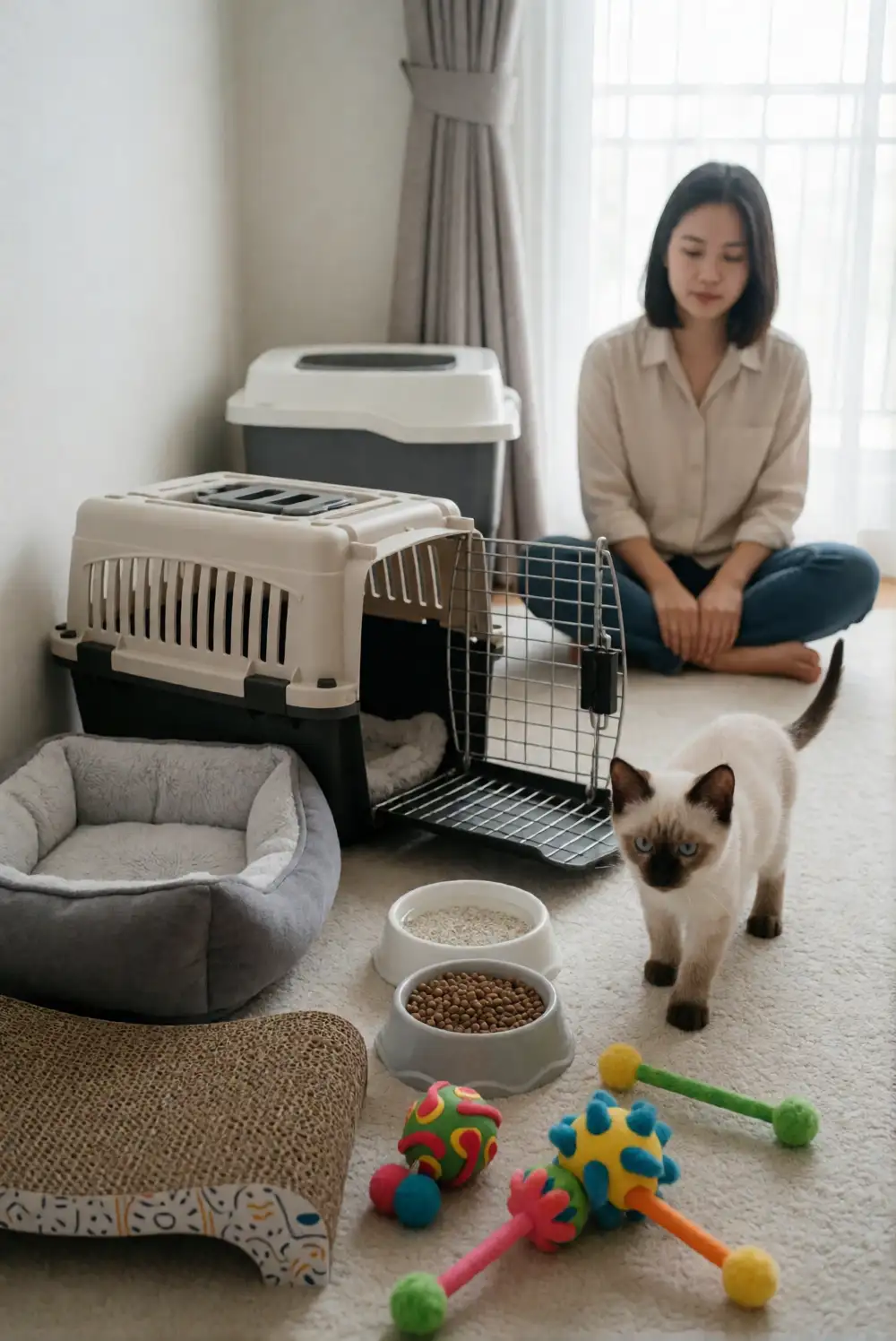
Additionally, gather necessary supplies such as a litter box, high-quality kitten food, food and water bowls, scratching posts, toys, and cozy bedding. These essentials will help your Thai kitten feel comfortable and settled in their new home.
The First Day: Introduction to Their New Home
Once you bring your Thai kitten home, introduce it to their new environment gradually. Start in a quiet room where they can feel secure. Allow your kitten to explore at their own pace, without overwhelming them with too much attention or noise.
Give your new pet a chance to sniff around and discover their litter box and food bowls. It's natural for them to be a bit shy on the first day, so offer gentle encouragement and don't force interaction. Just being present can help them feel more at ease.
Setting Up a Safe Space
Creating a designated safe space for your Thai kitten is essential during the initial transition period. This could be a cozy corner with their bed, litter box, and toys. Make sure to keep this area quiet and free from sudden disturbances.
In their safe zone, consider using a calming pheromone diffuser to help your kitten relax. Thai kittens, known for their affectionate nature, often thrive in environments where they feel secure. This dedicated space will facilitate their adjustment period.
Feeding Schedule and Nutrition
Establishing a regular feeding schedule is crucial for your Thai kitten's health. Choose high-quality kitten food rich in proteins and nutrients to support their growth. Typically, kittens should be fed at least three times a day.
Monitor their eating habits and adjust portion sizes as necessary. If you have questions about their diet, don’t hesitate to consult a veterinarian. You can also find a range of kitten food options on CatHatch to ensure your Thai kitten gets the best nutrition.
Litter Training Basics
Thai kittens are generally intelligent and can adapt quickly to litter training. Start by placing the litter box in a quiet, accessible area. Use clumping, unscented litter to encourage usage. If your kitten doesn’t use it right away, gently place them in the box after meals or naps.
Praise your kitten when they successfully use the litter box. Consistency is key, and with your encouragement, they will learn to associate the box with bathroom breaks.
Socialization and Playtime
Socializing your Thai kitten early on is important for their development. Spend time playing with them using various toys, like feather wands or laser pointers, to stimulate their natural hunting instincts. This not only keeps them active but also strengthens the bond between you and your kitten.
Invite friends and family to meet your new pet, but introduce them gradually to avoid overwhelming your kitten. Positive interactions will help your Thai kitten become more comfortable around different people.
Establishing a Routine
Kittens thrive on routine, so it’s beneficial to establish a daily schedule. This includes feeding times, play sessions, and cuddle time. A predictable routine can help your Thai kitten feel more secure and settled.
In addition to the daily routine, keep a consistent bedtime. A designated quiet time can help your kitten wind down and prepare for sleep, making it easier for them to adapt to their new home.
First Vet Visit
Once your Thai kitten is home, scheduling a visit to the veterinarian should be a priority. The vet will provide vaccinations, discuss spaying or neutering, and check for any health issues.
Establishing a relationship with a trusted vet will also help you address any concerns you may have about your kitten's health. Regular check-ups are essential for keeping your Thai kitten happy and healthy as they grow.
Monitoring Health and Behavior
During the first 30 days, closely monitor your kitten’s behavior and health. Keep an eye out for any signs of distress, such as changes in appetite, lethargy, or unusual behavior. These could be indicators of health issues that need immediate attention.
Provide them with a comfortable environment and ensure they have access to fresh water and food at all times. If you notice any concerning symptoms, don’t hesitate to contact your veterinarian.
Grooming Needs
While Thai kittens have short to medium-length coats that require less grooming than long-haired breeds, regular brushing is still important. It helps reduce shedding and keeps their coat healthy. Start grooming early to get your kitten used to the process.
Use a soft brush and begin with short sessions to keep your kitten comfortable. This will not only help maintain their coat but also serve as a bonding activity between you and your new pet.
Setting Up a Play Area
Creating a dedicated play area filled with engaging toys helps stimulate your Thai kitten mentally and physically. Include scratching posts, climbing shelves, and variety of toys to encourage exploration and activity.
Rotate toys regularly to keep their interest piqued. Cats are naturally curious, and a stimulating environment will keep your kitten happy and active as they grow.
Creating a Safe Outdoor Experience
If you plan to allow your Thai kitten outdoors, consider supervised outdoor time in a secure area or use a harness and leash. Thai kittens can be adventurous, and outdoor exposure can be enriching, but safety must come first.
Be cautious about the environment and ensure they are protected from potential dangers, such as other animals, traffic, and toxic plants. Always supervise their time outside and provide a safe space for exploration.
Understanding Thai Kitten Characteristics
Thai kittens are known for their affectionate and social nature. They tend to bond closely with their human families and thrive on interaction. Understanding their temperament can help you cater to their needs and create a nurturing environment.
Encouraging playtime and providing opportunities for socialization will help your Thai kitten flourish emotionally and mentally. They are intelligent and playful, making them delightful companions.
Final Thoughts on the First 30 Days
The first 30 days with your Thai kitten are critical for building a strong foundation for their future. Focus on creating a safe, loving environment and establishing a routine that includes play, feeding, and regular vet visits.
Remember, patience is key during this transitional time. Each kitten is unique, and understanding their individual personality will help you provide the best care possible. Don’t forget, you can always browse available kittens or breeders on CatHatch for more options.
Frequently Asked Questions
How long does it take for a Thai kitten to adjust to a new home?
Adjustment periods vary, but most Thai kittens will start to feel comfortable in their new environment within a few days to a week. It’s essential to give them time and space to explore at their own pace.
What should I feed my Thai kitten?
Thai kittens require high-quality kitten food that is rich in proteins and nutrients. Look for options that are specifically formulated for kittens to support their growth and development.
How often should I take my Thai kitten to the vet?
Initial vet visits should occur shortly after bringing your kitten home, followed by regular check-ups every 1-3 months as recommended by your veterinarian. Keeping up with vaccinations and health checks is crucial.
Can Thai kittens be left alone during the day?
While Thai kittens can be left alone for a few hours, they do thrive on social interaction. Try to avoid leaving them alone for extended periods, as they may become lonely or anxious.
Do Thai kittens need special grooming?
Thai kittens have short to medium-length coats that require minimal grooming. Regular brushing can help keep their coat healthy and reduce shedding, making grooming an enjoyable bonding experience.