Bringing Home a Birman Kitten: First 30 Days Checklist
Preparing Your Home for Your Birman Kitten
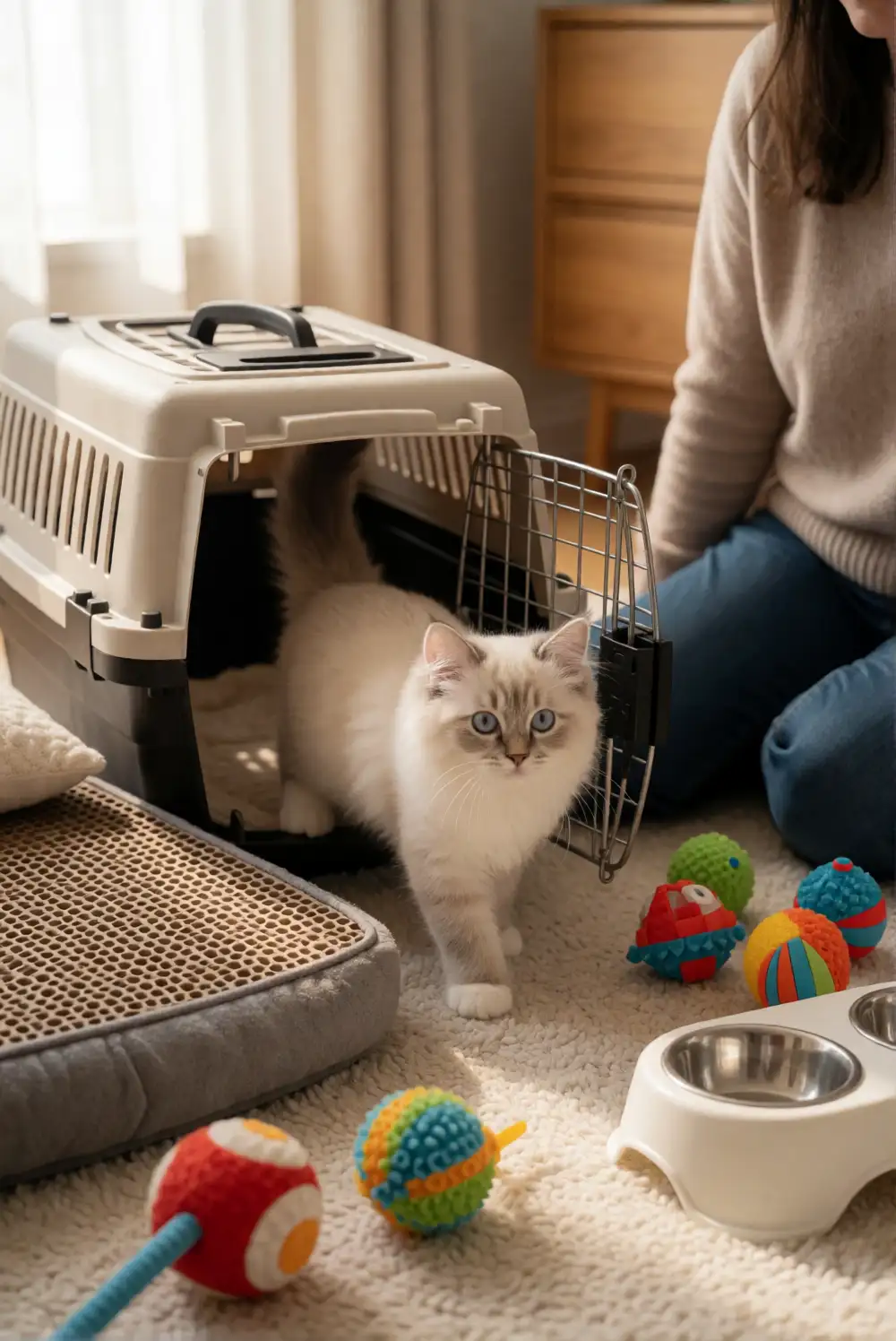
Before bringing your Birman kitten home, it’s essential to create a safe and welcoming environment. Start by removing any hazardous items such as small objects, toxic plants, and cords that your curious kitten might chew on. Make sure to designate a space where your kitten can feel secure, such as a cozy corner with a bed, toys, and a litter box.
Birman kittens are known for their playful and affectionate nature, so having an engaging environment is vital. Install cat trees or shelves to encourage climbing and play, while providing a variety of toys to stimulate their mental and physical activity.
Essential Supplies to Gather
Stock up on all the necessary supplies before your Birman arrives. This includes:
- Food and Water Bowls — Choose shallow bowls to accommodate your kitten's small size.
- High-Quality Kitten Food — Look for a brand that meets the nutritional needs of growing kittens.
- Litter Box and Litter — Select a litter box that’s easy to access, and use a non-clumping litter initially.
- Scratching Post — This will help your kitten develop healthy scratching habits.
- Bed and Blankets — Provide a soft, warm place for your Birman to rest.
Creating a Safe Space
When you first bring your Birman kitten home, it's important to introduce them to a small, confined area where they can feel secure. This could be a bedroom or a quiet corner of your home. Gradually allow them to explore other parts of the house as they become more comfortable. Ensure that windows are secured and that any potential hazards are out of reach.
Birmans are naturally sociable, so spending quality time with your kitten in this safe space will help them adjust to their new environment. Implement gentle handling and soft voices to create a calm atmosphere.
Establishing a Routine
Establishing a routine early on will help your Birman kitten feel secure. Feed them at the same times each day and introduce a consistent schedule for playtime and potty breaks. This structure will help them learn what to expect and reduce anxiety.
Keep in mind that Birmans are known for their affectionate temperament, so incorporating cuddle time into your routine will further enhance your bond with your new furry friend.
Introducing Family Members
When introducing your Birman kitten to family members and other pets, do so gradually and in a controlled manner. Allow your kitten to explore at their own pace while supervised to prevent overwhelming them. Teach children to be gentle and respectful towards the kitten, and watch for signs of stress or fear in your new pet.
Positive reinforcement, such as treats and praise, can help create positive associations with family members and visitors. This is crucial for a breed like the Birman that thrives on social interaction.
Veterinary Care and Health Checks
Schedule a vet appointment soon after bringing your Birman kitten home. A health check will ensure that your kitten is healthy and ready to thrive in your home. Discuss vaccination schedules, spaying or neutering, and preventive care with your veterinarian.
Regular veterinary visits are key to keeping your Birman healthy and identifying any potential health issues early, especially since they can be prone to certain genetic conditions.
Socialization and Training
Socialization is critical in the early days of bringing home your Birman kitten. Expose them to different environments and sounds to build their confidence. Training should begin right away, focusing on litter box training and basic commands like “sit” and “come.”
Birmans respond well to positive reinforcement, so always use treats and praise to encourage good behavior. Consistency in training will lead to a well-adjusted and well-behaved adult cat.
Playtime and Enrichment
Providing ample playtime and mental stimulation is essential for your Birman’s development. Invest in interactive toys, feather wands, and puzzle feeders to keep your kitten engaged. Regular playtime will not only help them burn off energy but also strengthen your bond.
Incorporate a variety of play sessions throughout the day to prevent boredom, as Birmans are known for their playful nature and need for stimulation.
Feeding Guidelines
Feeding your Birman kitten a balanced diet is crucial for their growth and health. Follow the feeding guidelines provided by your veterinarian or on the kitten food packaging, adjusting portions as needed based on their growth and activity level.
Keep fresh water available at all times, and consider using a water fountain to encourage hydration, as many cats prefer running water.
Grooming and Coat Care
Birman cats have a beautiful, long coat that requires regular grooming to prevent matting and tangles. Start brushing your kitten’s fur early to get them accustomed to the process. Aim for at least two to three grooming sessions per week.
Use a gentle brush and reward your kitten with treats to create a positive experience around grooming. Early grooming can help establish good habits and ensure that your Birman’s coat stays healthy.
Monitoring Behavior and Adjusting
As you settle into your new routine, monitor your Birman kitten's behavior closely. Look for signs of stress, such as hiding or excessive meowing, and adjust your approach accordingly. It’s essential to create a calm and loving environment for your new pet.
If you notice any behavioral issues, consult with a veterinarian or a cat behaviorist for guidance on the best strategies to address them.
FAQs
What should I expect during the first few days with my Birman kitten?
During the first few days, expect your Birman kitten to be shy or overwhelmed. Provide a quiet space and give them time to adjust. Gradually introduce them to the rest of your home and family.
How can I socialize my Birman kitten?
Socialize your Birman by gently exposing them to various people, pets, and environments. Use positive reinforcement to encourage confidence and reduce anxiety.
What type of food should I feed my Birman kitten?
Feed your Birman high-quality kitten food that meets their nutritional needs. Consult with your veterinarian for specific recommendations based on their age and health.
How often should I take my Birman to the vet?
Regular veterinary visits are essential, especially during the first year. Schedule check-ups every few months to monitor their health and vaccinations.
What grooming needs does a Birman kitten have?
Birman kittens require regular grooming to prevent matting. Aim to brush them at least two to three times a week to keep their coat healthy.
Can I train my Birman kitten to do tricks?
Yes, Birmans are intelligent and responsive. Use positive reinforcement techniques, such as treats and praise, to train them to perform tricks and commands.
Remember that your Birman kitten will thrive in a loving and nurturing environment. With the right preparations and adjustments, your first 30 days will set the stage for a happy and healthy relationship. For more information and support, you can browse available kittens on CatHatch.
Ready to Find Your Kitten?
Browse available kittens from verified breeders across the USA.