Preparing Your Home for Your Kitten
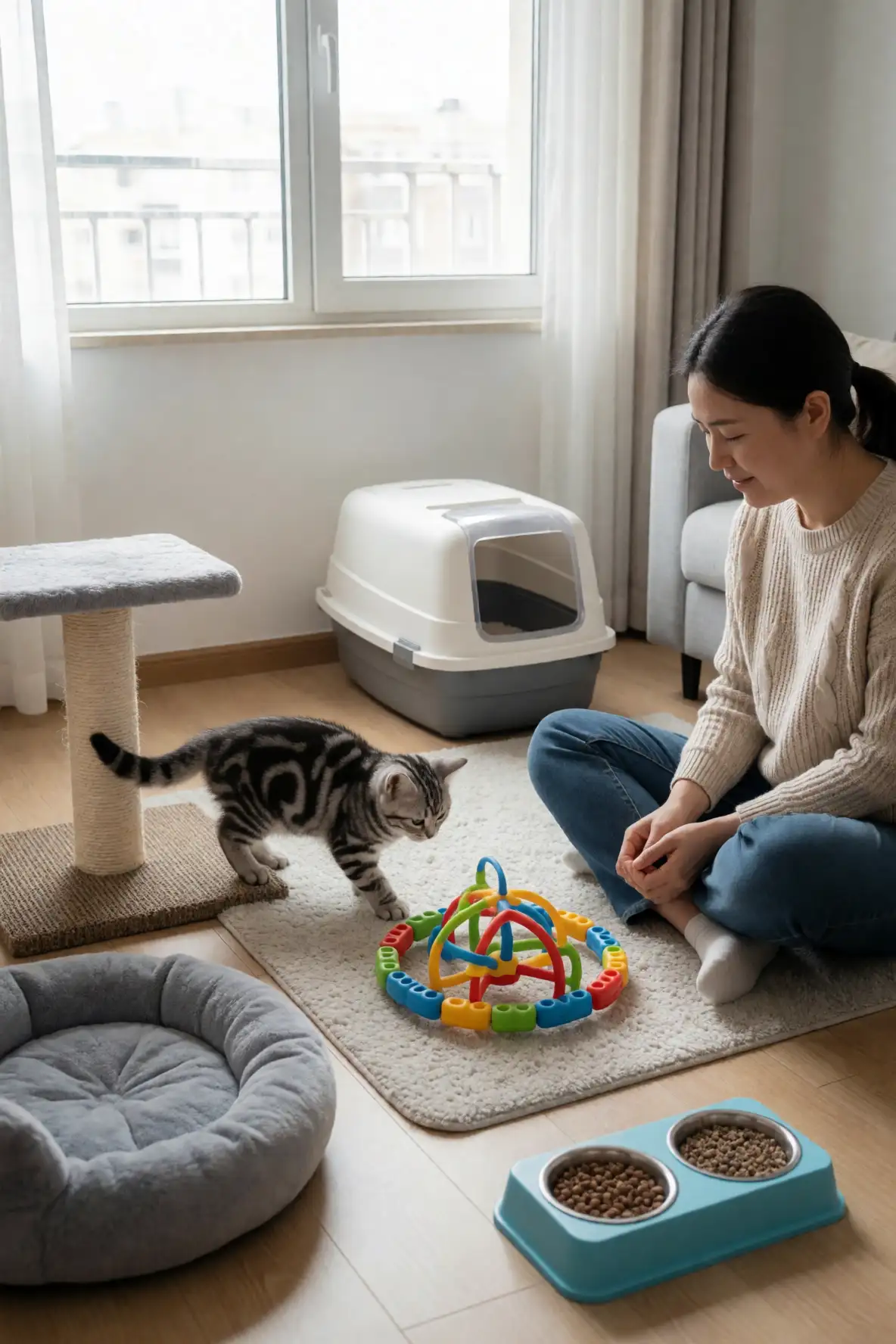
Before your American Shorthair kitten arrives, it’s essential to prepare your home. Start by creating a comfortable space where your kitten can feel safe. This could be a quiet room away from high traffic areas, equipped with soft bedding, litter boxes, and toys. Ensuring that the environment is safe and cozy will help your new pet settle in more quickly.
Additionally, remove any hazardous items such as cords, plants that are toxic to cats, and small objects they might swallow. Understanding the importance of a kitten-proof home will set the foundation for a happy living situation.
Gathering Supplies
You'll need a few key supplies before bringing home your American Shorthair kitten. These include a litter box, high-quality kitten food, food and water bowls, scratching posts, and a variety of toys to keep them entertained. Invest in a sturdy carrier for trips to the vet, as well as a brush for grooming their short coat.
Consider also getting a collar with an ID tag, and don’t forget about a comfortable bed. Getting these supplies ready will make the transition smoother for both of you.
First Day: Introducing Your Kitten
On the first day, allow your kitten to explore their new environment at their own pace. Avoid overwhelming them with too much attention or activity. Instead, let your American Shorthair sniff around and choose their safe spots. Be present but allow them to initiate interaction.
A calm introduction may include gentle petting and speaking softly to them. Offering a few treats can help to create a positive association with their new home. Make sure to keep any existing pets separate until they adjust, to ensure a smooth introduction later.
Establishing a Routine
Establishing a routine early on is crucial for your American Shorthair’s adjustment. Cats thrive on consistency, so set regular feeding times, playtimes, and litter box cleaning schedules. Kittens typically eat 3-4 times a day, so maintain a steady feeding routine to help them feel secure.
Incorporate play sessions throughout the day using interactive toys to engage your kitten’s natural hunting instincts. This will help them burn off energy and develop a bond with you.
Socialization and Handling
During the first month, socialization is key. Gradually introduce your kitten to different environments within your home, as well as various sounds and people. Handling them gently and frequently will help them become comfortable with being touched and held.
Encourage positive experiences with gentle handling and lots of praise. This will help your American Shorthair grow into a well-adjusted adult cat.
Litter Training
American Shorthair kittens are usually intuitive when it comes to litter training. Place them in the litter box after meals and naps to reinforce good habits. Keep the box clean, as cats are particular about their bathroom hygiene.
If your kitten has accidents, don’t scold them. Instead, clean the area thoroughly to remove odors and gently place them back in the litter box regularly. Patience is key!
Feeding Guidelines
Feeding your American Shorthair a balanced diet is essential for their growth during these crucial first 30 days. Choose a high-quality kitten food that meets their nutritional needs, rich in proteins and essential nutrients. Follow the feeding guidelines on the package, adjusting portions as your kitten grows.
Always provide fresh water and monitor their eating habits to ensure they are thriving. If you notice any changes in appetite or behavior, consult your veterinarian.
Health Check and Vaccinations
Schedule a vet appointment soon after bringing your American Shorthair home. Initial health checks are vital to ensure your kitten is healthy and up to date on vaccinations. Your vet can provide guidance on preventative care, including spaying or neutering.
Keeping a close eye on your kitten’s health in the first month will help catch any potential issues early, ensuring a healthy, long life.
Grooming Basics
Although American Shorthairs have short coats that require less maintenance than long-haired breeds, regular grooming is still important. Start by brushing your kitten a few times a week to remove loose hair and prevent matting.
Grooming also helps establish a bond with your kitten and gets them accustomed to being handled, making future vet visits easier.
Creating a Safe Space
As your kitten explores their new home, make sure they have a designated safe space. This could be a cozy bed in their own room or a quiet corner with their toys. Having a retreat will help them feel secure and allow them to escape if they feel overwhelmed.
Ensure the space has a few of their favorite toys, scratching posts, and a litter box nearby. This will encourage them to use their safe space when needed.
Understanding Their Behavior
American Shorthairs are known for their gentle and affectionate temperament. During this first month, pay attention to their behavior to better understand their personality and needs. Some kittens may be more outgoing and playful, while others might be shy and require more time to adjust.
Being observant will help you cater to your kitten’s unique personality, creating a more harmonious home environment.
Play and Enrichment
Incorporate plenty of playtime to keep your American Shorthair mentally and physically stimulated. Use various toys, such as feather wands, laser pointers, and balls, to keep them engaged. Rotating toys can keep things fresh and exciting.
Interactive play helps strengthen your bond and provides essential exercise, which is vital for their growth and development.
Bonding Activities
As the first month progresses, find bonding activities that both you and your kitten enjoy. This could be quiet cuddle time, engaging in play, or simply watching the world from a window together. Establishing this bond will help them feel secure in your presence.
Each interaction contributes to building trust and affection between you and your new companion, which is critical for their long-term happiness.
Setting Up a Vet Routine
Once your kitten is settled, establish a regular vet routine. Schedule follow-up vaccinations and check-ups according to your veterinarian’s guidance. This will help ensure your American Shorthair stays healthy throughout their life.
Consider discussing preventative care, including flea and tick treatments, as well as dental care practices, to maintain their overall well-being.
Emergency Preparedness
Be prepared for any emergencies that may arise. Familiarize yourself with the nearest veterinary clinics and their emergency procedures. Keeping a pet first-aid kit handy can be beneficial.
Understanding your kitten’s normal behavior can help you detect any signs of distress early on, allowing for prompt intervention if needed.
Frequently Asked Questions
What should I feed my American Shorthair kitten?
Choose a high-quality kitten formula that meets their nutritional needs. Consult with your vet for recommendations based on your kitten's specific age and dietary requirements.
How do I litter train my American Shorthair?
Place your kitten in the litter box after meals and naps. Keep the box clean and encourage them to use it without scolding them for accidents.
When should I take my kitten to the vet?
Schedule a vet visit soon after bringing your kitten home for a health check and vaccinations. Regular check-ups should follow as advised by your veterinarian.
How much playtime does my kitten need?
Kittens typically require at least 20-30 minutes of playtime several times a day. Engage with different toys to keep their interest and provide enrichment.
How can I help my kitten adjust to their new home?
Create a safe space, establish a routine, and offer gentle handling to help your kitten adjust. Give them time to explore and feel comfortable in their new environment.