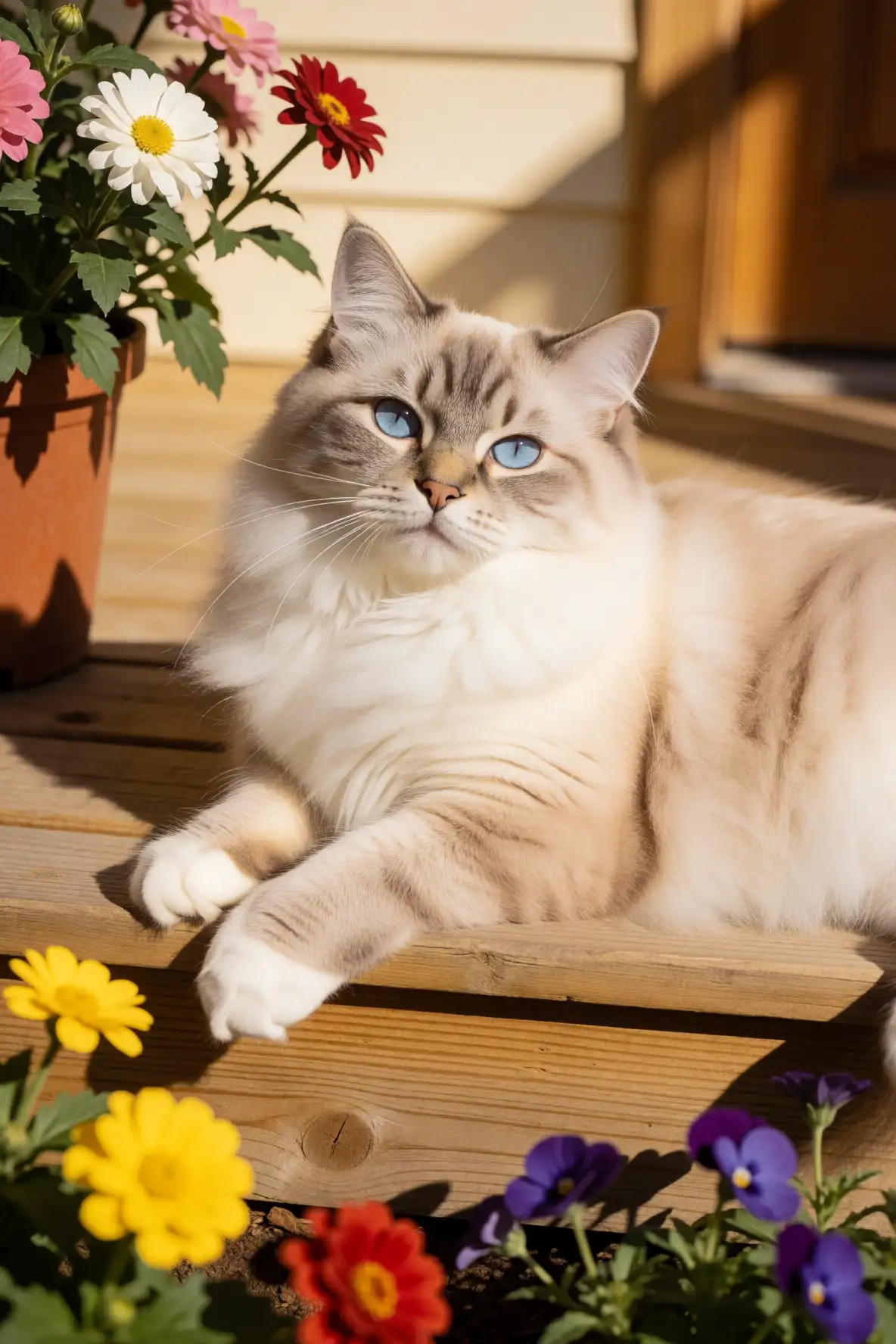
Understanding Birman Cat Behavior
The Birman cat is known for its gentle and affectionate nature. These cats often form strong bonds with their human companions, and they typically exhibit behaviors that reflect their desire for closeness. Birmans are social creatures who thrive in the presence of their families, often following their owners around the house and seeking attention.
As a breed, Birmans are usually quite vocal. They use soft, melodic sounds to communicate their needs and desires. Whether it's a soft meow for attention or a playful chirp, understanding these vocalizations can enhance the bond between you and your Birman.
Playful Nature
Birman cats are playful and enjoy interactive toys that stimulate their minds. They are known to engage in games that involve chasing, pouncing, and even fetching. Encouraging this playful behavior through regular playtime can help keep your Birman mentally and physically healthy.
It's essential to provide a variety of toys to cater to their curiosity. Feather wands, laser pointers, and puzzle feeders are excellent choices that encourage exercise and engagement. Without adequate stimulation, Birmans may develop behavioral problems due to boredom.
Affectionate Behavior
One of the most endearing traits of the Birman is their affectionate behavior. They often seek physical touch and enjoy being petted and cuddled. Birmans are known to curl up on their owner's laps or stay close while they work or relax.
This affectionate nature makes them excellent companions for families and singles alike. However, if your Birman suddenly becomes aloof or stops seeking physical contact, it may indicate stress or discomfort, warranting closer observation.
Grooming Habits
With their luxurious, medium-length coat, Birmans require regular grooming. While they are generally good at self-grooming, they benefit from weekly brushing to prevent matting and reduce shedding. This grooming routine can also strengthen your bond as they enjoy the attention.
Look for signs of discomfort during grooming. If your Birman shows resistance, such as growling or hissing, it may indicate that they are feeling stressed or that the grooming process is uncomfortable for them.
Socialization Needs
Birman cats are known for their social nature, but each cat has its personality. It's crucial to socialize Birmans from a young age, exposing them to different people, pets, and environments. This helps them develop confidence and reduces the likelihood of fearful or aggressive behavior.
When introducing your Birman to new experiences, take it slow and ensure they feel safe. Positive reinforcement can help them associate new experiences with pleasant outcomes.
Signs of Stress or Discomfort
While Birmans are generally calm, they can experience stress like any other cat. Common indicators of stress include excessive grooming, hiding, or changes in eating habits. If your Birman suddenly exhibits these behaviors, consider environmental changes or health issues.
It's also essential to observe their body language. A tucked tail, flattened ears, or dilated pupils can indicate fear or discomfort. Understanding these signs can help you respond appropriately and support your Birman when they need it most.
Understanding Aggression
Although Birmans are typically gentle, aggression can occur, especially in response to fear or stress. If your Birman swats, bites, or hisses, it's crucial to assess the situation and remove any stressors. Aggression can also stem from inadequate socialization or past trauma.
If aggressive behavior persists, consider consulting with a veterinarian or animal behaviorist for guidance. With the right support, many behavioral issues can be resolved.
Encouraging Positive Behavior
Encouraging positive behavior in your Birman involves rewarding them for good actions rather than punishing undesirable ones. This can include providing treats or praise when they engage in appropriate play or use their scratching post instead of your furniture.
Creating an enriching environment with plenty of toys, scratching posts, and climbing spaces can also promote healthy behaviors. Birmans thrive when they have outlets for their energy and curiosity.
Training Your Birman
Training a Birman can be a rewarding experience as they are intelligent and eager to please. Start with basic commands and use positive reinforcement techniques to encourage learning. Short, fun training sessions can be highly effective.
Consistency is key in training. Regular practice not only reinforces learning but also strengthens the bond between you and your Birman, making training a valuable part of your relationship.
When to Seek Professional Help
If you notice persistent behavioral problems or changes in your Birman’s behavior, it may be beneficial to seek professional help. A veterinarian or animal behaviorist can assess the situation and provide strategies tailored to your cat’s unique needs.
Don’t hesitate to seek help if your Birman’s behavior is causing distress for you or your pet. Early intervention can often lead to better outcomes.
Frequently Asked Questions
What is typical behavior for a Birman cat?
Typical behavior for a Birman cat includes being affectionate, vocal, and playful. They often seek companionship and enjoy interactive playtime with their owners.
How do I know if my Birman is stressed?
Signs of stress in a Birman can include excessive grooming, hiding, and changes in appetite. Observing their body language can also provide clues, such as a tucked tail or flattened ears.
Are Birmans good with children?
Yes, Birmans are generally good with children as they are patient and gentle. However, early socialization and teaching children how to interact appropriately with cats is essential.
What should I do if my Birman is aggressive?
If your Birman displays aggressive behavior, assess the situation and remove any stressors. If the aggression continues, consult with a veterinarian or animal behaviorist for guidance.
Can I train my Birman cat?
Yes, Birmans are intelligent and can be trained effectively. Use positive reinforcement techniques and keep training sessions short and enjoyable to foster learning.