Overview of the Bengal Cat
The Bengal cat is a striking breed known for its unique spotted coat that resembles that of a wild leopard. This breed emerged from the crossbreed of domestic cats and the Asian leopard cat, creating a distinctive appearance and energetic personality. Bengals are not just beautiful; they are also intelligent and playful, making them one of the most sought-after breeds for cat lovers.
Size and Appearance
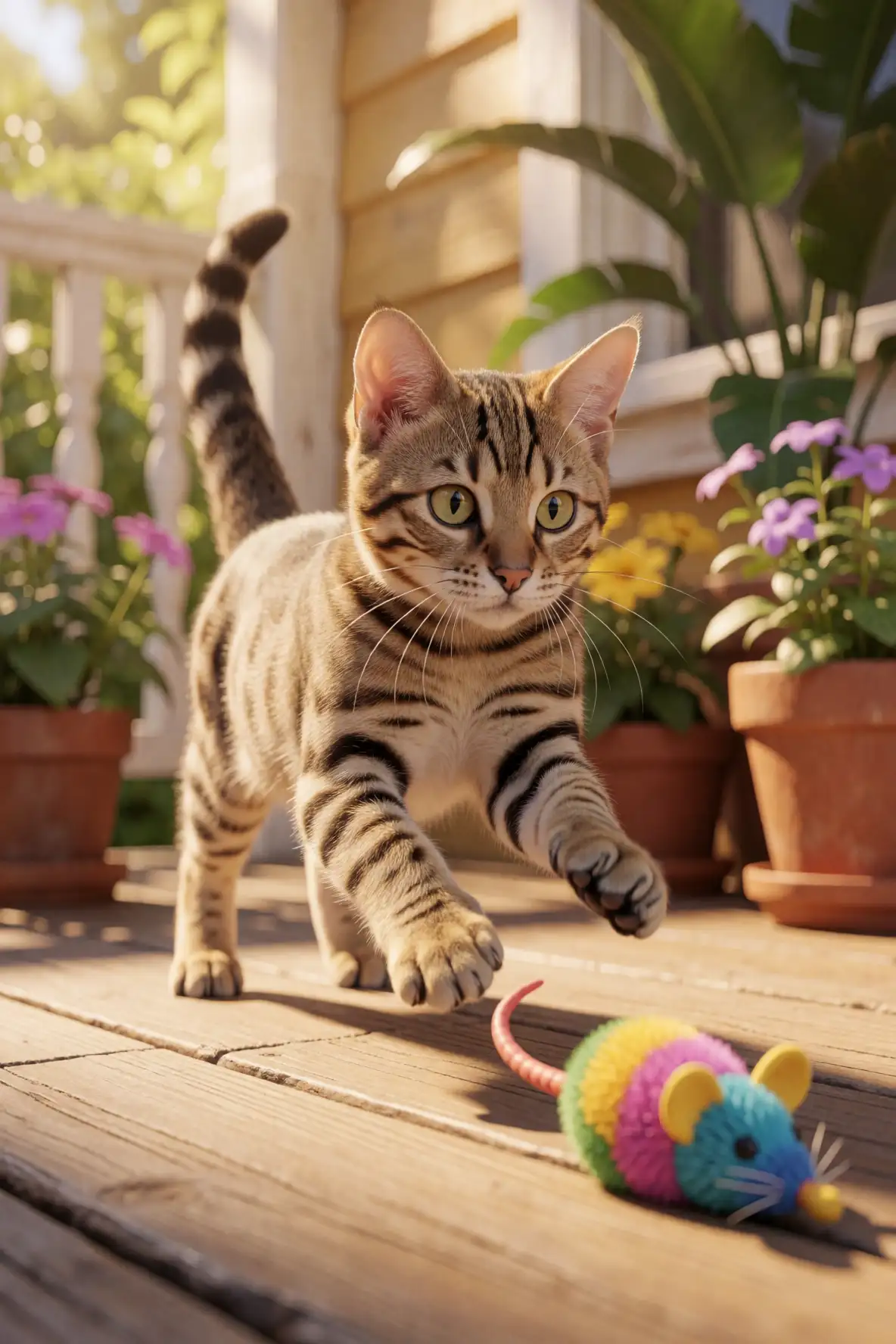
Bengal cats are medium to large in size, typically weighing between 8 to 15 pounds. They possess a long, muscular body and strong legs, allowing them to be agile and active. Their coat is short and dense, featuring unique markings that can be rosettes, spots, or marbling. The base color of their fur ranges from golden to rich brown, with a glossy sheen that adds to their distinctiveness.
Temperament and Personality
Bengal cats are known for their lively and playful nature. They are highly social and thrive on interaction with their human companions. This breed is also known for its intelligence; Bengals can learn tricks and commands, making them engaging pets. They enjoy climbing and exploring, so providing them with vertical spaces, like cat trees, can help satisfy their adventurous spirit.
Exercise Needs
With their high energy levels, Bengal cats require regular exercise to keep them healthy and happy. Daily playtime is essential, and engaging toys, such as feather wands or laser pointers, can help channel their energy. Bengals also enjoy interactive play with their owners, which strengthens the bond between pet and parent. It's important to keep them mentally stimulated, as boredom can lead to destructive behavior.
Health Considerations
Overall, Bengals are considered a healthy breed, but they can be prone to certain genetic conditions, such as hypertrophic cardiomyopathy (HCM) and certain eye disorders. Regular veterinary check-ups are crucial to monitor their health and catch any issues early. Feeding them a balanced diet rich in protein and low in carbohydrates will also support their overall well-being.
Grooming Requirements
Bengal cats have relatively low grooming needs due to their short coat. Regular brushing, about once a week, helps minimize shedding and keeps their fur healthy. Additionally, checking their ears and trimming their nails regularly is essential for maintaining their hygiene. Bengals are known for their love of water, so occasional baths can also be enjoyable for them.
Diet and Nutrition
A balanced diet is vital for the health of your Bengal cat. High-quality cat food that prioritizes protein is essential, as Bengals are naturally active and require energy. Consult your veterinarian to determine the best feeding schedule, typically two meals a day. Always ensure fresh water is available, as hydration is crucial, especially if they consume dry food.
Training a Bengal Cat
Training a Bengal cat can be a rewarding experience due to their intelligence. Start with basic commands and use positive reinforcement techniques, such as treats and praise, to encourage good behavior. Bengals respond well to clicker training, which can help reinforce their learning. Socialization from a young age is important to help them develop into well-rounded cats.
Choosing a Bengal Kitten
When looking for a Bengal kitten, it's essential to find a reputable breeder who prioritizes health and temperament. Ensure the breeder conducts health checks and provides proper documentation. Bengals are typically priced between $1,000 and $4,000, depending on their lineage and markings. Always visit the breeder's facility to ensure a clean and safe environment for the kittens.
Living with a Bengal Cat
Adopting a Bengal cat means welcoming a lively and curious companion into your home. They thrive in environments where they have plenty of space to explore and play. Creating a stimulating environment with toys, climbing structures, and interaction with family members is key to their happiness. Bengals can be great with families and other pets when properly introduced.
Common Misconceptions
Many people assume that Bengal cats are wild and difficult to manage due to their exotic appearance. However, with proper training and socialization, they can be affectionate and loyal pets. While they do have a playful and active personality, they are very much domesticated and can adapt well to home life.
Conclusion
Bengal cats are a unique and dynamic breed that can bring joy and excitement to any household. Their striking appearance and engaging personality make them a fantastic choice for active families or individuals looking for a playful companion. If you're interested in bringing a Bengal into your home, you can browse available kittens or breeders on CatHatch.
Frequently Asked Questions
Are Bengal cats good pets?
Yes, Bengal cats can be excellent pets for the right family. They are affectionate, social, and enjoy interacting with their owners. Their playful nature makes them great companions.
How much do Bengal cats cost?
Bengal cats typically range in price from $1,000 to $4,000 depending on their pedigree and markings. It's important to choose a reputable breeder to ensure you're getting a healthy kitten.
Do Bengal cats shed a lot?
Bengal cats have short coats and are considered to be low shedders. Regular grooming helps manage any loose fur and keeps their coat healthy.
Can Bengal cats be left alone?
While Bengal cats can be left alone for short periods, they thrive on companionship and interaction. It's best to have another pet or ensure they have plenty of engaging toys if left alone.
What is the lifespan of a Bengal cat?
The average lifespan of a Bengal cat ranges from 12 to 16 years, depending on their overall health and care. Regular veterinary check-ups can help ensure they live a long, healthy life.