Adopting a Balinese can cost far less than buying from a breeder, but finding one may take patience: this elegant, blue-eyed breed is less common in shelters than many domestic cats. Your best choice depends on your budget, timeline, and whether you need a known pedigree or are open to an adult cat or Balinese-type mix.
What to know about the Balinese
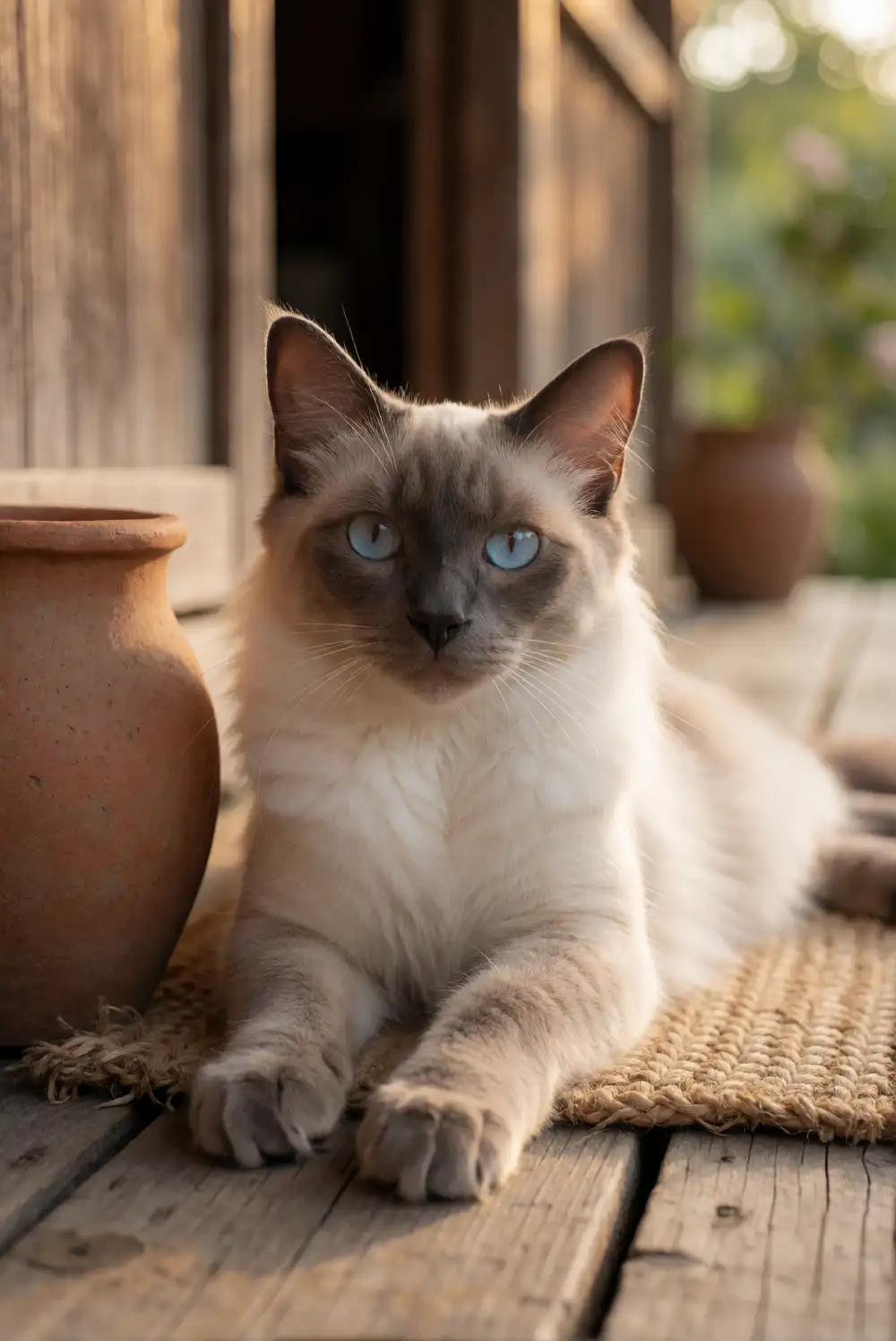
The Balinese is a longhaired Siamese-type cat with a slender, athletic body, large ears, vivid blue eyes, and a silky coat that usually has pointed coloring. Despite its flowing plume tail, its single coat tends to mat less than a dense double coat, though regular combing still helps prevent tangles. Balinese cats are often social, clever, and notably vocal; they generally want interaction rather than a home where they are left alone for long stretches.
These traits matter when comparing adoption and buying options. A kitten’s eventual personality is not guaranteed, even from a carefully planned litter, while an adult cat’s habits may already be clear. Either way, plan for daily play and company, and consider whether the breed’s frequent conversations suit your household.
Adopting a Balinese: pros and cons
Balinese cats occasionally appear through general shelters, Siamese or Oriental breed rescues, and foster networks. Listings may describe a cat as Balinese, longhaired Siamese, or a Siamese mix, so ask what is known about its background rather than relying on appearance alone. Breed-specific rescues can also help you find an adult whose energy level and social needs are a better match for your home.
Adoption is often the lower-cost route, and shelter or rescue fees commonly fall around $75–$500, depending on the organization and location. Fees may include spay or neuter surgery, vaccines, a microchip, or an initial health exam; confirm exactly what is covered. The trade-offs are limited availability, less certainty about pedigree or early health history, and potentially fewer opportunities to choose a very young kitten. Ask about the cat’s behavior with people and other pets, medical records, and any known separation or grooming needs.
Buying from an ethical Balinese breeder
A responsible breeder can provide pedigree documentation, information about the kitten’s parents, and a more predictable picture of early socialization. In the United States, a Balinese kitten from a reputable breeder may cost roughly $1,500–$3,500; location, lineage, breeder practices, and whether the kitten is intended for companionship or showing affect the price. A high price alone does not prove that a breeder is ethical.
Ask to see where kittens are raised, review veterinary records, and discuss health screening in the breeding lines. Balinese cats share some health considerations with Siamese relatives, so ask what the breeder’s veterinarian recommends and whether relevant conditions, including progressive retinal atrophy, have been addressed in the lines. A trustworthy breeder welcomes questions, uses a written contract, explains a return policy, and does not rush you into sending a deposit. Be cautious of sellers who will not verify the kitten’s living conditions or offer records.
Real Balinese costs beyond the adoption fee
Plan for supplies and initial care whichever route you choose. A carrier, litter setup, scratching surfaces, bowls, toys, and a grooming comb may total $250–$700, depending on what you already own and the quality of the items. Your first veterinary visit, vaccines, parasite prevention, or procedures not included in an adoption fee can add several hundred dollars. Ask for an itemized list before deciding; a low fee does not necessarily mean low first-month costs.
For routine ongoing care, budget approximately $800–$1,800 a year for food, litter, preventive care, and routine veterinary visits. Costs vary with food choice, local veterinary rates, insurance, and your cat’s health. The Balinese coat is not usually high-maintenance, but include a comb and occasional grooming costs if your cat needs help with tangles. Keep a separate emergency fund or consider pet insurance; neither adoption nor a breeder purchase eliminates the possibility of unexpected treatment expenses.
How to decide between adoption and buying
Choose adoption if you are flexible about age, willing to wait, and comfortable welcoming a cat whose pedigree may be uncertain. Ask rescue staff whether the cat has lived with children, dogs, or other cats, and whether it vocalizes or becomes distressed when alone. A foster-based rescue may be able to share useful observations from a home environment.
Buying may make sense if a documented pedigree and a kitten from a specific breed line are important to you, provided you can wait for a responsible breeder and afford the higher initial cost. You can browse available kittens or breeders on CatHatch while comparing records, health practices, contracts, and the support offered after the cat comes home. In either case, judge the match by the individual cat’s needs—not just its color or breed label.
Prepare for a Balinese at home
Set up a quiet introduction area, a sturdy scratching post, climbing spaces, and interactive toys before your cat arrives. Balinese cats often enjoy puzzle feeders and training games, which provide mental exercise alongside play. Schedule a veterinary check soon after adoption or purchase, bring all available records, and ask your veterinarian to set a preventive-care plan based on age and health history.
Frequently Asked Questions
Is it hard to find a Balinese cat for adoption?
It can be, because Balinese cats are less common in shelters than domestic shorthairs. Check breed rescues and foster networks as well as local shelters, and ask about Siamese or longhaired Siamese cats that may have a similar appearance.
How much does a Balinese cat cost?
Adoption fees are often about $75–$500, while a breeder kitten may cost around $1,500–$3,500 in the United States. Add supplies, veterinary care, food, and litter to estimate the total cost of ownership.
Are Balinese cats good for first-time owners?
They can suit first-time owners who have time for companionship, play, and regular grooming. Their intelligence and vocal nature may be challenging for someone seeking a quiet, independent cat.
Do Balinese cats need a lot of grooming?
Their silky, single coat generally needs less intensive grooming than a thick double coat, but weekly combing is a sensible routine. Check the tail and areas where tangles can form, and introduce grooming gently.
Should I adopt an adult Balinese or buy a kitten?
An adult cat may be a better fit if you value a more established personality and want to know its current habits. A kitten offers the chance to raise a young cat from an early age, but its adult temperament and care needs will still develop over time.