Abyssinian Cat Breed: The Complete Guide for 2026
Introduction to the Abyssinian Cat
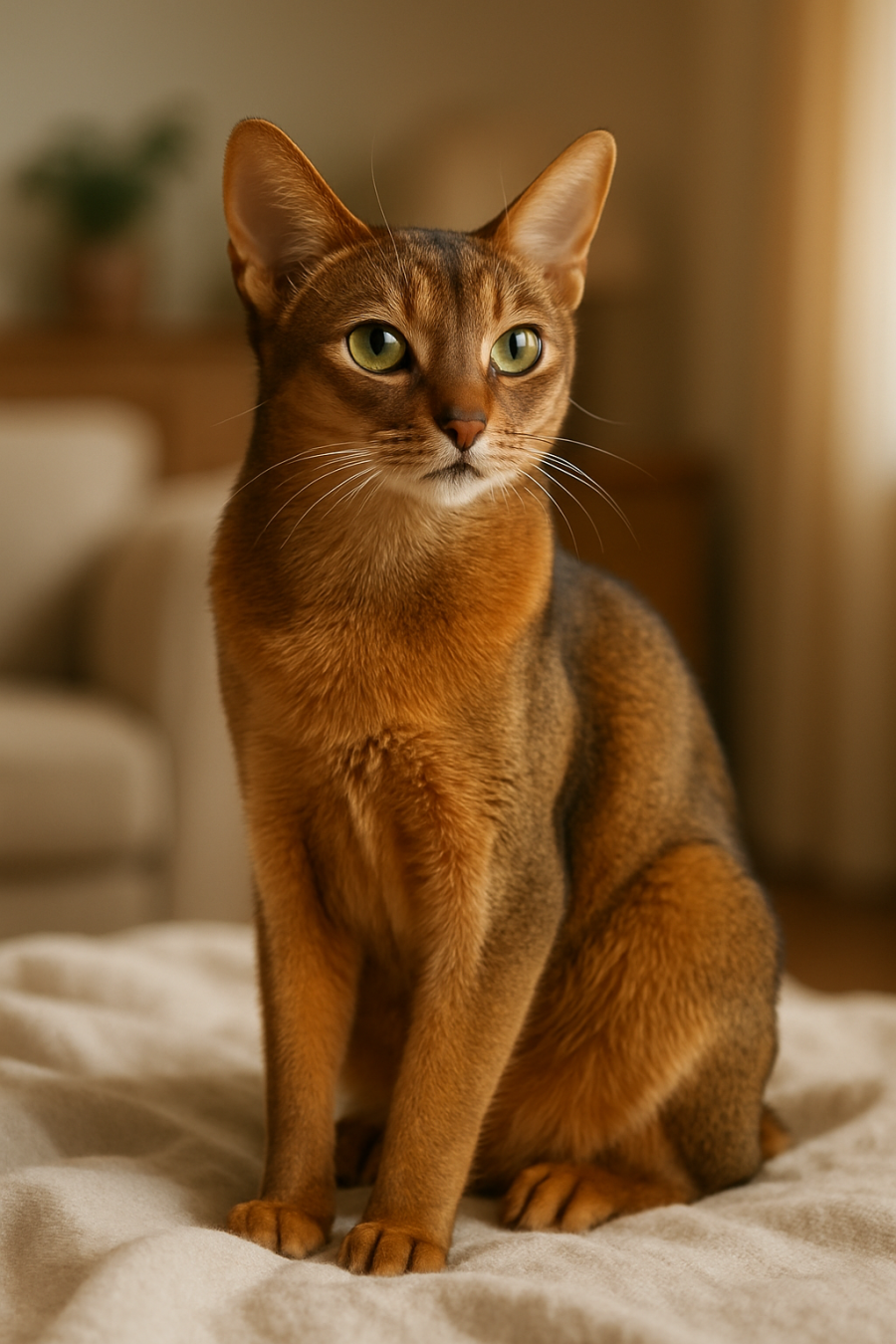
The Abyssinian cat is one of the most distinctive and beloved breeds, known for its unique ticked coat and playful personality. With their warm, golden-brown fur and striking almond-shaped eyes, Abyssinians are not only beautiful but also deeply engaging companions. Originating from Ethiopia, these cats have a rich history and have become popular pets worldwide.
Abyssinians are medium-sized cats, typically weighing between 8 to 12 pounds. They have a slender build with long legs and a graceful posture. Their coat is short, soft, and comes in several colors, with the ruddy shade being the most common. They are known for their intelligence and high energy levels, making them a joy to have in the home.
Temperament of the Abyssinian
The Abyssinian cat is famous for its curious and playful nature. These cats are sociable and thrive on interaction with their humans. They require mental stimulation and enjoy playtime, making interactive toys and games essential for their happiness. Unlike some other breeds, Abyssinians are not typically lap cats but will often follow their owners around, eager to be involved in daily activities.
They are also known for their affectionate demeanor. Abyssinians often form strong bonds with their families and can be quite vocal, using chirps and trills to communicate. Their playful antics can provide endless entertainment, and they adapt well to homes with children and other pets.
Health Considerations
While Abyssinians are generally healthy cats, they can be prone to certain genetic health issues. One common concern is gingivitis, which can affect their oral health. Regular dental care is important to prevent this issue from escalating. Additionally, Abyssinians may be at risk for certain hereditary conditions such as pyruvate kinase deficiency (PKD), which affects red blood cell function.
To ensure your Abyssinian remains healthy, routine veterinary check-ups, a balanced diet, and regular exercise are vital. Keeping an eye on their weight is also important, as these cats can gain weight easily if not properly managed.
Grooming Requirements
The grooming needs of the Abyssinian are relatively low compared to other breeds with longer coats. Their short hair requires minimal brushing, typically once a week, to remove loose fur and reduce shedding. This grooming routine also helps to keep their coat looking sleek and shiny.
Bathing should only be done as necessary, as excessive washing can strip the natural oils from their coat. Regular nail trimming and dental care are also important components of their grooming routine to maintain overall health.
Feeding Your Abyssinian
Abyssinians have a high metabolism due to their active nature, so choosing the right diet is crucial. High-quality cat food that is rich in protein will support their energy levels and keep them healthy. Look for foods that list meat as the primary ingredient and avoid fillers like corn and soy.
It's important to measure their food portions carefully to prevent obesity. Offering a mix of dry and wet food can help with hydration and provide variety in their diet. Always consult with your veterinarian for personalized feeding recommendations based on your Abyssinian's age, weight, and activity level.
Training Your Abyssinian
Abyssinians are smart and eager to learn, making them relatively easy to train. Early socialization and training are crucial, as these cats can develop strong personalities. Begin with basic commands and gradually introduce more complex tricks as your cat becomes more comfortable with training.
Positive reinforcement, such as treats and praise, works best for teaching Abyssinians new behaviors. Consistency and patience are key, as these cats respond well to structured training sessions. They can also be trained to use a litter box easily and may even learn to walk on a leash if introduced properly.
Creating a Cat-Friendly Environment
To keep your Abyssinian happy and healthy, it’s essential to create an enriching environment. Providing plenty of climbing spaces, scratching posts, and toys will satisfy their need for physical activity and mental stimulation. Cat trees and shelves can offer great vantage points for them to observe their surroundings.
Interactive toys, puzzle feeders, and regular playtime with their humans will keep their minds sharp and prevent boredom. Ensuring a safe outdoor space, if possible, can also enhance their quality of life, giving them the chance to explore and play.
Where to Find Abyssinian Kittens
If you’re looking to add an Abyssinian kitten to your family, it’s important to find a reputable breeder who prioritizes the health and well-being of their cats. Ethical breeders will provide health clearances and be willing to answer any questions about the breed.
CatHatch is a great resource for browsing available Abyssinian kittens and connecting with trusted breeders. Be sure to ask about the kitten's upbringing and socialization experiences, as these factors greatly influence their temperament as adults.
Price Range for Abyssinians
When considering the cost of an Abyssinian cat, you can expect to pay between $1,500 to $3,000, depending on the breeder, location, and lineage. Prices can vary significantly based on breeding standards and the health certifications provided.
While the initial cost may seem high, investing in a healthy kitten from a reputable source can save you money in the long run, as they are less likely to develop hereditary health issues. Be prepared for the ongoing costs of cat care, including food, veterinary visits, and grooming supplies.
Abyssinians and Children
Abyssinians generally get along well with children, making them a suitable choice for families. Their playful and energetic nature means that they can keep up with active kids and enjoy interactive play. However, it's important to teach children how to handle cats gently and respectfully to ensure a harmonious relationship.
Supervision is key, especially with younger children, to prevent any rough play that could stress the cat. With proper introductions and supervision, Abyssinians can become beloved companions to children, often forming strong bonds with their young owners.
Abyssinians with Other Pets
Abyssinians can coexist peacefully with other pets, including dogs and other cats, as long as proper introductions are made. Their sociable nature often helps them adapt to living with other animals. Early socialization is crucial, as it helps them develop positive interactions with their housemates.
Monitor their interactions, especially during the first few weeks, to ensure everyone feels comfortable. Providing separate spaces and resources for each pet can help reduce competition and stress in the household.
Frequently Asked Questions
What is the lifespan of an Abyssinian cat?
Abyssinians typically live between 12 to 15 years, with some living even longer with proper care. Regular veterinary check-ups and a healthy diet are crucial for longevity.
Are Abyssinian cats hypoallergenic?
While no cat is truly hypoallergenic, Abyssinians are known to produce fewer allergens compared to other breeds. Their short coat may also contribute to reduced dander and shedding.
What colors do Abyssinian cats come in?
Abyssinians come in several colors, including ruddy, red, blue, and fawn. The ruddy color is the most recognized and popular among enthusiasts.
Do Abyssinians get along with dogs?
Abyssinians can get along well with dogs, especially if they are socialized together from a young age. Their playful personality often appeals to dogs who enjoy active play.
How much exercise do Abyssinians need?
Abyssinians are active cats that require daily exercise. Engaging them in play with toys, climbing structures, and interactive games will help meet their physical needs.
Ready to Find Your Kitten?
Browse available kittens from verified breeders across the USA.